
Recent Posts

How to Transport a Kayak (Without the Stress)


loading kayak on car roof rack for transport

The kayak looked secure. Straps felt tight. Everything seemed fine.

Then you hit 50 miles per hour and suddenly there’s a sound from the roof that makes your stomach drop.

That little wobble? That humming noise? Yeah, this is where people start gripping the steering wheel and wondering if the kayak is about to become someone else’s highway problem.

Happens more than you’d think.

First thing I wish every kayak owner knew? Transporting the kayak is often harder than paddling it. Not because it’s complicated. Because small mistakes turn into big headaches fast.

The #1 Reason Kayaks Shift During Transport

Most loading problems come down to one thing:

Loose tie-down technique.

Not weak straps. Not bad luck.

Bad technique.

People pull straps tight and think they’re done. But tight doesn’t always mean secure.

Here’s the real test:

Grab the kayak near the middle and shake it firmly.

The whole car should move a little.

The kayak itself shouldn’t.

If the boat wiggles separately from the vehicle, something is wrong.

This is the part everyone misses.

kayak strapped on truck bed secured for transport

Roof Rack vs Bare Roof: One Choice Makes Life Much Easier

You can technically transport a kayak without a roof rack.

Would I recommend it? Only if you absolutely have to.

Here’s the difference:

MethodStabilityDifficultyBest For
Roof Rack CrossbarsHighEasyRegular kayaking
Foam Blocks on RoofMediumMediumOccasional transport
Truck BedHighEasyPickup owners
Small TrailerVery HighEasyMultiple kayaks

Crossbars make everything easier with an inflatable kayak — Loading, strapping, stability, peace of mind.

Foam blocks work. But they shift. Especially in wind.

And wind is where things get interesting.
car roof rack crossbars loaded for kayak transport

Why Highway Driving Feels Terrifying the First Time

Because your brain keeps thinking:

“Is that thing moving?”

Sometimes it is.

But often, what people hear is wind vibration.

Here’s the quick check:

Pull over after the first 10–15 minutes of driving.
Touch every strap.

Not glance. Touch.

Straps loosen slightly after movement. Happens all the time.

Especially when:

  • Weather changes
  • Rain hits
  • Temperatures shift
  • Wet straps dry out

Small adjustment. Big difference.

Loading a Kayak Alone Without Throwing Out Your Back

This frustrates a lot of people.

The kayak feels awkward. Too long. Hard to balance.

And suddenly loading becomes the worst part of the trip.

Here’s what works.

The Towel Trick Most People Discover Too Late

Put a thick towel or loading mat on the back of your car roof.

Lift the front of the kayak first.

Rest it on the towel.

Then move to the rear and slide it forward instead of lifting the whole thing.

Way less strain.

Your shoulders will thank you later.

Especially with fishing kayaks. Those things get heavy fast.

solo loading kayak on car roof alone without help

The Strap Mistake That Creates Weird Highway Noise

Ever hear humming or vibration while driving?

Usually this.

Loose strap ends flapping in the wind.

Simple fix:

Twist the straps once before tightening.

That small twist disrupts airflow and kills the buzzing sound.

Weird little trick. Works ridiculously well.

Bow and Stern Lines: Do You Actually Need Them?

Short answer?

Sometimes.

For smaller kayaks on local roads, probably not.

But longer kayaks or highway travel?

Use front and rear tie-down lines.

They stop front-to-back movement during:

  • Hard braking
  • Sudden wind gusts
  • Emergency turns

Think of them like backup insurance.

You hope you don’t need them.

Still glad they’re there.

kayak straps and tie down lines secured on car roof rack

When Your Car Feels “Weird” After Loading

You know the feeling.

Steering feels lighter.

Braking feels slightly off.

Car sounds different.

What’s happening?

Usually one of these:

  • Weight positioned unevenly
  • Kayak sitting crooked
  • Too much gear loaded on one side
  • Wind resistance affecting handling

Don’t ignore that feeling.

Cars talk to you. Just not with words.

If driving suddenly feels strange, pull over and check.

Soft Rack or J-Cradles? Here’s the Honest Difference

SetupBest ForBiggest Problem
Soft RackBudget setupLess stable
J-CradlesSide loadingSlight wind drag
Saddle MountsMaximum supportMore expensive

Most beginners do perfectly fine with soft racks.

Frequent kayakers usually move to J-cradles pretty quickly.

Why?

Less hassle.

And less roof wrestling.

The Weirdest Thing I’ve Seen Go Wrong

Guy loaded a kayak perfectly.

Straps looked great.

Everything solid.

Problem?

He forgot to remove the cockpit cover.

Highway wind turned it into a parachute.

Destroyed the cover halfway through the drive.

Little stuff matters.

Always do a quick walk-around before leaving.

Thirty seconds saves hours.

Quick Pre-Drive Check (Don’t Skip This)

Before the wheels move:

  • Push the kayak side to side
  • Check strap tightness
  • Secure loose strap ends
  • Test front and rear tie-downs
  • Make sure nothing blocks mirrors
  • Double-check roof rack locks

Simple checklist.

Zero drama later.

kayak loaded on truck checking straps before driving

Why Loading Gets Easier Fast

First trip feels stressful.

Second trip feels awkward.

By the fourth or fifth?

You’ll load the kayak without even thinking about it.

That nervous feeling disappears once the process becomes muscle memory.

And then something funny happens.

Transport stops being the annoying part.

It becomes the thing standing between you and water.

That’s it.

Load it right. Strap it tight. Drive without worrying.

FAQs

Can I transport a kayak without a roof rack?

Yes. Foam blocks or soft racks work for occasional trips, but a roof rack is much more stable.

How tight should kayak straps be?

Tight enough that the kayak doesn’t move independently from the car. Don’t over-tighten to the point of deforming the hull.

Do I need bow and stern tie-downs?

For highway driving or longer kayaks, yes. They add extra stability and safety.

Why is my kayak making noise on the highway?

Usually loose straps vibrating in the wind. Twist the straps once before tightening.

Can one person load a kayak alone?

Yes. Use the towel-slide method or a loading assist to avoid straining your back.

Why does my car feel unstable with a kayak on top?

Uneven weight, poor positioning, or wind resistance are usually the reason. Pull over and recheck the setup if something feels off.

Kayak Trolling Motor Setup


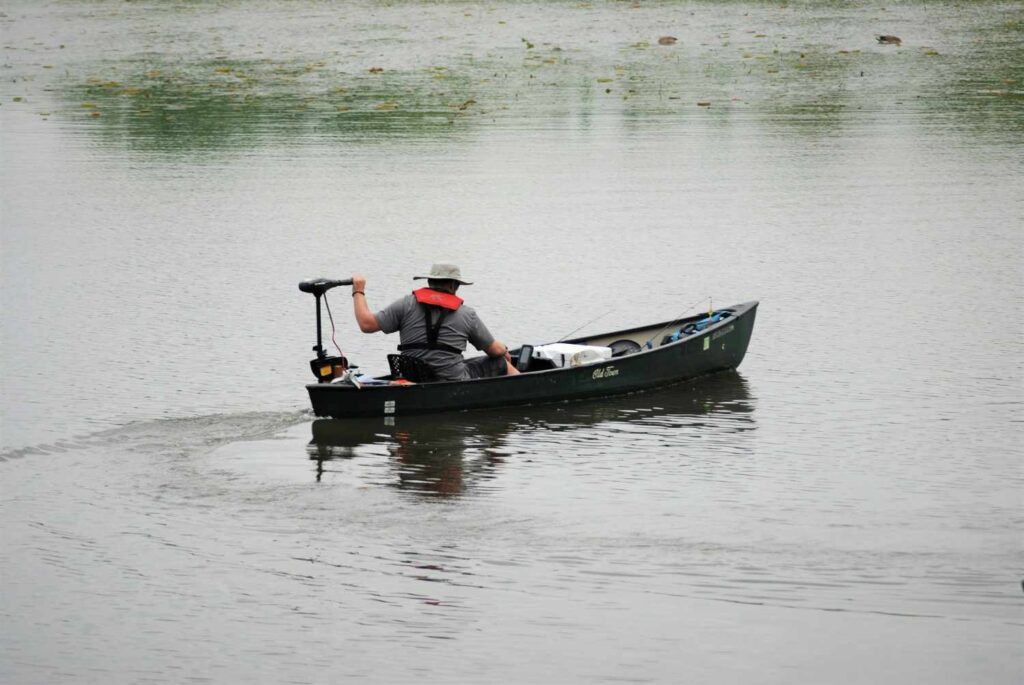
fishing kayak with trolling motor setup on calm lake

Yeah, I’ve seen this setup go wrong in every possible way.
Loose mounts, spinning kayaks, dead batteries in 40 minutes… same story again and again.

And honestly? Most people think the motor is the problem. It’s not.

The #1 Thing That Breaks Everything

Balance, not power

You can throw the best trolling motor on a kayak and it’ll still behave like trash if weight distribution is off.

Here’s what it looks like in real life:

  • kayak keeps turning left or right
  • feels “floaty” in the back
  • nose keeps lifting when you accelerate

That’s not a motor issue. That’s battery placement error

Battery goes:

  • dead center
  • as low as physically possible
  • strapped like your life depends on it

Even 3–4 inches off center can start that slow drift nobody understands.

solo kayaker on calm water with balanced kayak setup

Motor Size Mistake Everyone Makes

More thrust doesn’t fix a bad setup

People overbuy thinking it’ll solve control issues.

Reality:

  • 30–55 lb thrust → normal kayak setups (calm water, lakes)
  • 55–70 lb → wind, current, light load fishing gear
  • 100 lb+ → overkill, starts fighting the kayak itself

And here’s the weird part nobody tells you:

Too much power makes steering worse, not better.

Why?
Because kayak hulls are light. They don’t “absorb” torque like a boat.

Shaft Depth Problem (The Silent Killer)

This one shows up after everything is already mounted.

If your prop is:

  • half out of water → you’ll hear cavitation (that annoying choppy sound)
  • too deep → drag feels like someone is holding your kayak back

Correct setup:
prop fully submerged, but not scraping bottom in turns

You want clean water flow, not turbulence.

Trust me on this — I’ve seen people change motors before fixing shaft depth.

Mounting Position (Where Control Is Born)

Most kayak mounts fall into 3 real categories:

Rear mount

  • easiest setup
  • beginner friendly
  • stable in calm water

Side mount

  • useful in narrow kayaks
  • but you’ll fight slight drift all day

Bow mount

  • best tracking
  • more complex installation

But here’s the rule that overrides everything:

Motor must sit perfectly on the kayak’s centerline

Even a small angle creates this slow “circle drift” that drives people crazy.

And they usually blame current. It’s not current.

kayak hull aerial view centerline for motor mounting position

Battery Setup (Where Most Setups Fail Quietly)

Car battery in a kayak? I’ve seen it. It ends badly.

You want:

  • deep cycle marine battery
  • 12V system
  • 50Ah–100Ah range depending on usage time

Placement matters more than capacity when setting up your battery.

Put it:

  • center line
  • low floor position
  • tightly strapped (no movement at all)

Loose battery = slow instability
You won’t notice it immediately. It builds over time.

Wiring (Small Detail, Big Fire Risk)

Simple chain:

Battery → fuse → switch → motor

And don’t skip fuse. That’s not optional.

Real-world failure I’ve seen:

  • twisted wire joints
  • tape insulation only
  • no waterproof sealing

Then one fishing trip later… corrosion starts and power drops randomly.

Use proper connectors. Heat shrink tubing. Waterproof joints.

This is the part everyone regrets ignoring.

kayak setup adjustment check before water launch

“Why Is My Kayak Turning One Side?”

This comes up constantly.

Check in this order:

  • motor alignment 
  • battery placement 
  • prop blockage (fishing line wrapped around shaft) 

One of these is always guilty.

And no, it’s rarely the motor itself.

Quick field test:
Lift motor, paddle kayak straight manually.
If it still drifts → setup issue, not motor issue.

First Water Test (Don’t Rush This)

People ruin their own setup here.

Don’t start full throttle.

Do this:

  • low speed first
  • check straight tracking
  • then increase gradually
  • test turning left and right

If it “fish tails” → weight issue
If it “pulls side” → alignment issue

Simple pattern every time.

two kayakers paddling straight on calm water first water test

The Weird Problem Nobody Talks About

Wind against current.

This combination makes kayak feel stuck.

Motor running fine, battery fine… but movement feels weak.

Fix:

  • angle slightly into wind
  • shift weight a bit forward
  • avoid full throttle fight mode

You don’t overpower this. You adjust it.

Maintenance (Where Setups Slowly Die)

After every trip:

  • clean prop
  • remove fishing line
  • disconnect battery
  • rinse if saltwater

Most “motor problems” are actually neglect problems that built up quietly.

kayaker checking kayak gear maintenance on calm water

FAQ

Why does my kayak feel unstable after motor install?

Battery placement or uneven weight. Almost always that.

How long does battery last?

50Ah gives roughly 4–6 hours depending on throttle use.

Do I need a rudder?

Not required, but in wind it makes transporting your kayak easier.

Why does power drop randomly?

Usually wiring loss or low battery voltage under load.

Final Reality Check

Kayak trolling motor setup isn’t a bolt-on upgrade. It’s a balance system when properly set up.

Once motor alignment, battery position, and thrust all line up properly… the kayak stops fighting you.

It just moves. Smooth. Controlled. Done.

kayak bow view on calm crystal clear water smooth controlled setup

Getting Into a Kayak Without Looking Like You’re Fighting It


orange kayak on rocky shore ready to enter water

Yeah… this is the moment nobody warns you about.

You’ve got the kayak sitting there. Water’s calm. Everything looks easy from the shore. Then you try to get in and suddenly it feels like the thing is actively trying to flip you into the water.

Happens to everyone. First time I saw it, a guy stepped in too fast, shifted weight wrong, and the kayak just rolled like it had a personal grudge.

Let’s fix that.

The #1 Reason People Fall While Getting In

Most of the chaos comes from one thing: unstable kayak contact with the ground or dock.

If the kayak is floating freely or half-supported, it’s already unstable before you even step in.

What you want:

  • Kayak half in water, half supported 
  • Either shallow shore OR steady dock edge
  • No drifting

Here’s the simple truth:
If the kayak moves before you sit, you’re already behind.

kayak on river bank shore entry point calm water

Shore Entry: The Cleanest Beginner Method

This is the one I always tell people to start with kayak accessories — No drama.

What you need:

  • Knee-deep shallow water
  • Calm surface (no waves, no boat wake)
  • Paddle already inside reach

Now the move:

  • Stand beside the kayak, not behind it
  • Hold the cockpit rim with both hands 
  • Place your closest foot into the center floor first 
  • Lower yourself slowly—don’t “step,” just transfer weight
  • Slide second leg in and sit immediately

Here’s the part people mess up:
They try to “jump” into sitting position. Don’t.

Think of it like sitting in a low chair that might tip if you rush it.

Slow equals stable.

multiple kayaks on calm beach shore ready for entry

Dock Entry: Trickier, But Totally Controlled

Dock gives you height advantage, but also panic risk.

What works best:

  • Kayak parallel to dock edge
  • Paddle floating or secured across kayak
  • Seat already adjusted

Now do this:

  • Sit on dock first, legs hanging over kayak
  • Grip both sides of cockpit firmly
  • Lower yourself in one smooth motion
  • Keep your center of gravity low immediately 

If the kayak starts drifting, pause. Pull it back with your hands first.

And yeah—this is where most people hesitate too long and overthink it. That hesitation creates wobble.

two red kayaks on wooden dock lake ready for entry

The Silent Killer: Wrong Foot Placement

This one is sneaky.

People either:

  • Put both feet in too fast
  • Or place weight too far forward/back

What you actually want:

  • First foot center floor of kayak 
  • Second foot follows immediately
  • No standing inside kayak (ever, unless you know what you’re doing)

Think of the kayak like a narrow floating spine. You step off-center, it reacts instantly.

Why Kayaks Feel “Wobbly” at First

Here’s what’s actually going on:

A kayak isn’t unstable… it’s just reacting to sudden weight shifts.

So when you:

  • Hesitate mid-step
  • Lean sideways
  • Push down too hard on one side

It amplifies that movement.

First 10 seconds matter most. After you’re seated, it calms down fast.

Fix It In 20 Seconds: Stabilize Before Entry

Before you even step in, do this quick check:

  • Push kayak lightly → does it drift too easily?
  • Is it rotating in water? (bad positioning)
  • Are both sides evenly floating?

If it’s unstable:
Adjust position before entry, not during.

Trust me, trying to fix it while stepping in is where most accidents happen.

When You’re Alone (The Real-World Problem)

Nobody talks about this part enough.

No one holding your kayak = more movement.

Here’s what works:

  • Use paddle as a temporary stabilizer (press one blade on ground or dock edge)
  • Or tie a short rope to dock if available
  • Enter faster, but controlled—don’t overthink mid-motion

Slow is good… until slow becomes hesitation. Then it backfires.

kayak half in water on shore solo entry position calm water

Table: Best Entry Methods Compared

MethodStabilityDifficultyBest For
Shore EntryHighEasyBeginners
Dock EntryMediumMediumLakes, rentals
Solo Water EntryLow–MediumHardExperienced users

Pick based on your environment, not ego.

aerial view of two kayaks on beach shore near water

The Thing Nobody Tells You Early

You don’t “get into a kayak.”

You settle into it like it’s already slightly unstable furniture.

Once you accept that, everything changes:

  • You move slower
  • You stop fighting the balance
  • You trust the seat, not your legs

And suddenly… it stops feeling scary.

Quick Mental Trick That Helps Immediately

Before stepping in, think:

“I’m not stepping into water. I’m lowering into balance.”

Sounds small, but it changes how your body behaves. Less panic movement. More control.

FAQs

Why does my kayak tip when I try to get in?

Because your weight is shifting too fast before the kayak is stabilized. Slow transfer fixes it.

Should I enter from shore or dock?

Shore is easier for beginners. Dock gives more height but requires better control.

Can I stand inside a kayak?

Technically yes in some models, but for entry? Never. That’s where most flips happen.

What if the kayak keeps drifting away?

Hold it with one hand or use your paddle as a temporary anchor before stepping in,then transport your kayak properly.

Do I need someone to hold the kayak for me?

Not necessary, but helpful for first few tries. After that, you should manage solo entry.

Once you get this right once or twice, it stops being a “skill” and becomes automatic. No drama. No wobble. Just step, settle, paddle.

Kayak Accessories: What Actually Matters


kayak paddle on calm water at sunset

You ever get that feeling where you’re standing there with a kayak and thinking, “Okay… now what do I actually need so I don’t end up struggling halfway through the water?”

Yeah. That’s the real starting point most people don’t talk about.

First time I saw someone properly set up a kayak, they had spent more money on random accessories than on the kayak itself. Half of it never even got used. The other half? Wrong fit, wrong purpose, or just plain annoying in real conditions.

Let’s fix that.

The #1 Mistake People Make With Kayak Accessories

Most beginners think more gear = better experience.

Wrong.

What actually happens is:

  • Too many attachments slow you down
  • Cheap gear fails at the worst moment
  • Overpacking makes the kayak unstable
  • You spend more time adjusting stuff than paddling

Here’s the truth nobody tells you:

A kayak works best when it’s simple, balanced, and purpose-driven.

Everything else is optional.

kayak setup with dry bag and life jacket on water

Paddle: Your Real Engine (Don’t Cheap Out Here)

If there’s one thing you get right, it’s this.

A bad paddle will ruin your whole trip. You’ll feel it in your shoulders within 20 minutes.

What you actually want:

  • Lightweight shaft (aluminum or fiberglass) 
  • Adjustable length if possible
  • Blades that aren’t too wide (unless you want short power bursts only)

Here’s something people mess up:
They buy a heavy paddle thinking it’s “stronger.”

It’s not strength you need. It’s endurance.

kayak paddling with life jacket and paddle on calm river

Life Jacket (PFD): The Thing You Hope You Never Notice

This isn’t optional, even if you’re “just going close by.”

But here’s the real issue:
Most people wear it wrong or buy the wrong style.

What works:

  • Snug fit, not loose 
  • High back design if you sit in a kayak seat
  • Enough arm mobility for paddling

If you feel like it’s annoying on land, that’s fine. On water, you’ll forget it’s there—if it’s the right one.

If you don’t forget it, it’s wrong.

kayak life jacket PFD proper fit on water

Dry Bag: Where People Either Get It Right or Lose Everything

I’ve seen phones, wallets, keys… gone because someone trusted a “water-resistant pouch.”

That word—water-resistant—is where things go wrong.

You want:

  • Fully waterproof dry bag (roll-top seal) 
  • Separate small pouch for phone
  • One bigger bag for clothes/snacks

Simple trick:
Before every trip, close it, push air out, roll it tight, then press it under water for 10 seconds at home.

If bubbles come out? Don’t take it.

kayak dry bag packing on beach before trip

Kayak Seat Comfort: The Hidden Dealbreaker

Nobody thinks about this until their back starts hurting.

Cheap kayaks or basic seats can make long trips miserable.

  • Flatten your lower back
  • Force weird posture
  • Make long trips miserable

Better setup:

  • Cushioned back support 
  • Adjustable straps (not fixed plastic)
  • Slight elevation for airflow

You don’t need luxury. You need “I can sit here for 2–3 hours without thinking about my spine.”

kayak seat comfort view aerial shot on beach

Paddle Leash: The Small Thing That Saves Big Problems

Ever dropped a paddle in water?

Yeah. That sinking feeling is real.

A paddle leash:

  • Clips paddle to kayak
  • Prevents drift-away disasters
  • Costs almost nothing

And yet most beginners skip it.

This is one of those “you only forget it once” accessories.

Rod Holders (If You’re Fishing)

Fishing from a kayak changes everything.

But don’t overdo it.

What actually works:

  • 1–2 rod holders max 
  • Adjustable angle
  • Mounted behind seat or side rails

Too many rods = tangled lines + frustration.

Storage Bungee System: Don’t Ignore This

That elastic webbing on top of kayaks? It’s not decoration.

Use it for:

  • Dry bag
  • Light jacket
  • Emergency kit

But here’s the catch:
If you overload it, things bounce off in waves.

Rule of thumb:
If it’s not secured properly, it doesn’t belong on top.

Safety Kit (The Stuff Nobody Wants to Think About)

You don’t need a full survival backpack.

But you do need basics:

  • Whistle (loud, simple, lifesaving)
  • Small flashlight or headlamp
  • Basic rope (few meters)
  • First aid mini kit

Most people only realize this matters when visibility drops or wind picks up.

outdoor safety kit with whistle flashlight rope and compass for kayaking

Quick Comparison: Essential vs Optional Gear

Essential GearOptional Gear
PaddleCamera mounts
Life jacketCup holders
Dry bagLED lights
WhistleExtra rod holders
Seat supportDecorative gear

If you’re just starting, stick to the left column. That alone makes you 80% ready.

The Quiet Truth About Kayak Setup

Here’s what experience teaches you after years on water:

You don’t win kayaking with gear.

You win it by removing problems before they start.

Every extra strap, mount, or gadget should answer one question:
Does this make my time on water simpler or more complicated?

If it’s not simpler, it doesn’t belong.

FAQs

What is the most important kayak accessory?

A proper life jacket (PFD). Everything else is secondary to safety.

Do I really need a dry bag?

Yes. Regular bags will eventually fail, even if “water-resistant.”

Can I kayak without a paddle leash?

You can, but you’re risking losing your paddle in wind or currents. Not worth it.

How many accessories are too many?

If you’re constantly adjusting gear instead of paddling, you’ve gone too far.

What’s the best beginner setup?

Paddle + life jacket + dry bag + basic seat support. That’s enough to start safely.

If you set it up like this, you stop fighting your kayak and start actually enjoying it.

How to Store a Kayak (Without Damaging It Later)


You know what usually happens? Someone buys a kayak, uses it a few weekends… then just leaves it leaning against a wall, half in the sun, half on the ground.

And months later—boom. Bent hull. Warped shape. Faded plastic. Or worse, cracks that show up right when the season starts again.

I’ve seen this more times than I can count. Same story, different garage.

Let’s fix it properly so you don’t end up there.

The #1 Thing People Get Wrong

They store the kayak on its hull for long periods.

That’s it. That’s the silent killer.

A kayak is not designed to carry its own weight on a flat surface for months. The pressure slowly deforms it. You don’t notice it happening… until it suddenly doesn’t track straight in the water anymore.

Think of it like leaving a soft plastic bottle full of water under a heavy box. It’ll “remember” that shape.

Multiple kayaks stored flat on ground near a river

First Decision: Indoors or Outdoors?

This is where everything starts.

Storage TypeWhat Happens Over TimeRisk Level
Indoors (garage, room, shed)Stable, minimal damageLow
Outdoors (yard, balcony)UV + heat + dust damageHigh

“If you can store it indoors, do it—especially if you regularly transport a kayak. No debate.“

If you must keep it outside, you’re already playing defense. You’ll need extra protection later.

Kayaks stored on indoor wooden rack near a window

The Correct Way to Position Your Kayak

This is where most people finally fix their mistake.

You’ve got three safe options:

On its side (best all-round method)

Support it evenly on padded points.

  • Lean it gently against a wall
  • Use foam pads, old towels, or dedicated kayak cradles
  • Don’t let one sharp edge take all the weight

This spreads pressure and keeps the hull shape intact.

Multiple colorful kayaks stacked on indoor storage shelves

On a suspension system (best long-term)

Hang it using straps—not hooks.

  • Wide straps under the hull
  • Ceiling joists or wall mounts
  • Balance is everything

If you use rope or thin straps, you’ll create pressure dents. Seen it happen. Always.

Upside down (good for short-term storage)

Rest it cockpit-down on padded supports.

  • Two foam blocks under the edges
  • Nothing pressing into the cockpit rim

This is great if you’re rotating gear or storing it for a few weeks.

Two kayaks stored upside down on sandy beach near water

What NOT to Do (This Saves Most Kayaks)

Let’s make this simple.

  • Don’t leave it flat on concrete 
  • Don’t rest it on sharp edges (pipes, rails, bricks) 
  • Don’t hang it from grab handles 
  • Don’t leave an inflatable kayak in direct sunlight long-term

That last one? People ignore it constantly. UV doesn’t just fade color—it weakens the plastic structure over time.

The Clean Before Storage (People Skip This and Regret It)

You’d be surprised how many “storage problems” are actually “dirty kayak problems.”

Rinse it properly:

  • Fresh water rinse after every saltwater use
  • Remove sand from cockpit edges using the right kayak accessories
  • Dry it completely before storing

Moisture trapped inside = mold + smell + slow material damage.

And yeah… I’ve opened stored kayaks that smelled like a swamp. Not fun.

Colorful kayaks lined up on beach near water after use

Outdoor Storage Reality (If You Have No Choice)

Alright. Sometimes you don’t have a garage. Happens.

Then you protect it like this:

  • UV-resistant tarp (not a thin plastic sheet)
  • Slight elevation off the ground
  • Ventilation gaps so moisture doesn’t trap inside
  • Straps instead of direct contact with rope or metal

Here’s the part people miss:
Covering it tightly with no airflow is worse than light exposure.

You’re basically building a humid oven.

Colorful kayaks stored on outdoor wooden rack near beach at sunset

The Weird Edge Case Nobody Talks About

Ever seen a kayak stored near a window for months?

Sunlight hits only one side.

That side ages faster. Gets brittle first. Slight warping starts.

Then people think “bad quality kayak.”

Nope. It’s just uneven exposure.

Rotate it every few weeks if light is uneven. Simple fix.

How to Know If Yours Is Already Damaged

Quick checks:

  • Does it rock when placed on a flat surface?
  • Do you see “flat spots” on the hull?
  • Does it pull slightly to one side in water?

If yes, it’s likely storage deformation—not usage damage.

Small warps can sometimes settle back if you correct storage early. Long-term bends? Usually permanent.

The Simple Setup That Just Works

If you want the safest no-thinking setup:

  • Indoors storage
  • Foam padding at two contact points
  • Slight side angle (not flat)
  • Clean + dry before storage
  • Covered loosely to block dust

That’s it. No fancy racks needed.

FAQ

Can I store a kayak standing upright?

Yes, but only for short periods. Long-term vertical storage can stress the cockpit rim.

Is it okay to leave a kayak outside in winter?

Only if it’s covered properly and not sitting directly on the ground. Freeze-thaw cycles are harsh on plastic.

How often should I rotate stored kayaks?

Every 3–4 weeks if they’re exposed to uneven pressure or partial sunlight.

Do kayak covers really help?

Yes—but only if they allow airflow. Fully sealed covers trap moisture and cause more harm than good.

What’s the safest storage position overall?

Suspended with wide straps in a cool indoor space. That’s the gold standard.

Final Reality Check

A kayak doesn’t “go bad” on its own. Storage is what usually breaks it.

Get the position right, keep it dry, keep pressure even—that’s basically 90% of the job before getting into your kayak.

Do it once properly and you won’t think about it again next season.

Kayaks parked near a calm lake at sunset

How to Size a Kayak Paddle Perfectly


Back view of kayaker paddling with red paddle on calm lake at sunset

You’d think buying a kayak paddle would be simple. Pick one, grab the right color, get on the water.

Then reality hits.

Your shoulders ache after 20 minutes. The paddle bangs into the kayak every stroke. Water drips straight into your lap. Or worse—you feel like you’re fighting the kayak instead of gliding through the water.

I’ve watched this happen thousands of times. New paddlers blame themselves. “Maybe I’m weak.” “Maybe kayaking just feels awkward.”

Nope.

Most of the time, the paddle is the problem.

And usually, it’s the wrong size.

Here’s how to size a kayak paddle properly without overcomplicating it.

The Fast Answer Most People Want

If you’re in a rush, start here.

Your HeightNarrow Kayak (under 24″)Medium Kayak (24″–28″)Wide Kayak (28″+)
Under 5’2″210 cm220 cm230 cm
5’2″–5’8″220 cm230 cm240 cm
5’8″–6’2″230 cm240 cm250 cm
Over 6’2″240 cm250 cm260 cm

This table gets you close. Not perfect. Close.

Multiple aluminum kayak paddles standing upright on sandy beach

The mistake? People size a paddle based only on height. That’s only half the story.

Your kayak width matters just as much.

Think about it like reaching across a dining table. A wider table means you need longer arms—or in this case, a longer paddle.

The #1 Thing Everyone Misses: Kayak Width Matters More Than You Think

I’ve seen a 5’7″ paddler use two completely different paddle lengths—and both were correct.

Why?

Different kayaks.

A skinny touring kayak cuts through water like a knife. You sit lower and closer to the water.

A fishing kayak? Totally different animal. Higher seat. Wider body. More reach needed.

Here’s the quick reality:

  • Narrow touring kayaks = shorter paddles
  • Recreational kayaks = middle range
  • Fishing kayaks or sit-on-tops = longer paddles
  • High-seat kayaks = go longer than normal

This is the part everyone misses.

A 230 cm paddle might feel amazing in one kayak and terrible in another.

Same person. Same lake. Completely different experience.

Try This 10-Second Test Before Buying

Forget charts for a second.

Hold the paddle vertically in front of you.

If your fingers just curl over the top blade comfortably, you’re usually in the right ballpark.

No reach at all? Probably too short.

Stretching like you’re trying to grab something off a high shelf? Too long.

Now—this isn’t perfect science. But after years around rental fleets and outfitting shops, I can tell you this quick test catches a lot of bad choices.

Why a Paddle That’s Too Short Feels Miserable

People rarely realize this immediately.

The first 15 minutes feel okay.

Then the body starts complaining.

A paddle that’s too short usually causes:

  • Shoulder fatigue
  • Knuckles smashing the kayak sides
  • Water dripping into your lap constantly
  • Short, inefficient strokes
  • Feeling cramped while paddling

Your body starts compensating for bad equipment.

You’ll lean weird. Reach awkwardly. Twist too hard.

And by the end of the trip? You’re sore in places that shouldn’t even hurt.

Exhausted kayaker lying on wooden dock next to kayak on calm lake

What Happens When the Paddle Is Too Long

This one sneaks up on people.

At first, a longer paddle feels powerful. Bigger reach. Bigger stroke.

But after an hour?

Feels like swinging a shovel.

Common signs:

  • Arms tire quickly
  • Slower paddle cadence
  • Harder steering
  • Shoulder strain
  • Heavy feeling after long paddles

I once helped a guy who bought a massive paddle because he thought “bigger equals stronger.”

He lasted about 40 minutes before his shoulders started barking at him.

Switched him down 20 cm.

Problem solved.

Simple fix.

Your Paddling Style Changes the Size Too

This is where experienced paddlers quietly ignore the standard chart.

Two people can use different paddle lengths because they paddle differently.

High-Angle Paddling

This means your paddle stays more vertical.

Usually faster. More aggressive strokes.

Kayaker using high-angle paddle stroke in fast whitewater rapids

Common with:

  • Touring paddlers
  • Fitness paddlers
  • Sea kayaking

Go slightly shorter if this is your style.

Low-Angle Paddling

Relaxed strokes.

Paddle stays lower and wider.

Common with:

  • Casual lake paddling
  • Recreational kayaking
  • Long relaxing trips

Go slightly longer here.

Small adjustment. Usually 10 cm difference.

But it matters.

Fishing Kayak Owners: Your Setup Changes Everything

Fishing kayaks break the normal rules.

Seriously.

Most have:

  • Wider frames
  • Elevated seats
  • Gear in the way
  • Standing options

You often need 250 cm to 280 cm paddles, even if you’re not particularly tall.

Woman sitting in red fishing kayak with multiple fishing rods and paddle on lake

People buy regular recreational paddle lengths and wonder why every stroke feels awkward.

The seat height is what gets them.

Sitting higher means you need more reach to hit the water efficiently.

Picture trying to paddle while sitting on a bar stool versus a kitchen chair. Same arms. Totally different reach.

Adjustable Paddles Save a Lot of Regret

If you’re unsure, get an adjustable paddle.

Especially if:

  • You’re brand new to kayaking
  • You switch between kayaks
  • You’re sharing equipment
  • You fish and recreational paddle

A paddle adjustable between 230–250 cm solves a lot of headaches.

After a few trips, your body tells you what feels right.

Trust that feedback.

Your shoulders know before your brain does.

Carbon, Fiberglass, or Aluminum? Weight Matters More Than People Expect

Here’s something beginners overlook:

A heavy paddle feels heavier every hour.

Big difference over a full day.

Quick breakdown:

MaterialFeelBest For
AluminumCheap, durable, heavierBeginners, casual use
FiberglassLighter, balancedRegular paddlers
Carbon FiberExtremely light, expensiveLong-distance or serious paddlers

People obsess over kayak price.

Meanwhile, the paddle—the thing you move thousands of times a day—gets ignored.

That’s backwards.

“A good paddle changes the whole experience , just like the right kayak accessories do.”

Man carrying Werner carbon fiber kayak paddle on shoulders near lake

The Weird Edge Case Nobody Talks About

Got unusually long arms?

Short torso?

High seat position?

Mobility limitations in shoulders?

Charts start falling apart.

This happens more than people think.

When standard sizing feels “almost right but weird,” adjust by 10 cm at a time.

Tiny changes matter.

Twenty centimeters can completely transform how the kayak feels.

Still Unsure? Here’s the Safest Bet

If I had to pick one starting point for most recreational paddlers:

  • Average adult in standard recreational kayak → 230 cm 
  • Wider recreational kayak → 240 cm 
  • Fishing kayak → 250 cm+ 

Then adjust based on how your body feels after an hour on the water.

Not five minutes.

Anybody feels fine for five minutes.

The truth shows up after real paddling.

Get the length right and kayaking suddenly feels smooth. Easier. Natural.

No fighting the boat.

No sore shoulders.

Just paddle, glide, repeat.

Silhouette of two kayakers paddling on calm lake during golden sunset