

The kayak looked secure. Straps felt tight. Everything seemed fine.
Then you hit 50 miles per hour and suddenly there’s a sound from the roof that makes your stomach drop.
That little wobble? That humming noise? Yeah, this is where people start gripping the steering wheel and wondering if the kayak is about to become someone else’s highway problem.
Happens more than you’d think.
First thing I wish every kayak owner knew? Transporting the kayak is often harder than paddling it. Not because it’s complicated. Because small mistakes turn into big headaches fast.
The #1 Reason Kayaks Shift During Transport
Most loading problems come down to one thing:
Loose tie-down technique.
Not weak straps. Not bad luck.
Bad technique.
People pull straps tight and think they’re done. But tight doesn’t always mean secure.
Here’s the real test:
Grab the kayak near the middle and shake it firmly.
The whole car should move a little.
The kayak itself shouldn’t.
If the boat wiggles separately from the vehicle, something is wrong.
This is the part everyone misses.
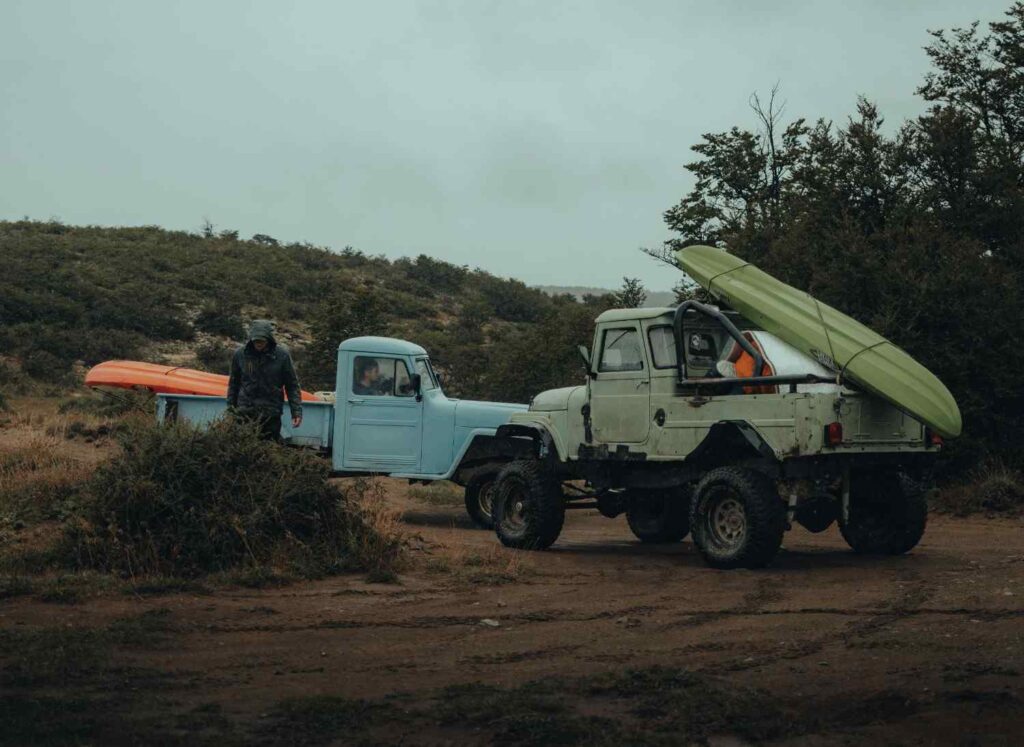
Roof Rack vs Bare Roof: One Choice Makes Life Much Easier
You can technically transport a kayak without a roof rack.
Would I recommend it? Only if you absolutely have to.
Here’s the difference:
| Method | Stability | Difficulty | Best For |
| Roof Rack Crossbars | High | Easy | Regular kayaking |
| Foam Blocks on Roof | Medium | Medium | Occasional transport |
| Truck Bed | High | Easy | Pickup owners |
| Small Trailer | Very High | Easy | Multiple kayaks |
Crossbars make everything easier with an inflatable kayak — Loading, strapping, stability, peace of mind.
Foam blocks work. But they shift. Especially in wind.
And wind is where things get interesting.

Why Highway Driving Feels Terrifying the First Time
Because your brain keeps thinking:
“Is that thing moving?”
Sometimes it is.
But often, what people hear is wind vibration.
Here’s the quick check:
Pull over after the first 10–15 minutes of driving.
Touch every strap.
Not glance. Touch.
Straps loosen slightly after movement. Happens all the time.
Especially when:
- Weather changes
- Rain hits
- Temperatures shift
- Wet straps dry out
Small adjustment. Big difference.
Loading a Kayak Alone Without Throwing Out Your Back
This frustrates a lot of people.
The kayak feels awkward. Too long. Hard to balance.
And suddenly loading becomes the worst part of the trip.
Here’s what works.
The Towel Trick Most People Discover Too Late
Put a thick towel or loading mat on the back of your car roof.
Lift the front of the kayak first.
Rest it on the towel.
Then move to the rear and slide it forward instead of lifting the whole thing.
Way less strain.
Your shoulders will thank you later.
Especially with fishing kayaks. Those things get heavy fast.
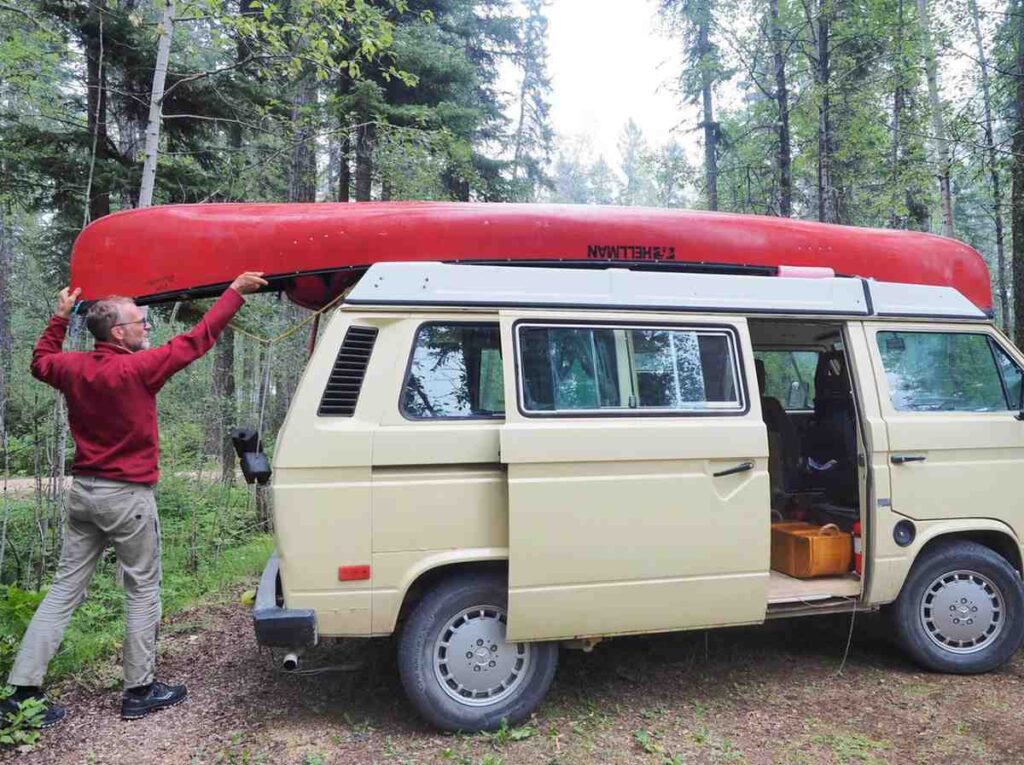
The Strap Mistake That Creates Weird Highway Noise
Ever hear humming or vibration while driving?
Usually this.
Loose strap ends flapping in the wind.
Simple fix:
Twist the straps once before tightening.
That small twist disrupts airflow and kills the buzzing sound.
Weird little trick. Works ridiculously well.
Bow and Stern Lines: Do You Actually Need Them?
Short answer?
Sometimes.
For smaller kayaks on local roads, probably not.
But longer kayaks or highway travel?
Use front and rear tie-down lines.
They stop front-to-back movement during:
- Hard braking
- Sudden wind gusts
- Emergency turns
Think of them like backup insurance.
You hope you don’t need them.
Still glad they’re there.
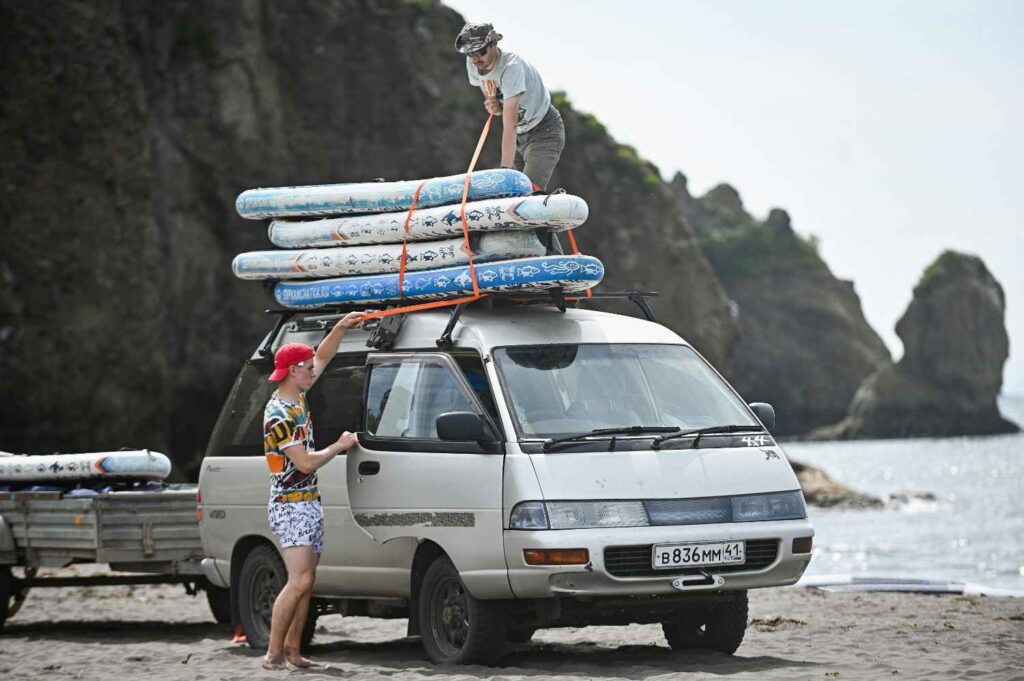
When Your Car Feels “Weird” After Loading
You know the feeling.
Steering feels lighter.
Braking feels slightly off.
Car sounds different.
What’s happening?
Usually one of these:
- Weight positioned unevenly
- Kayak sitting crooked
- Too much gear loaded on one side
- Wind resistance affecting handling
Don’t ignore that feeling.
Cars talk to you. Just not with words.
If driving suddenly feels strange, pull over and check.
Soft Rack or J-Cradles? Here’s the Honest Difference
| Setup | Best For | Biggest Problem |
| Soft Rack | Budget setup | Less stable |
| J-Cradles | Side loading | Slight wind drag |
| Saddle Mounts | Maximum support | More expensive |
Most beginners do perfectly fine with soft racks.
Frequent kayakers usually move to J-cradles pretty quickly.
Why?
Less hassle.
And less roof wrestling.
The Weirdest Thing I’ve Seen Go Wrong
Guy loaded a kayak perfectly.
Straps looked great.
Everything solid.
Problem?
He forgot to remove the cockpit cover.
Highway wind turned it into a parachute.
Destroyed the cover halfway through the drive.
Little stuff matters.
Always do a quick walk-around before leaving.
Thirty seconds saves hours.
Quick Pre-Drive Check (Don’t Skip This)
Before the wheels move:
- Push the kayak side to side
- Check strap tightness
- Secure loose strap ends
- Test front and rear tie-downs
- Make sure nothing blocks mirrors
- Double-check roof rack locks
Simple checklist.
Zero drama later.
Why Loading Gets Easier Fast
First trip feels stressful.
Second trip feels awkward.
By the fourth or fifth?
You’ll load the kayak without even thinking about it.
That nervous feeling disappears once the process becomes muscle memory.
And then something funny happens.
Transport stops being the annoying part.
It becomes the thing standing between you and water.
That’s it.
Load it right. Strap it tight. Drive without worrying.
FAQs
Can I transport a kayak without a roof rack?
Yes. Foam blocks or soft racks work for occasional trips, but a roof rack is much more stable.
How tight should kayak straps be?
Tight enough that the kayak doesn’t move independently from the car. Don’t over-tighten to the point of deforming the hull.
Do I need bow and stern tie-downs?
For highway driving or longer kayaks, yes. They add extra stability and safety.
Why is my kayak making noise on the highway?
Usually loose straps vibrating in the wind. Twist the straps once before tightening.
Can one person load a kayak alone?
Yes. Use the towel-slide method or a loading assist to avoid straining your back.
Why does my car feel unstable with a kayak on top?
Uneven weight, poor positioning, or wind resistance are usually the reason. Pull over and recheck the setup if something feels off.