
You ever get that feeling where you’re standing there with a kayak and thinking, “Okay… now what do I actually need so I don’t end up struggling halfway through the water?”
Yeah. That’s the real starting point most people don’t talk about.
First time I saw someone properly set up a kayak, they had spent more money on random accessories than on the kayak itself. Half of it never even got used. The other half? Wrong fit, wrong purpose, or just plain annoying in real conditions.
Let’s fix that.
The #1 Mistake People Make With Kayak Accessories
Most beginners think more gear = better experience.
Wrong.
What actually happens is:
- Too many attachments slow you down
- Cheap gear fails at the worst moment
- Overpacking makes the kayak unstable
- You spend more time adjusting stuff than paddling
Here’s the truth nobody tells you:
A kayak works best when it’s simple, balanced, and purpose-driven.
Everything else is optional.
Paddle: Your Real Engine (Don’t Cheap Out Here)
If there’s one thing you get right, it’s this.
A bad paddle will ruin your whole trip. You’ll feel it in your shoulders within 20 minutes.
What you actually want:
- Lightweight shaft (aluminum or fiberglass)
- Adjustable length if possible
- Blades that aren’t too wide (unless you want short power bursts only)
Here’s something people mess up:
They buy a heavy paddle thinking it’s “stronger.”
It’s not strength you need. It’s endurance.
Life Jacket (PFD): The Thing You Hope You Never Notice
This isn’t optional, even if you’re “just going close by.”
But here’s the real issue:
Most people wear it wrong or buy the wrong style.
What works:
- Snug fit, not loose
- High back design if you sit in a kayak seat
- Enough arm mobility for paddling
If you feel like it’s annoying on land, that’s fine. On water, you’ll forget it’s there—if it’s the right one.
If you don’t forget it, it’s wrong.
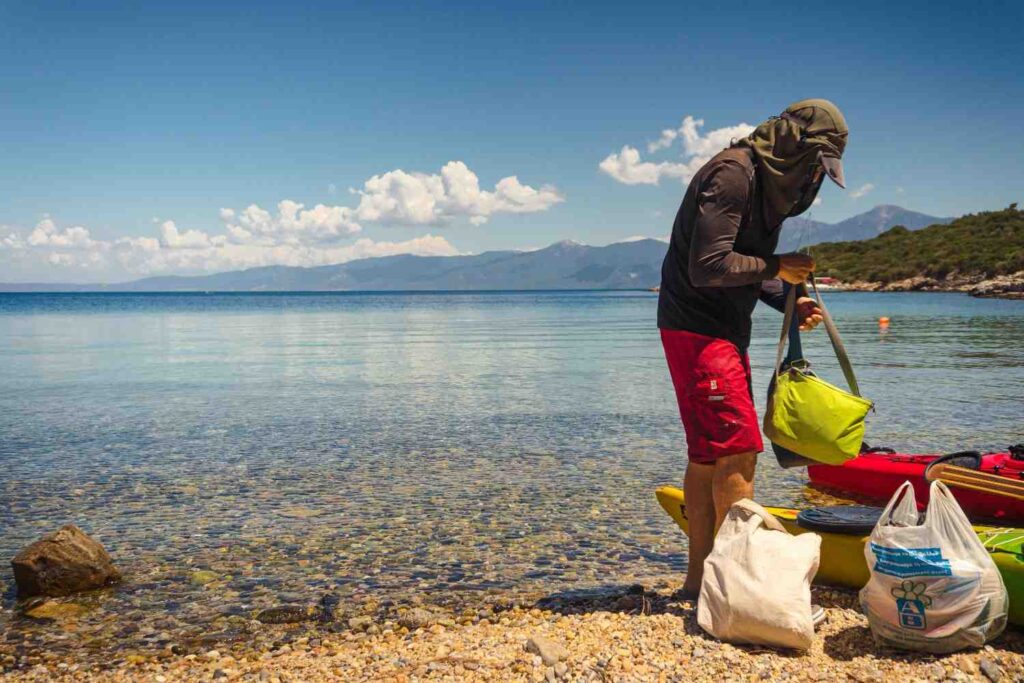
Dry Bag: Where People Either Get It Right or Lose Everything
I’ve seen phones, wallets, keys… gone because someone trusted a “water-resistant pouch.”
That word—water-resistant—is where things go wrong.
You want:
- Fully waterproof dry bag (roll-top seal)
- Separate small pouch for phone
- One bigger bag for clothes/snacks
Simple trick:
Before every trip, close it, push air out, roll it tight, then press it under water for 10 seconds at home.
If bubbles come out? Don’t take it.
Kayak Seat Comfort: The Hidden Dealbreaker
Nobody thinks about this until their back starts hurting.
Cheap kayaks or basic seats can make long trips miserable.
- Flatten your lower back
- Force weird posture
- Make long trips miserable
Better setup:
- Cushioned back support
- Adjustable straps (not fixed plastic)
- Slight elevation for airflow
You don’t need luxury. You need “I can sit here for 2–3 hours without thinking about my spine.”
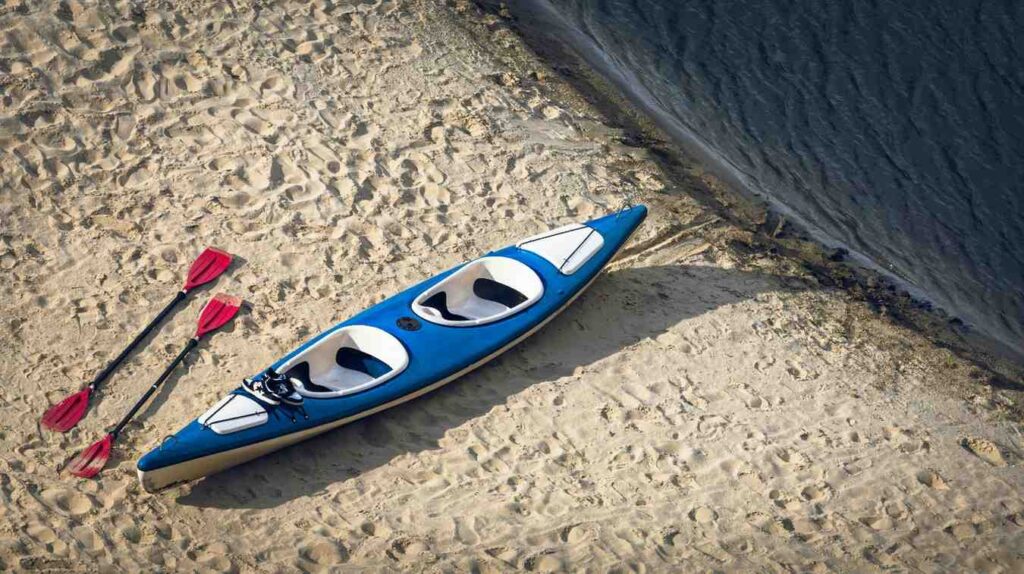
Paddle Leash: The Small Thing That Saves Big Problems
Ever dropped a paddle in water?
Yeah. That sinking feeling is real.
A paddle leash:
- Clips paddle to kayak
- Prevents drift-away disasters
- Costs almost nothing
And yet most beginners skip it.
This is one of those “you only forget it once” accessories.
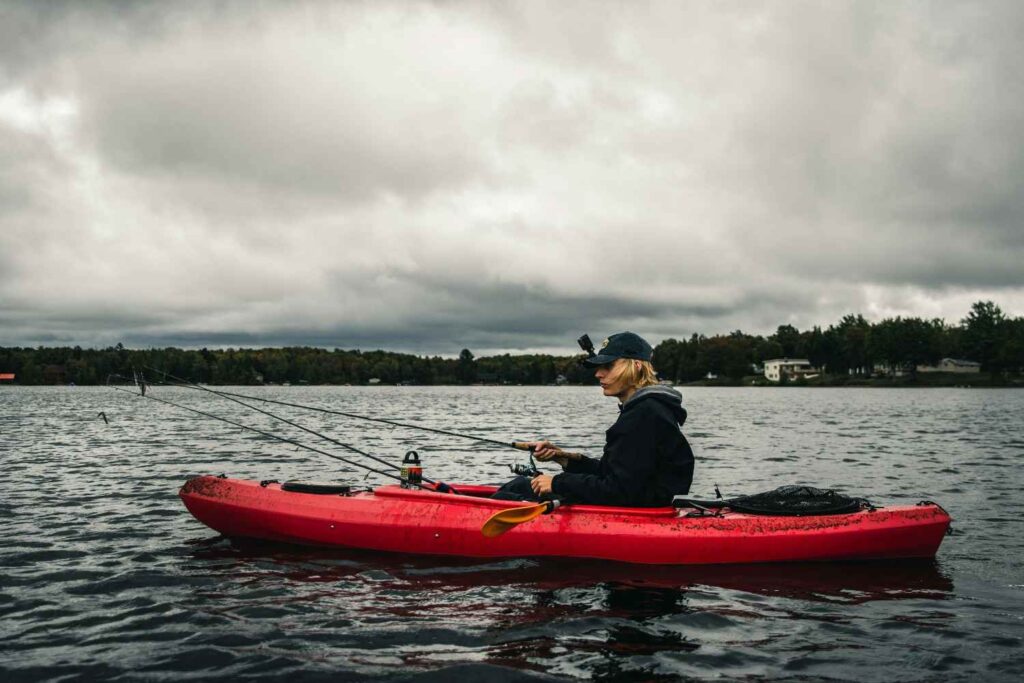
Rod Holders (If You’re Fishing)
Fishing from a kayak changes everything.
But don’t overdo it.
What actually works:
- 1–2 rod holders max
- Adjustable angle
- Mounted behind seat or side rails
Too many rods = tangled lines + frustration.
Storage Bungee System: Don’t Ignore This
That elastic webbing on top of kayaks? It’s not decoration.
Use it for:
- Dry bag
- Light jacket
- Emergency kit
But here’s the catch:
If you overload it, things bounce off in waves.
Rule of thumb:
If it’s not secured properly, it doesn’t belong on top.
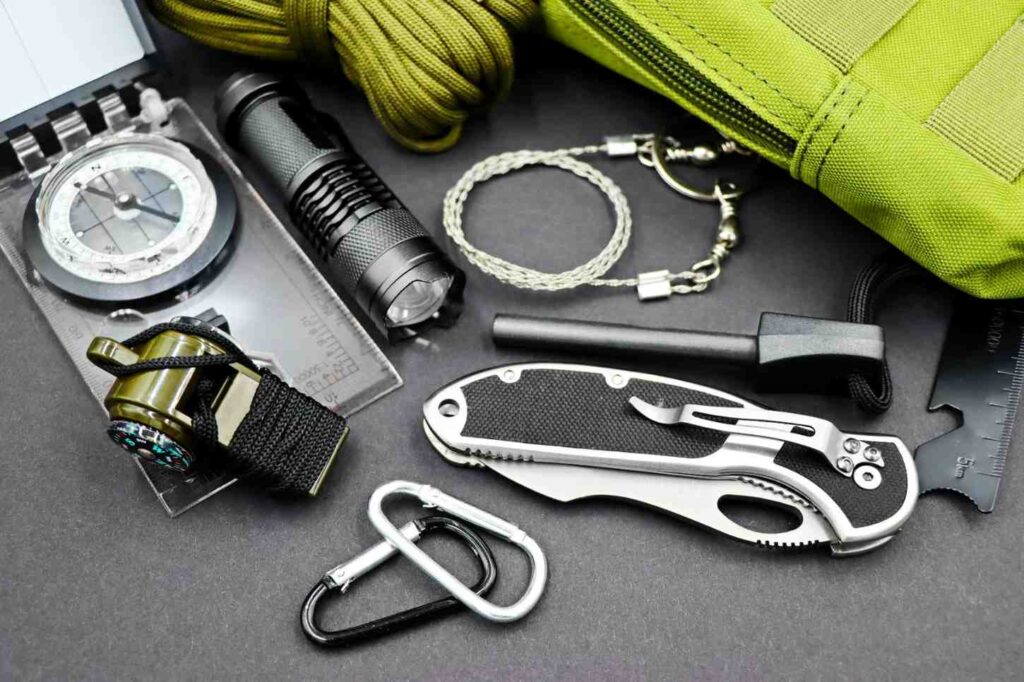
Safety Kit (The Stuff Nobody Wants to Think About)
You don’t need a full survival backpack.
But you do need basics:
- Whistle (loud, simple, lifesaving)
- Small flashlight or headlamp
- Basic rope (few meters)
- First aid mini kit
Most people only realize this matters when visibility drops or wind picks up.
Quick Comparison: Essential vs Optional Gear
| Essential Gear | Optional Gear |
| Paddle | Camera mounts |
| Life jacket | Cup holders |
| Dry bag | LED lights |
| Whistle | Extra rod holders |
| Seat support | Decorative gear |
If you’re just starting, stick to the left column. That alone makes you 80% ready.
The Quiet Truth About Kayak Setup
Here’s what experience teaches you after years on water:
You don’t win kayaking with gear.
You win it by removing problems before they start.
Every extra strap, mount, or gadget should answer one question:
Does this make my time on water simpler or more complicated?
If it’s not simpler, it doesn’t belong.
FAQs
What is the most important kayak accessory?
A proper life jacket (PFD). Everything else is secondary to safety.
Do I really need a dry bag?
Yes. Regular bags will eventually fail, even if “water-resistant.”
Can I kayak without a paddle leash?
You can, but you’re risking losing your paddle in wind or currents. Not worth it.
How many accessories are too many?
If you’re constantly adjusting gear instead of paddling, you’ve gone too far.
What’s the best beginner setup?
Paddle + life jacket + dry bag + basic seat support. That’s enough to start safely.
If you set it up like this, you stop fighting your kayak and start actually enjoying it.