

Yeah… this is the moment nobody warns you about.
You’ve got the kayak sitting there. Water’s calm. Everything looks easy from the shore. Then you try to get in and suddenly it feels like the thing is actively trying to flip you into the water.
Happens to everyone. First time I saw it, a guy stepped in too fast, shifted weight wrong, and the kayak just rolled like it had a personal grudge.
Let’s fix that.
The #1 Reason People Fall While Getting In
Most of the chaos comes from one thing: unstable kayak contact with the ground or dock.
If the kayak is floating freely or half-supported, it’s already unstable before you even step in.
What you want:
- Kayak half in water, half supported
- Either shallow shore OR steady dock edge
- No drifting
Here’s the simple truth:
If the kayak moves before you sit, you’re already behind.
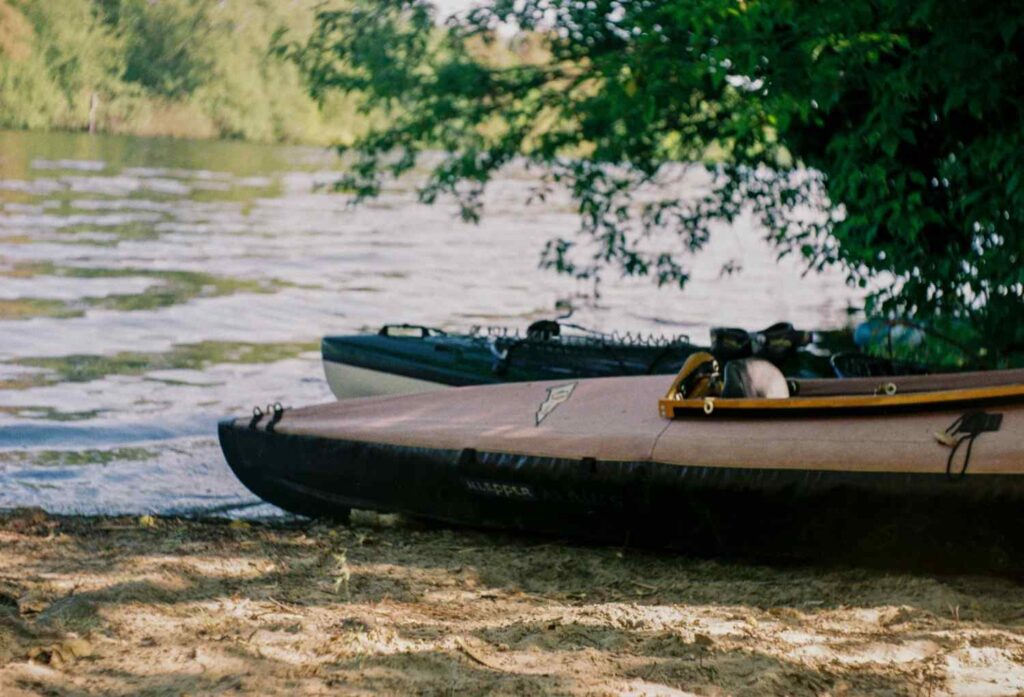
Shore Entry: The Cleanest Beginner Method
This is the one I always tell people to start with kayak accessories — No drama.
What you need:
- Knee-deep shallow water
- Calm surface (no waves, no boat wake)
- Paddle already inside reach
Now the move:
- Stand beside the kayak, not behind it
- Hold the cockpit rim with both hands
- Place your closest foot into the center floor first
- Lower yourself slowly—don’t “step,” just transfer weight
- Slide second leg in and sit immediately
Here’s the part people mess up:
They try to “jump” into sitting position. Don’t.
Think of it like sitting in a low chair that might tip if you rush it.
Slow equals stable.

Dock Entry: Trickier, But Totally Controlled
Dock gives you height advantage, but also panic risk.
What works best:
- Kayak parallel to dock edge
- Paddle floating or secured across kayak
- Seat already adjusted
Now do this:
- Sit on dock first, legs hanging over kayak
- Grip both sides of cockpit firmly
- Lower yourself in one smooth motion
- Keep your center of gravity low immediately
If the kayak starts drifting, pause. Pull it back with your hands first.
And yeah—this is where most people hesitate too long and overthink it. That hesitation creates wobble.

The Silent Killer: Wrong Foot Placement
This one is sneaky.
People either:
- Put both feet in too fast
- Or place weight too far forward/back
What you actually want:
- First foot center floor of kayak
- Second foot follows immediately
- No standing inside kayak (ever, unless you know what you’re doing)
Think of the kayak like a narrow floating spine. You step off-center, it reacts instantly.
Why Kayaks Feel “Wobbly” at First
Here’s what’s actually going on:
A kayak isn’t unstable… it’s just reacting to sudden weight shifts.
So when you:
- Hesitate mid-step
- Lean sideways
- Push down too hard on one side
It amplifies that movement.
First 10 seconds matter most. After you’re seated, it calms down fast.
Fix It In 20 Seconds: Stabilize Before Entry
Before you even step in, do this quick check:
- Push kayak lightly → does it drift too easily?
- Is it rotating in water? (bad positioning)
- Are both sides evenly floating?
If it’s unstable:
Adjust position before entry, not during.
Trust me, trying to fix it while stepping in is where most accidents happen.
When You’re Alone (The Real-World Problem)
Nobody talks about this part enough.
No one holding your kayak = more movement.
Here’s what works:
- Use paddle as a temporary stabilizer (press one blade on ground or dock edge)
- Or tie a short rope to dock if available
- Enter faster, but controlled—don’t overthink mid-motion
Slow is good… until slow becomes hesitation. Then it backfires.
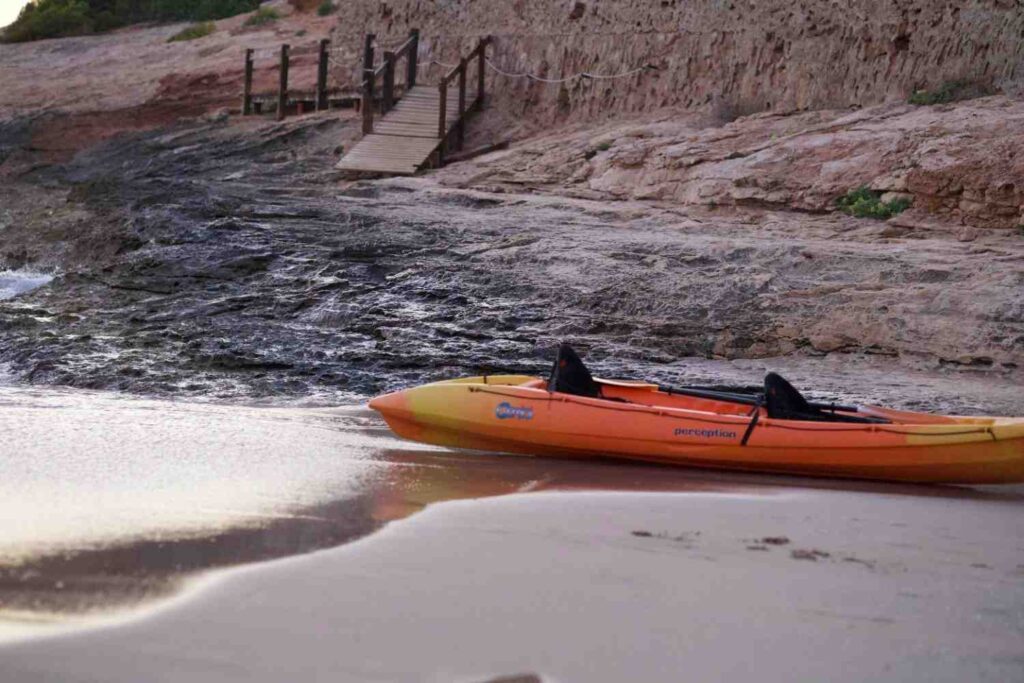
Table: Best Entry Methods Compared
| Method | Stability | Difficulty | Best For |
| Shore Entry | High | Easy | Beginners |
| Dock Entry | Medium | Medium | Lakes, rentals |
| Solo Water Entry | Low–Medium | Hard | Experienced users |
Pick based on your environment, not ego.

The Thing Nobody Tells You Early
You don’t “get into a kayak.”
You settle into it like it’s already slightly unstable furniture.
Once you accept that, everything changes:
- You move slower
- You stop fighting the balance
- You trust the seat, not your legs
And suddenly… it stops feeling scary.
Quick Mental Trick That Helps Immediately
Before stepping in, think:
“I’m not stepping into water. I’m lowering into balance.”
Sounds small, but it changes how your body behaves. Less panic movement. More control.
FAQs
Why does my kayak tip when I try to get in?
Because your weight is shifting too fast before the kayak is stabilized. Slow transfer fixes it.
Should I enter from shore or dock?
Shore is easier for beginners. Dock gives more height but requires better control.
Can I stand inside a kayak?
Technically yes in some models, but for entry? Never. That’s where most flips happen.
What if the kayak keeps drifting away?
Hold it with one hand or use your paddle as a temporary anchor before stepping in,then transport your kayak properly.
Do I need someone to hold the kayak for me?
Not necessary, but helpful for first few tries. After that, you should manage solo entry.
Once you get this right once or twice, it stops being a “skill” and becomes automatic. No drama. No wobble. Just step, settle, paddle.