
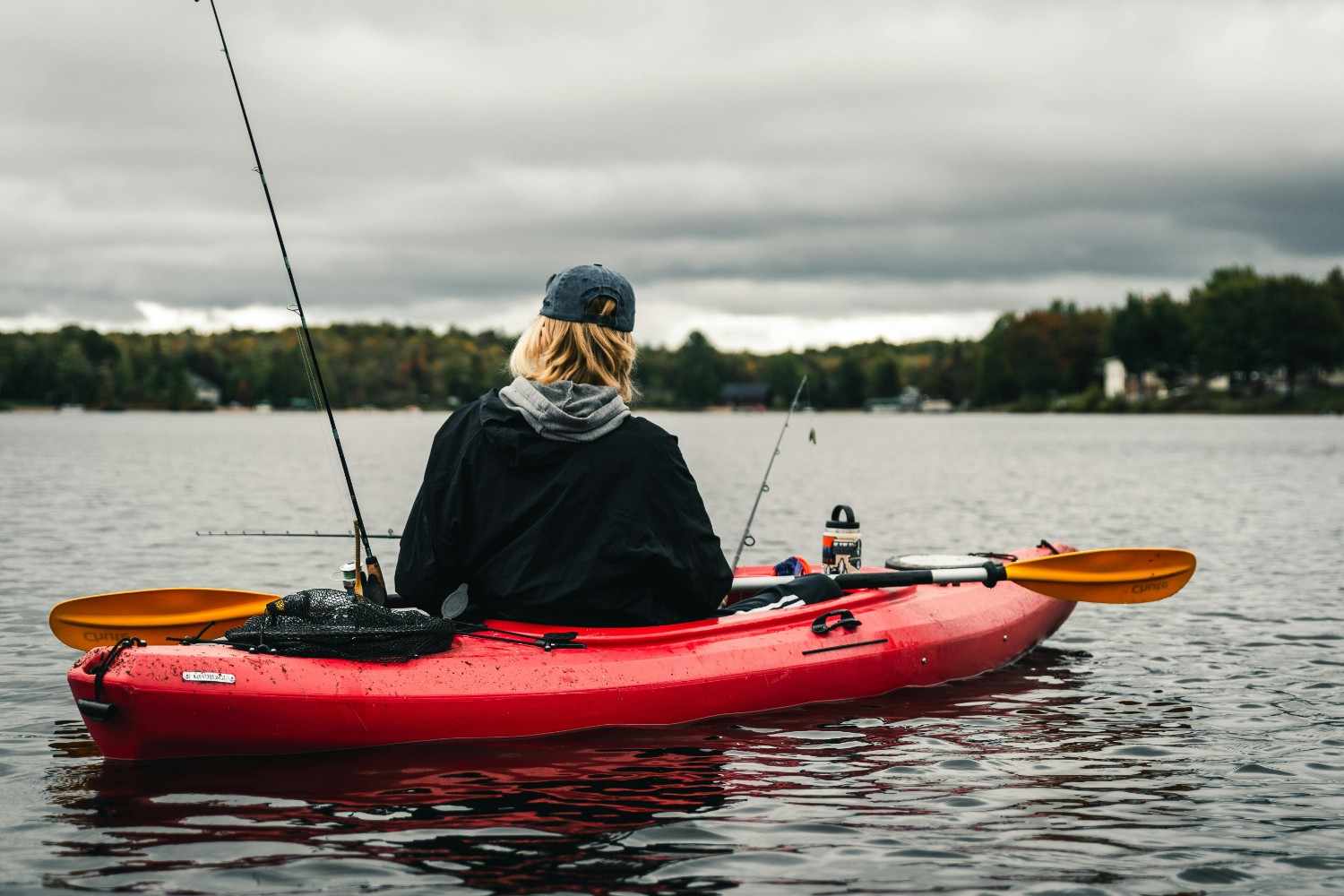
I’ve seen people get this choice wrong more times than I can count.
Not because they didn’t research.
Because they chose based on specs instead of how the kayak actually behaves once it’s loaded, wet, and half a mile away from the car.
Let me show you what actually matters.
A Quick Story From the Water (Why This Matters)
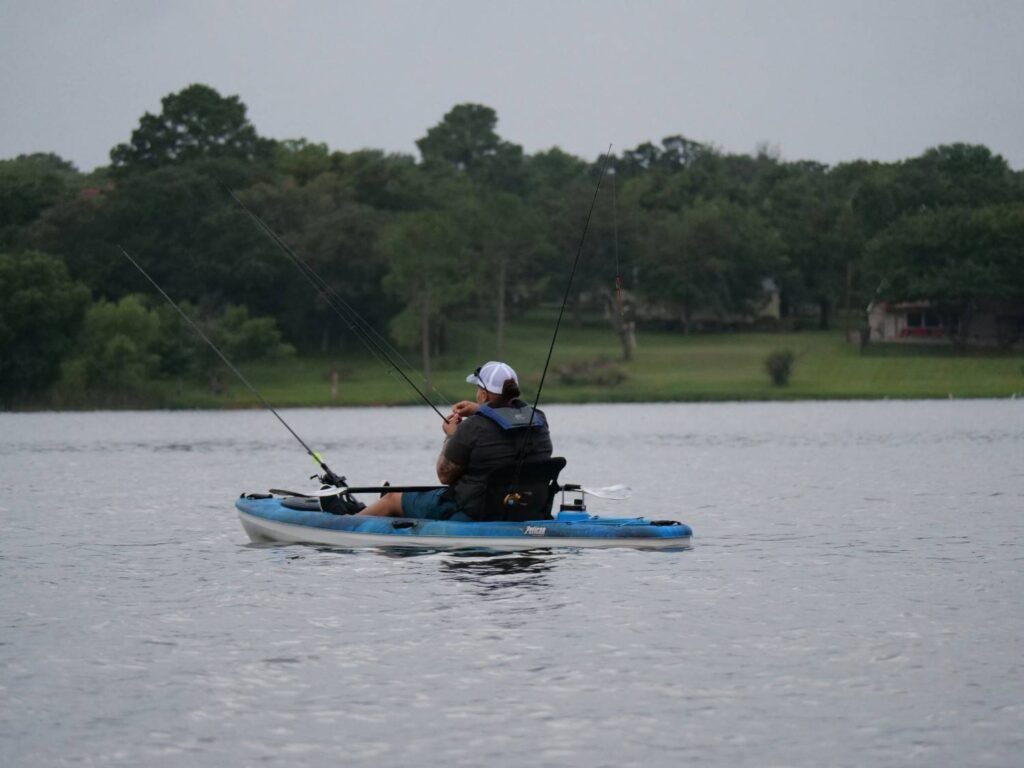
A few summers ago on a small lake in Texas, I watched a guy launch a brand-new “stable fishing kayak.”
Looked perfect on paper.
Then he added:
- battery
- fish finder
- crate
- cooler
First 10 minutes? Fine.
Then a light wind picked up.
He leaned slightly to grab a rod… and the kayak didn’t flip — but it shifted just enough to spill his tackle box into the water.
He didn’t lose the kayak.
He lost confidence.
And that’s the real problem nobody talks about.
$1500 Kayak Range — What You’re Actually Buying
This price range is not “budget junk” anymore.
It’s entry-to-mid fishing setup territory where design matters more than brand hype.
You’re basically paying for:
- stability under real gear load
- usable seat comfort
- mounting space
- weight handling
- transport practicality
If you plan to add electronics later, setup compatibility matters too. Some kayaks make mounting sonar and wiring much easier than others, so it’s worth understanding a proper fish finder setup before you buy.
Not speed. Not luxury. Not perfection.
Best Fishing Kayaks Under $1500 (Real US Market Picks)
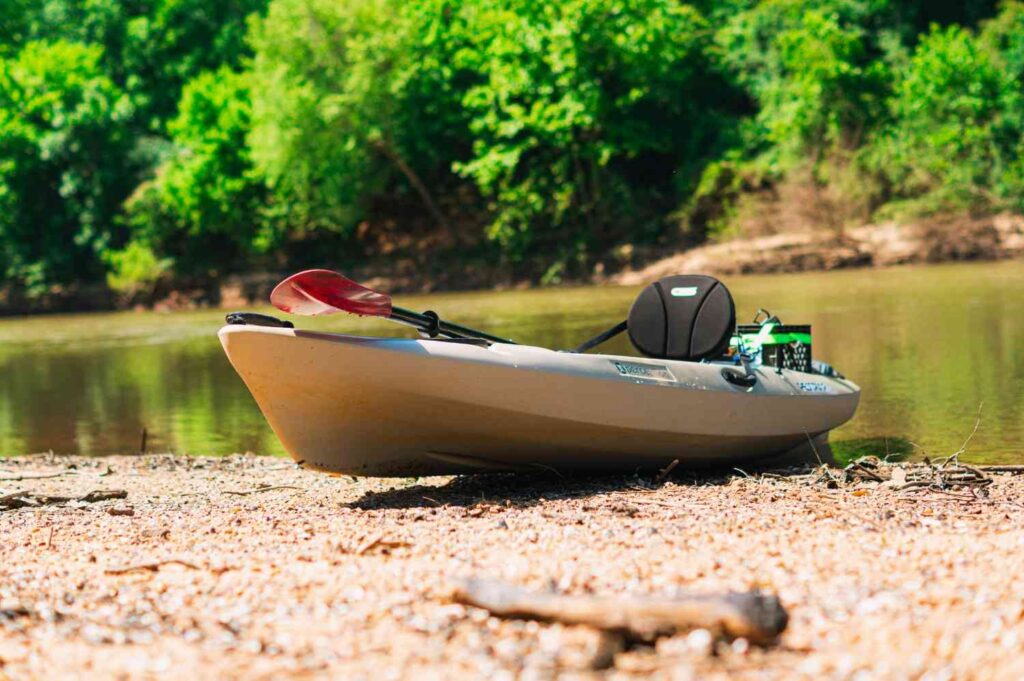
1. Lifetime Tamarack Angler 100
Price: $300 – $450
Length: 10 ft
Weight: ~52 lbs
Capacity: ~275–300 lbs
This is the most common starter fishing kayak in the US.
It’s stable enough for calm lakes, but once you load gear heavily, you’ll feel its limits.
Good:
- very stable for beginners
- cheap entry point
- easy to modify
Bad:
- basic seat (your back will complain after 2–3 hours)
- struggles in wind with gear load
2. Pelican Sentinel 100X Angler
Price: $400 – $600
Length: 10 ft
Weight: ~44 lbs
Capacity: ~300 lbs
Lightweight and easy to move alone.
This is the kayak people buy when transport is a real concern.
Good:
- easy solo carrying
- decent lake stability
- beginner-friendly
Bad:
- limited rigging space
- not built for heavy setups
3. Sun Dolphin Journey 10 SS
Price: $350 – $500
Length: 10 ft
Weight: ~44–45 lbs
Capacity: ~250–280 lbs
Simple, no drama fishing kayak.
It does the job without pretending to be premium.
Good:
- built-in rod holders
- simple fishing layout
- affordable
Bad:
- average seat comfort
- not very fast or efficient
4. Perception Outlaw 11.5 (Best Overall)
Price: $900 – $1200
Length: 11.5 ft
Weight: ~77 lbs
Capacity: ~425–475 lbs
This one shows up a lot in real fishing setups — especially in US lakes.
Good:
- extremely stable (you can actually move around in it)
- wide standing platform feel
- comfortable seat for long sessions
- handles heavy gear easily
Bad:
- heavy to transport
- slower in water
If you want one kayak that “just works” under $1500, this is it.
The Trade-Off Nobody Tells You
Every fishing kayak forces a decision:
- lighter kayak → easy transport, less stability under load
- heavier kayak → stable fishing platform, harder to move
And here’s the truth:
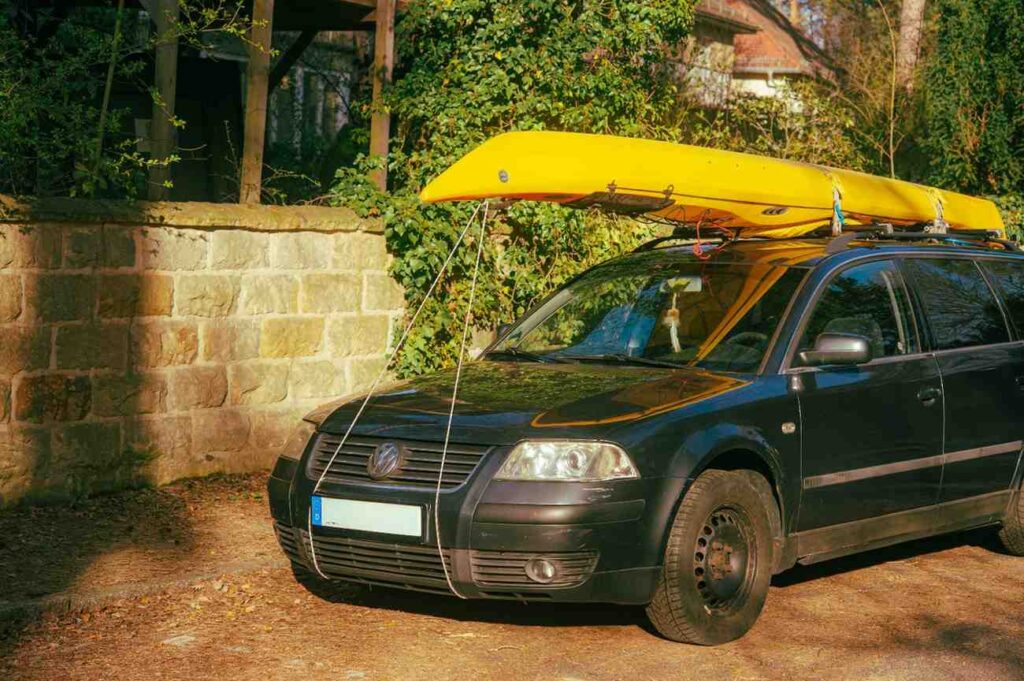
Most people quit kayaking because of transport, not water performance.
If it’s exhausting to load it on the car, you won’t fish as often.That’s why learning how to transport a kayak properly makes a huge difference in how often you actually get on the water.
Real Specs Comparison (Quick View)
| Kayak | Length | Weight | Capacity | Real Strength |
| Tamarack 100 | 10 ft | 52 lbs | 300 lbs | Stability |
| Sentinel 100X | 10 ft | 44 lbs | 300 lbs | Portability |
| Journey 10 SS | 10 ft | 44 lbs | 270 lbs | Simplicity |
| Outlaw 11.5 | 11.5 ft | 77 lbs | 450 lbs | Balance + Comfort |
One More Real Story (Transport Problem)
I once helped a guy load a fully rigged fishing kayak after sunset.
He had:
- fish finder
- battery box
- crate full of gear
- kayak trolling motor
The kayak itself wasn’t the problem.
The problem was lifting it alone onto roof racks after a 6-hour fishing trip.
He said one line that stuck with me:
“Fishing part is easy. Getting it there is the real sport.”
That’s why transport matters more— especially when you’re dealing with heavier setups. If you’re planning to add power assistance, it’s worth understanding how a kayak trolling motor setup actually affects weight and handling before you build your rig.
Who Should Buy What
Beginners: Tamarack Angler 100
→ cheap, stable, forgiving
Solo transport users: Pelican Sentinel 100X
→ light, easy handling
Budget fishing setup: Sun Dolphin Journey
→ simple, functional
Serious casual anglers: Perception Outlaw 11.5
→ best all-round fishing platform
Common Mistakes People Make
- buying speed instead of stability
- ignoring seat comfort
- underestimating gear weight
- not thinking about transport
- overloading cheap kayaks
Not thinking about transport also means you often ignore how your kayak accessories add up in real weight and handling. That’s where most beginners start facing problems later.
FAQs
Is $1500 enough for a serious fishing kayak?
Yes. You can get a very solid setup in this range.
Do I need a heavy kayak for fishing?
Not always, but stability usually comes with weight.
Can I install a fish finder later?
Yes, most kayaks in this range support it.Yes, most kayaks in this range support it. If you’re planning to upgrade your setup later, it’s worth checking a proper fish finding setup guide so you understand how sonar placement and wiring work before you start rigging your kayak.
What matters most: length or width?
For fishing — width (stability) matters more.
Final Thought (Real Advice, Not Marketing)
A fishing kayak is not a product decision.
It’s a lifestyle decision.
If transport is easy, you’ll go out more.
If seating is comfortable, you’ll stay longer.
If stability is right, you’ll fish without thinking about balance.
And under $1500, you don’t need perfect.
You just need something that doesn’t fight you every time you use it.
That’s the real win.