
Most people shopping in this price range are frustrated before they even start.
You look online and see two completely different opinions:
One person says, “You don’t need to spend much.”
Another says, “Anything under $1,000 is junk.”
Truth?
Both are wrong.
You absolutely can buy a good fishing kayak under $500. But you need to understand one thing first:
At this budget, every kayak comes with a trade-off.
Miss that part and you’ll end up buying twice.
I learned this lesson years ago watching a guy at a lake launch a bargain kayak loaded with optimism and way too much gear.
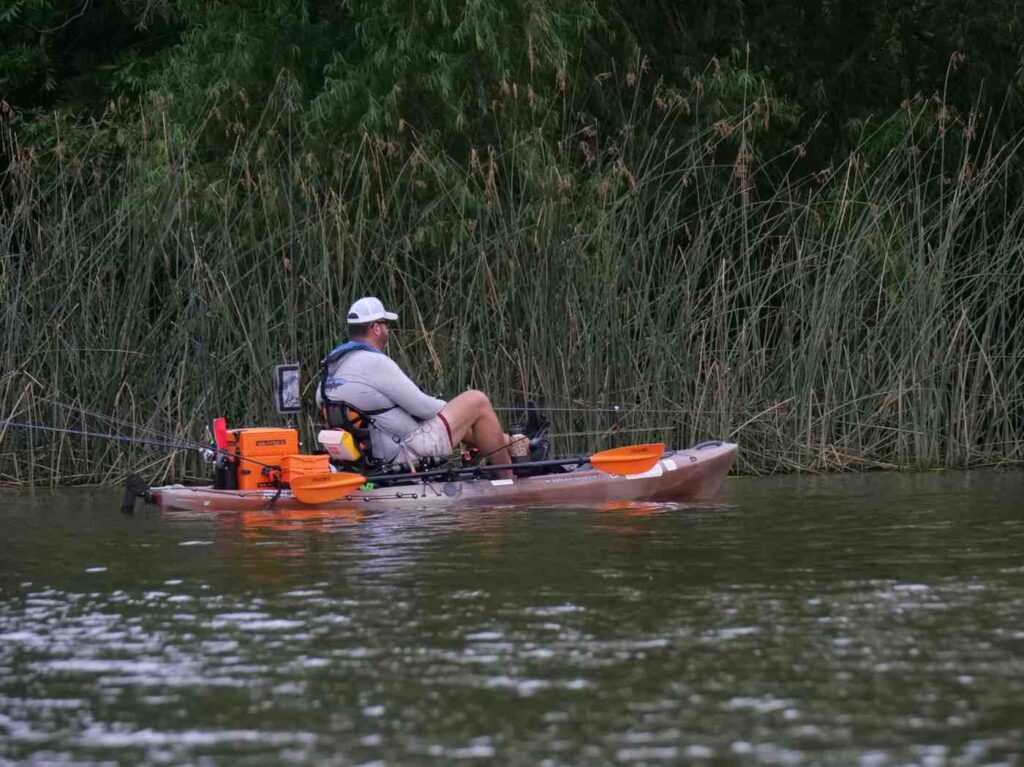
Rod crate.
Cooler.
Battery.
Three rods.
Coffee.
About twenty minutes later, he paddled back looking annoyed.
The kayak floated fine.
Fishing? Miserable.
Every little movement felt unstable. Storage was awkward. Seat uncomfortable.
His exact words:
“I saved money buying this thing and somehow stopped wanting to fish.”
That stuck with me.
Because cheap kayaks don’t fail dramatically.
They fail slowly.
A bad seat.
Poor tracking.
Weird wobble.
Annoying transport.
Little frustrations that pile up until the kayak starts collecting dust in the garage.
Let’s avoid that.
First Thing to Understand: What $500 Actually Buys You
This is not premium fishing kayak territory.
You’re not getting:
- fancy pedal drive systems
- premium stadium seating
- elite offshore performance
- massive electronics mounting systems
What you can get?
A stable, fishable kayak that genuinely works for lakes, ponds, calm rivers, and light inshore use.
That’s enough for a lot of anglers.
Especially beginners.
And honestly? Plenty of experienced fishermen still use cheaper kayaks because they know what matters and what’s marketing.
The #1 Mistake People Make Under $500
They buy based on pictures.
Big mistake.
Photos lie.
Every kayak looks stable in a clean product image.
What matters is how it behaves when:
- you twist to grab a rod
- wind pushes sideways
- you lean to land a fish
- gear weight shifts around
This is the part everyone misses.
Fishing stability matters more than speed.
You’re not training for the Olympics.
You’re trying to stay balanced while handling fish and gear.
Best Fishing Kayaks Under $500 (Real Picks That Actually Make Sense)
Some of these regularly stay below $500.
Others occasionally dip into this price range during sales in the US.
And yes, sales matter. I’ve seen people save hundreds just by waiting for spring promotions.
1. Lifetime Tamarack Angler 100
Typical Price: $350–$450
Length: 10 ft
Weight: ~52 lbs
Capacity: ~275–300 lbs
This kayak shows up everywhere for a reason.
Simple.
Stable.
Forgiving.
If someone asks me, “I’ve never owned a fishing kayak before and don’t want to screw this up,” this is usually where the conversation starts.
Good stuff:
- stable for beginners
- built-in rod holders
- decent tracking for calm water
- easy learning curve
Where it struggles:
- seat comfort gets rough after long sessions
- heavier paddlers may feel cramped
- wind performance isn’t amazing
Still, for the money?
Hard to beat.
Best for beginners who just want to fish without drama.
The Weird Thing About Stability (Nobody Explains This Properly)
Beginners usually say:
“I want the most stable kayak possible.”
Makes sense.
But extra stability usually means:
- heavier kayak
- wider frame
- slower paddling
- harder transport
That trade-off matters.
I once watched a guy buy a super stable fishing kayak… then barely use it.
Why?
Lifting it onto roof racks after work became exhausting.That’s when he realized knowing how to transport a kayak properly matters just as much as choosing the right one in the first place.
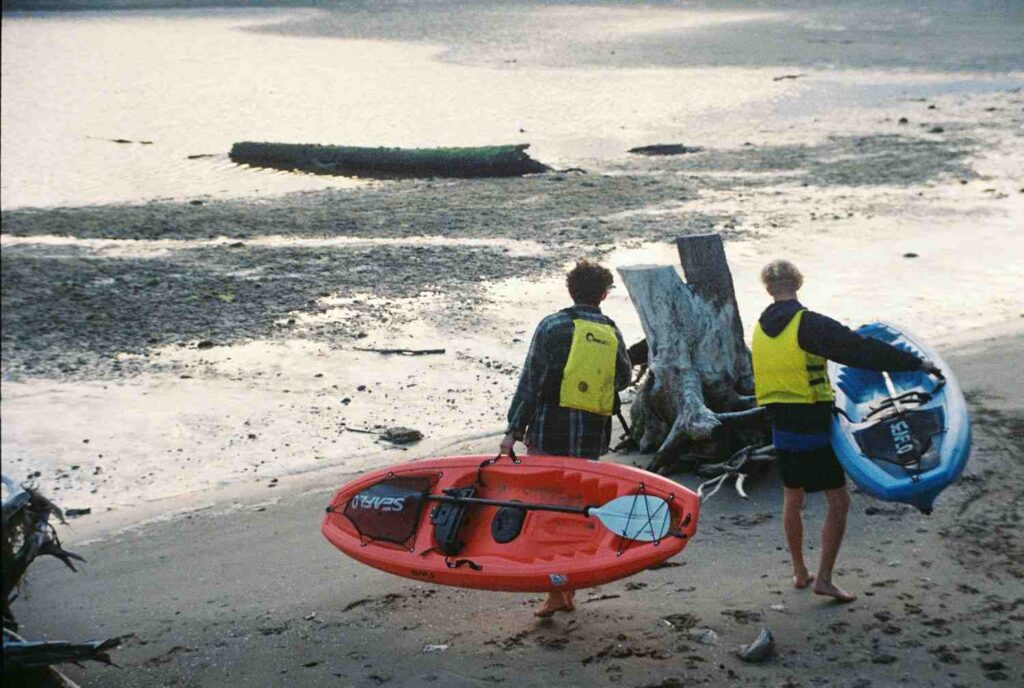
Fishing wasn’t the problem.
Transport was.
That’s real life.
2. Pelican Sentinel 100X Angler
Typical Price: $400–$500
Length: 9.5–10 ft
Weight: ~44 lbs
Capacity: ~275–300 lbs
This one wins points for portability.
Not everybody wants to wrestle a heavy kayak after fishing for six hours.
Some people just want:
Park.
Unload.
Fish.
Go home.

This kayak understands that assignment.
Good stuff:
- lightweight
- easy solo transport
- decent beginner stability
- simple fishing setup
Weak spots:
- limited gear space
- smaller paddlers tend to like it more
- not ideal for heavy loads
Best for solo anglers who hate carrying heavy gear.
3. Sun Dolphin Journey 10 SS
Typical Price: $350–$450
Length: 10 ft
Weight: ~44 lbs
Capacity: ~250–280 lbs
Underrated kayak.
Nobody brags about owning one.
But plenty of people quietly catch fish with it.
And honestly?
That matters more.
Good stuff:
- built-in rod holders
- affordable
- simple fishing layout
- stable enough for lakes
Not so great:
- basic seating
- average storage space
- not ideal for larger anglers
Best for budget-conscious anglers who value function over hype.
4. Intex Excursion Pro K2 (Inflatable Surprise Pick)
Typical Price: $250–$450
Length: ~12.7 ft
Weight: ~44 lbs
Capacity: ~400 lbs
Yeah.
Inflatable.
I know what some people are thinking.
“Those things feel sketchy.”
Not anymore.
Modern inflatables surprised me years ago.
A buddy brought one fishing because he didn’t have garage space.He went with an inflatable kayak because it was easier to store, transport, and set up without needing extra room at home.
I expected disaster.
Instead?
Stable.
Comfortable.
Shockingly practical.
Especially for apartment living.
Pros:
- insanely portable
- no roof rack needed
- easy storage
- surprisingly stable
Cons:
- setup time
- not ideal in rough conditions
- puncture anxiety (usually overblown)
Best for people with storage or transport problems.
Quick Comparison Table (The Easy Shortcut)
| Kayak | Price | Weight | Capacity | Best For |
| Lifetime Tamarack | $350–$450 | 52 lbs | 300 lbs | Beginners |
| Pelican Sentinel | $400–$500 | 44 lbs | 300 lbs | Portability |
| Sun Dolphin Journey | $350–$450 | 44 lbs | 275 lbs | Budget setups |
| Intex Excursion Pro | $250–$450 | 44 lbs | 400 lbs | Storage problems |
What I’d Personally Buy at This Budget
Depends on the person.
Beginner with a pickup truck?
Lifetime Tamarack.
Apartment owner?
Intex Excursion Pro.
Smaller angler fishing calm lakes?
Pelican Sentinel.
Trying to stretch every dollar?
Sun Dolphin Journey.
But here’s my honest advice after seeing thousands of setups:
Don’t spend your entire budget on the kayak.
Save money for:
- paddle upgrade
- life jacket
- dry bag
- anchor system
- rod holder setup
Once you start adding gear, costs can add up quickly, which is why it helps to plan your kayak accessories ahead of time instead of buying everything at once.
A $400 kayak with good accessories often beats a $500 kayak with nothing else.
That’s experience talking.
The One Thing I Wish Everyone Knew Before Buying
Weight capacity numbers lie a little.
Not fake.
Just optimistic.
If a kayak says 300 lbs capacity, don’t plan around 300 lbs.
Think closer to:
70–80% of max capacity for real comfort.
Because gear adds up fast.
Tackle.
Cooler.
Battery.
Extra clothes.
Lunch.
Fish.
Suddenly your “light setup” isn’t light anymore.
Common Mistakes That Waste Money Fast
Buying based on YouTube hype.
Ignoring seat comfort.
Overloading cheap kayaks.
Forgetting transport.It’s also common to overlook electronics early on, which is why planning a proper fish finding setup before upgrading your kayak can save time, money, and frustration later.

Choosing speed over stability.
Thinking upgrades will magically fix a bad kayak.
Bad foundations stay bad.
Always.
FAQ
Can you really get a good fishing kayak under $500?
Yes.
You just need realistic expectations.
Calm water fishing? Absolutely.
Heavy offshore setup? Probably not.If you’re still figuring out what type of kayak actually fits your fishing style, it helps to learn how to pick the perfect kayak for fishing before spending money on the wrong setup.
What is the most stable fishing kayak under $500?
Lifetime Tamarack usually wins here.
Wide enough to feel forgiving for beginners.
Are inflatable fishing kayaks actually safe?
Modern ones? Surprisingly yes.
Especially quality models.
Just avoid sharp hooks carelessly tossed around. Common sense helps.
Should beginners buy sit-on-top kayaks?
Usually yes.
They’re easier to enter, easier to fish from, and feel less intimidating.
What matters more: weight or stability?
Depends on lifestyle.
If transport is annoying, you’ll fish less.
Simple truth.
Final Word From Someone Who Has Seen Too Many Regret Buys
The wrong kayak won’t ruin one fishing trip.
It’ll slowly make you stop wanting to go.
That’s the danger.
The right kayak?
You stop thinking about the kayak.
You think about fishing.
That’s when you know you picked well.