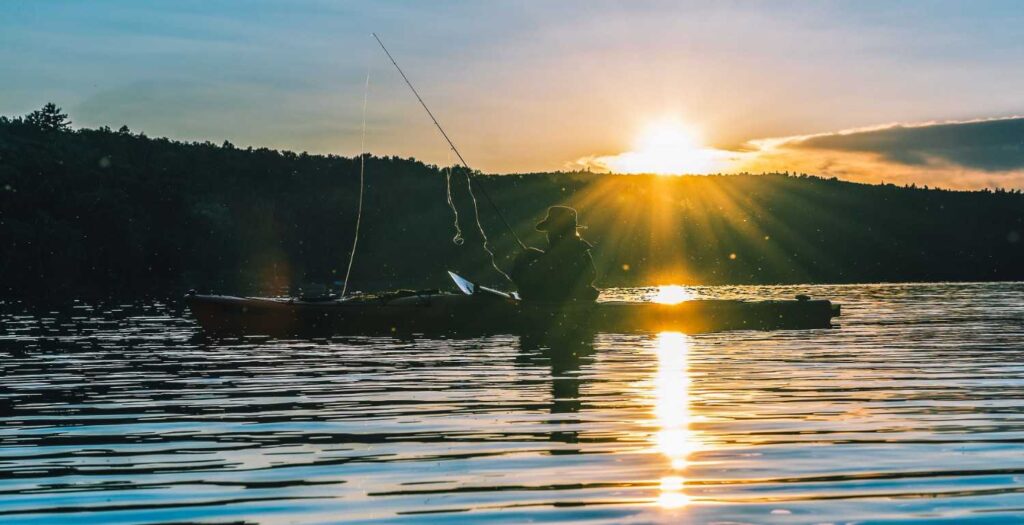
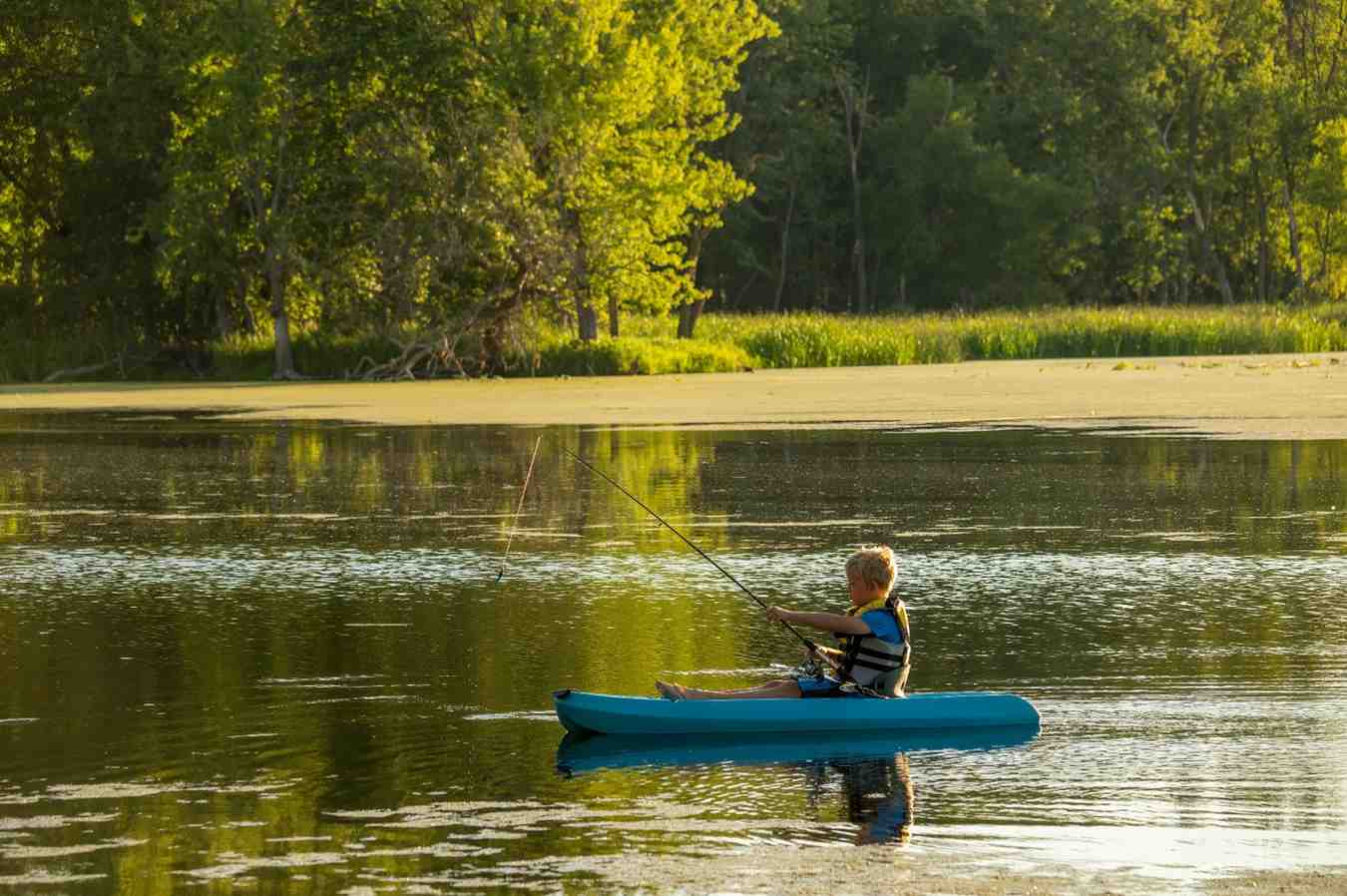
Yeah… pedal kayaks look simple until you actually use them for fishing.
Hands free. Smooth movement. Easy control.
Then reality shows up — rhythm issues, steering lag, fatigue, and setup mistakes that quietly ruin the trip.
I’ve seen this pattern too many times.
First Thing First: What Pedal Drive Actually Changes
Pedal drive doesn’t make fishing easier.
It makes it continuous movement fishing instead of stop-and-go paddling.
What changes immediately:
- constant leg engagement instead of short bursts
- foot-based steering becomes primary control
- heavier hull + drive system weight
- sensitivity to seat + balance increases
For larger anglers, even small changes in seating position can affect stability, which is why choosing the best fishing kayak for big guys is important for maintaining comfort and control on the water.
Simple truth:
You’re no longer just moving the kayak — you’re balancing it while moving it.
The #1 Problem Most People Hit Early
Not speed.
Not power.
It’s rhythm mismatch + setup imbalance.
What you’ll notice:
- pedals feel uneven at first
- kayak drifts slightly off line
- steering feels “delayed”
- small corrections become constant
And people assume something is wrong.
Usually it isn’t.
It’s adaptation missing.
A Real Situation I Still Remember
New user. Fresh kayak. Calm water.
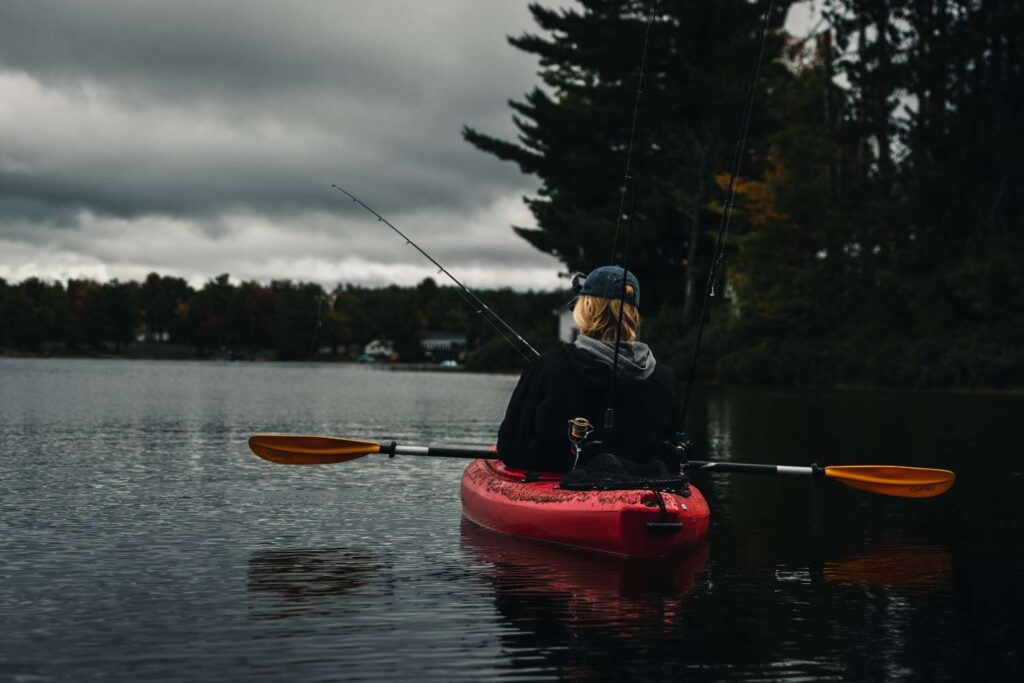
First reaction:
“This feels harder than paddling.”
Problem wasn’t the system.
It was:
- seat slightly too far back
- cadence too fast
- rudder not centered
- no rhythm control
We adjusted three things:
Seat forward. Slow cadence. Reset rudder.
Same kayak.
Completely different feel:
“Now it’s smooth.”
Fin System vs Prop System (Real-World Difference Table)
This is where most confusion happens.
| Feature | Fin Drive (Hobie-style) | Prop Drive (Old Town-style) |
| Movement feel | Smooth gliding motion | More direct push feel |
| Efficiency | Very high in open water | Strong in mixed conditions |
| Weed/shallow water | Can snag in heavy vegetation | Handles mixed water better |
| Reverse control | Limited | Very strong advantage |
| Learning curve | Slightly harder at start | Easier for beginners |
| Noise level | Very quiet | Slight mechanical sound |
| Best use case | Open water fishing, long glide | Structure fishing, tight control |
Simple takeaway:
- Fin system = glide efficiency
- Prop system = control flexibility
Neither is “better” overall — just different fishing styles.
Two Anglers. Same Kayak Type. Totally Different Outcome
This is where real-world difference shows.
Team A (Struggled Trip)
- uneven pedaling rhythm
- poor seat alignment
- gear loaded unevenly
- constant steering correction
Result:
- kayak drifting
- fast fatigue
- fishing focus lost
- early exit
Their line:
“We’re fighting the kayak.”
Team B (Smooth Trip)
- seat aligned before launch
- balanced gear setup
- steady cadence
- minimal steering corrections
Result:
- stable tracking
- longer fishing session
- better positioning near structure
- low fatigue
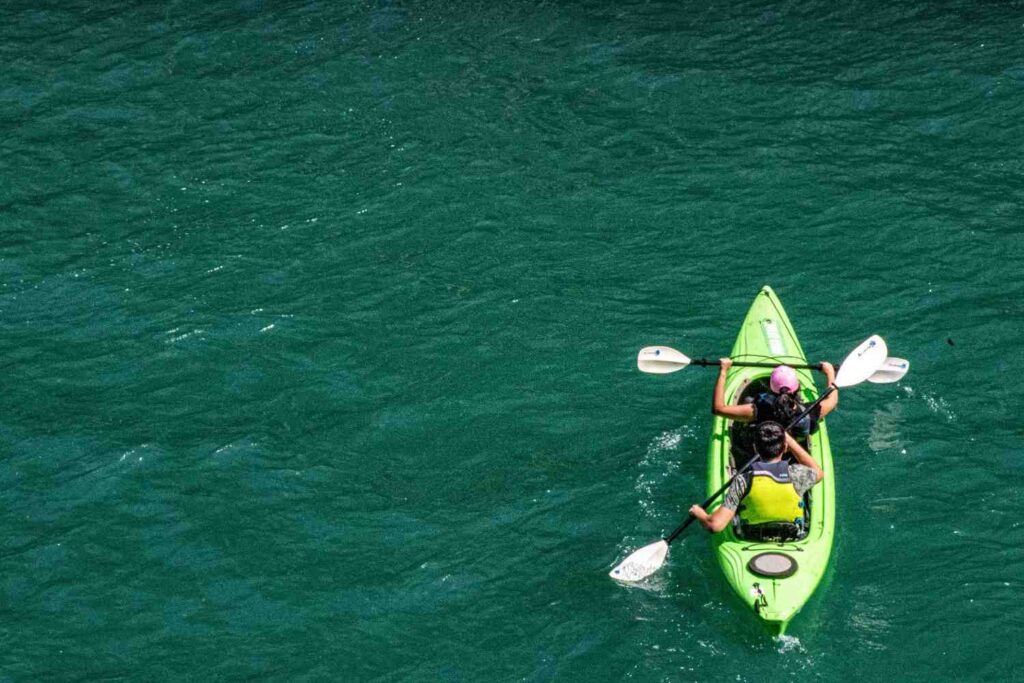
Same water. Same conditions.
Setup made the difference.
Price Reality (No Marketing Talk)
Real ranges you’ll actually see:
Budget: $800 – $1,400
Mid-range: $1,500 – $2,800
Premium: $3,000 – $5,000+
Important truth:
Budget kayaks don’t fail instantly — they fail under long fishing pressure.That’s why learning how to pick the perfect kayak for fishing is important before choosing a setup that can handle real on-water conditions.
Short trips hide problems. Long sessions expose them.
Recommended Fishing Kayaks With Pedal Drive
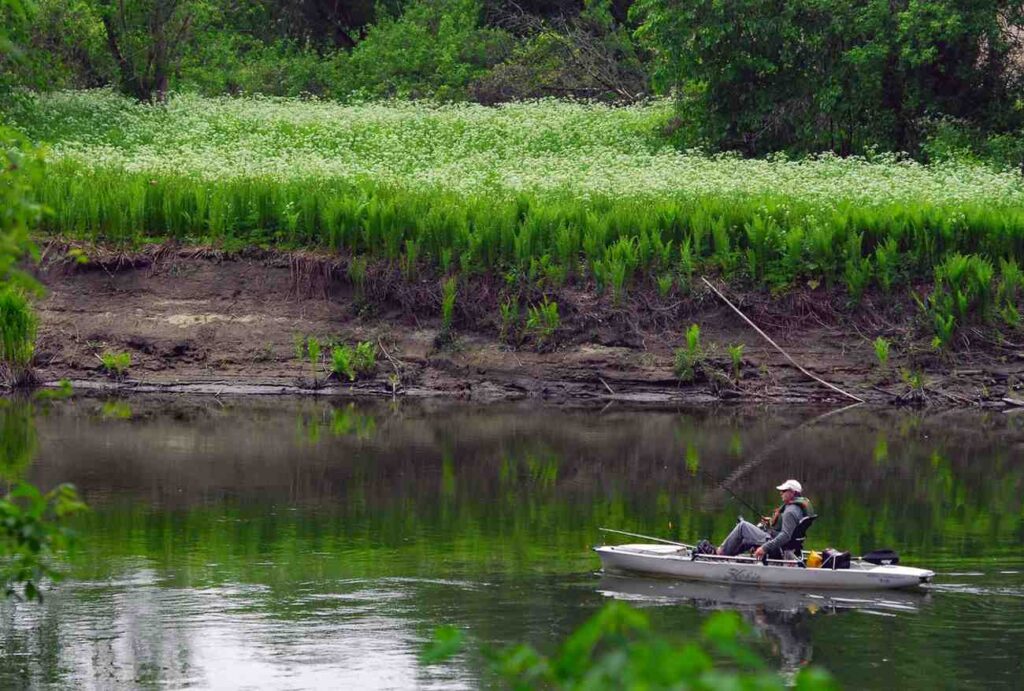
Hobie Mirage Compass
Price: ~$3,500 – $4,500
Why it works:
- ultra-smooth fin drive feel
- excellent glide efficiency
- strong fishing stability
- predictable tracking
Weak point:
Price + weed sensitivity.
Best for premium open-water fishing control.
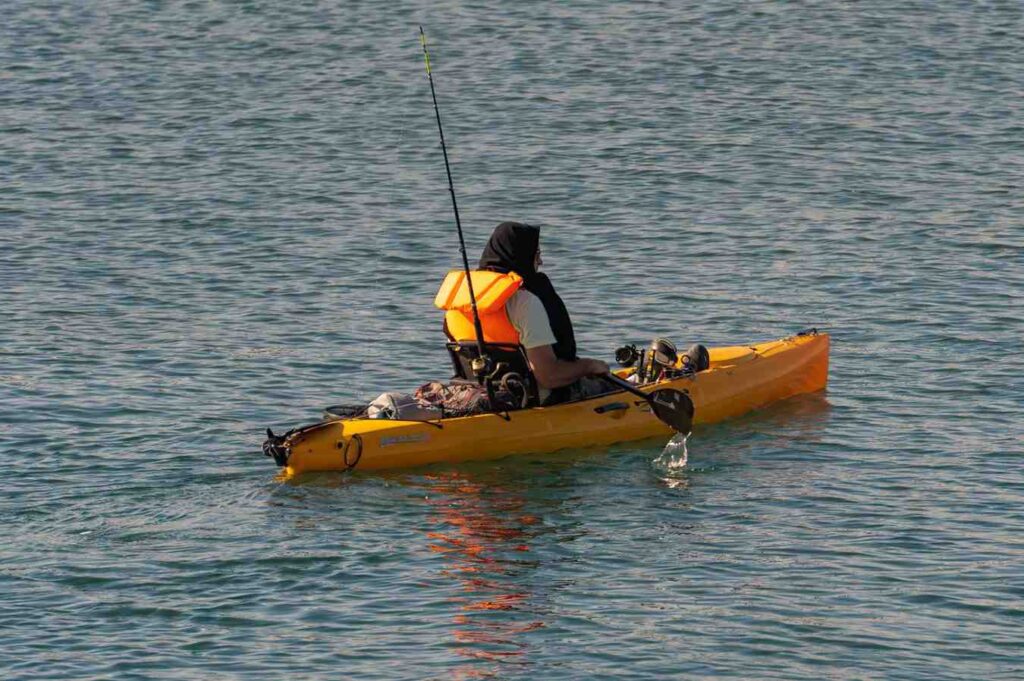
Old Town Sportsman PDL Series (106 / 120)
Price: ~$2,500 – $3,800
Why it works:
- prop drive gives strong directional control
- easy reverse function
- very stable fishing platform
- beginner friendly steering
Weak point:
Slight drag in shallow vegetation zones.
Best all-round fishing pedal kayak system.
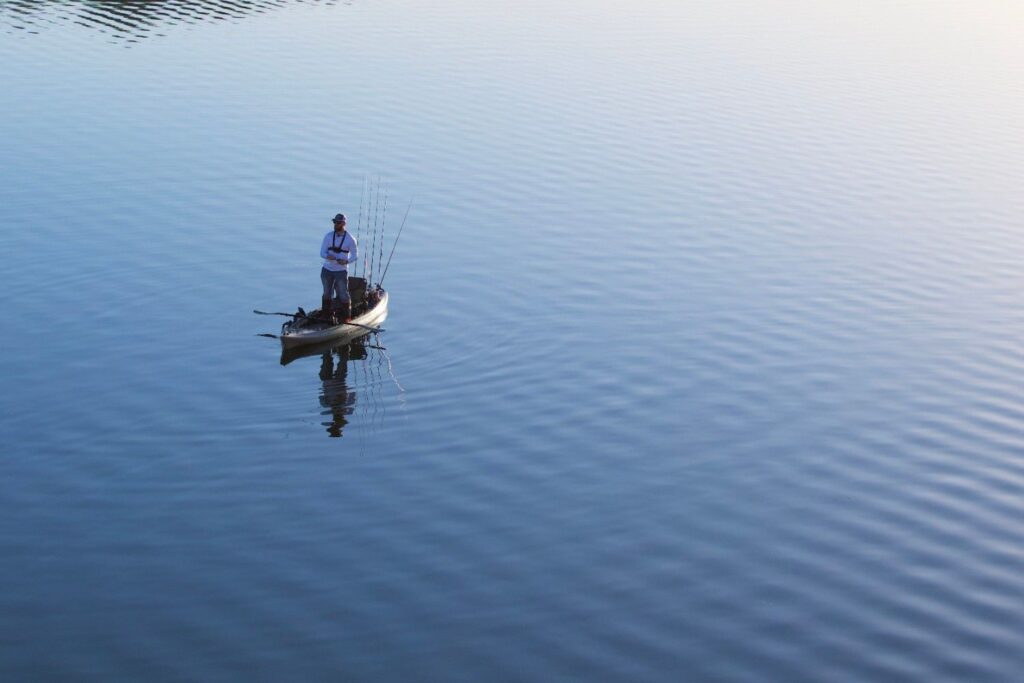
Perception Pescador Pilot 12
Price:~$1,800 – $2,500
Why it works:
- balanced mid-range performance
- stable hull design
- easier learning curve
- decent tracking
Weak point:
Less refined efficiency under heavy load.
Best mid-range entry point.
Budget Option (Entry Level Pedal Kayaks)
Price: ~$900 – $1,400
Why it works:
- affordable entry into pedal fishing
- stable enough for calm lakes
- simple mechanics
Weak point:
Efficiency drops in long sessions.
Best for testing pedal fishing before upgrading.
Cadence Control (Most Important Skill Nobody Talks About)
Pedaling is not “constant speed.”
That’s the mistake.
Real control looks like this:
- slow steady cruise while searching
- short bursts for repositioning
- pause during casting accuracy
- restart only after stabilizing direction
Think rhythm, not speed.
The 3-Count Sync Method (Game-Changer Technique)
This is what separates smooth anglers from struggling ones.
When starting or correcting drift:
- both anglers pause pedaling
- one person leads count
- restart together on signal
Pattern:
“1… 2… 3… GO”
Then both resume pedaling together.
Why it works:
- resets rhythm instantly
- removes uneven pressure
- stabilizes tracking quickly
This is especially powerful in wind or tandem setups.For anglers who fish with a partner, a 2 person fishing kayak with pedals can make coordination and control much more efficient on the water.
Why Kayak Keeps Turning Without Warning
Common causes:
- uneven leg pressure
- rudder slightly off center
- wind catching seat or gear
- over-correction response
Fix:
Stop correcting immediately. Reset cadence first.
Most people make it worse by over-steering.
Heat + Fatigue Factor
Pedal systems keep your legs active all the time.
That creates:
- silent fatigue buildup
- seat heat retention
- hydration drop without noticing
- slower reaction time
Simple fixes:
- light seat padding
- planned short breaks
- hydration discipline
- avoid over-tight foot straps
Over-tight straps can reduce comfort and control over long sessions. Choosing the right kayak accessories helps improve fit, comfort, and overall paddling efficiency.
Common Mistakes
- treating pedal kayak like a bicycle
- ignoring seat alignment
- uneven gear loading
- constant steering correction
- choosing kayak only by price
Focusing only on price often leads to missing important features like stability, storage, and performance. That’s why a proper fish finding setup becomes important when planning a more serious and functional fishing kayak system.
Biggest one:
thinking the kayak will handle rhythm for you. It won’t.
FAQ
Which is better: fin or prop pedal system?
Fin is smoother glide. Prop is better control in mixed conditions.
What budget should I plan for a good pedal kayak?
Minimum $1,500+ for reliable fishing performance.
Are pedal kayaks good for beginners?
Yes, especially prop systems with stable hulls.
Biggest mistake?
Wrong seat setup + no cadence control.
Final Thought
A fishing kayak with pedal drive isn’t about movement.
It’s about control under constant motion.
When seat, rhythm, and system align — it disappears under you.
And fishing becomes the only thing left in focus.