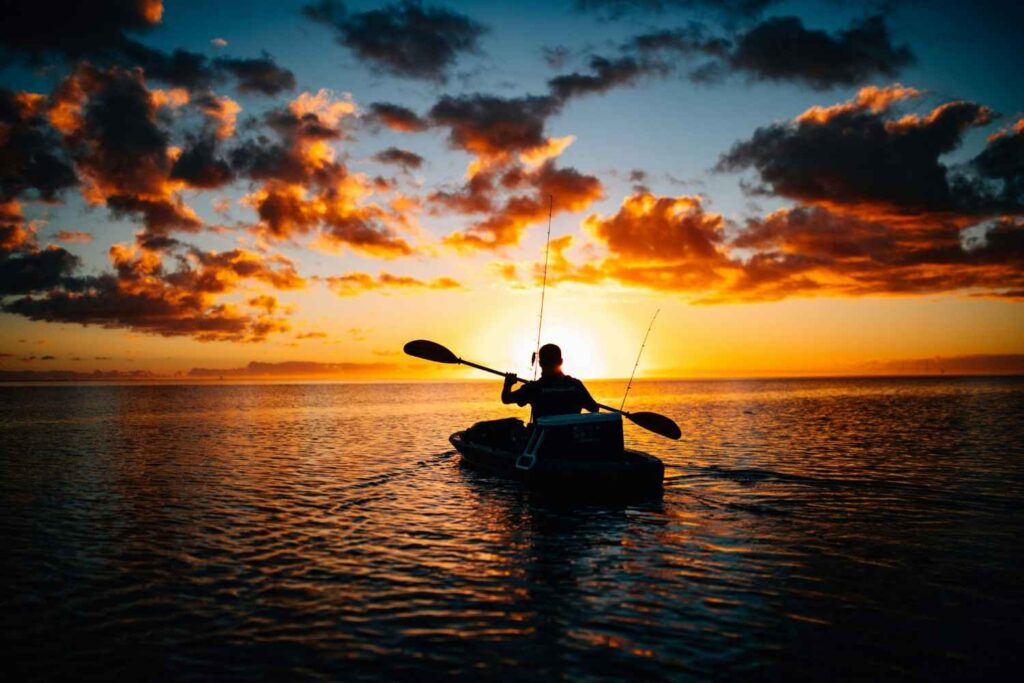
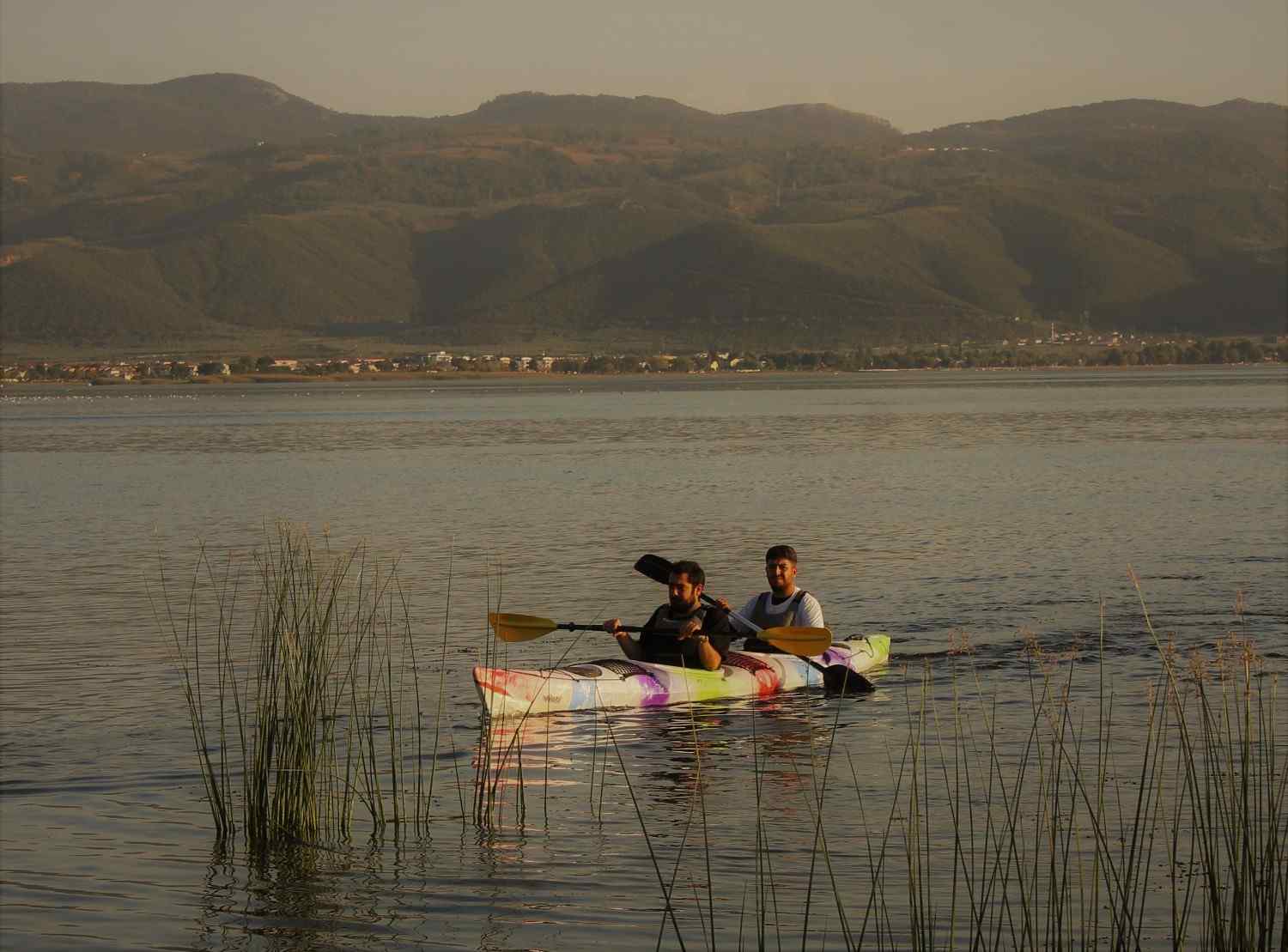
Yeah… this one looks simple until you actually put two anglers on one pedal kayak.
On paper: double power, double fishing.
On water: balance drift, rhythm mismatch, seat fatigue, heat buildup, and that constant “why are we turning again?” moment.
I’ve seen it enough times to know exactly where it breaks.
First Thing First: What a 2 Person Pedal Kayak Really Is
It’s not a long kayak with extra seats.
It’s a shared movement system that only works when both bodies behave like one unit.
What actually matters:
- center balance (non-negotiable)
- synchronized pedaling rhythm
- seat symmetry
- hull tracking stability
- equal load distribution
And here’s the mistake:
Two-person kayak does NOT double performance. It doubles coordination needs.
The #1 Problem in Tandem Pedal Kayaks
Not speed.
Not power.
It’s micro-desync in pedaling + weight shift timing.
What happens:
- one person pushes slightly harder
- kayak starts drifting angle
- second person over-corrects
- rhythm breaks completely
Now you’re not fishing anymore.
You’re steering constantly.
A Real Situation I Still Remember
Two anglers, calm lake, perfect weather.
First 10 minutes felt smooth.
Then one guy reached back for gear.
Tiny shift.
That alone changed balance.
Then wind added pressure.
Now both were adjusting constantly:
- pedal timing broke
- steering corrections increased
- fishing focus disappeared
One of them finally said:
“We’re working the kayak more than fishing.”
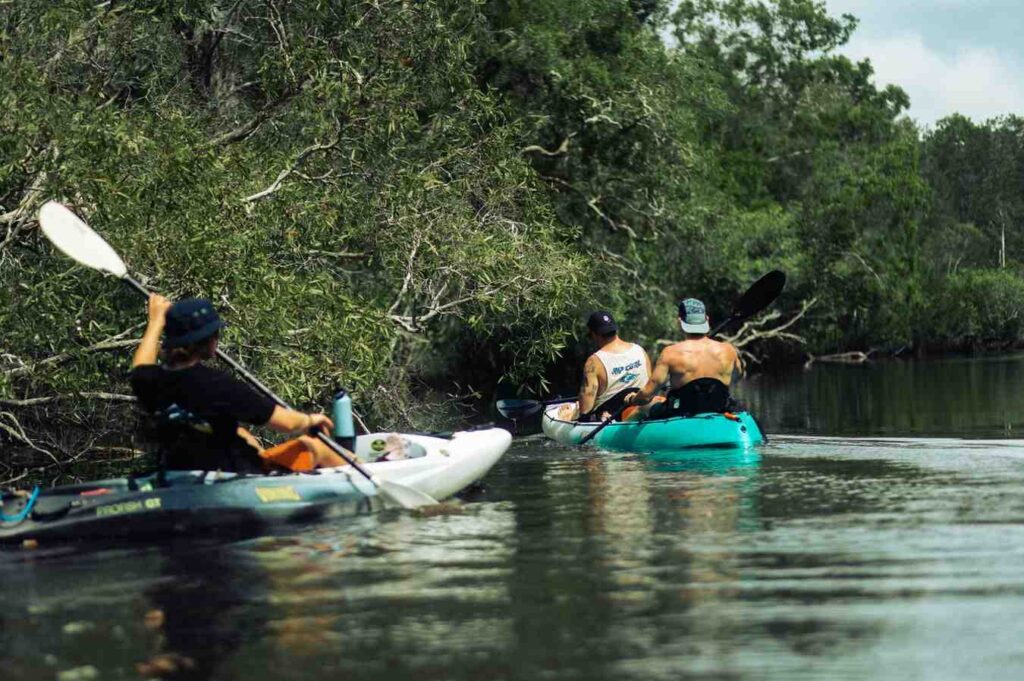
That line says it all.
Summer Heat Reality (Tandem Makes It Worse)
Two anglers. One platform. No airflow gap.
Now add heat.
Things get heavy fast:
- seat foam traps body heat on both sides
- limited air movement between anglers
- posture fatigue increases faster
- coordination drops as fatigue rises
Simple truth:
Heat doesn’t just make you uncomfortable — it breaks sync faster.
Quick fixes:
- breathable seat covers
- light-colored padding
- short shade breaks every hour
- avoid thick foam cushions in peak summer
The #1 Thing Most People Miss
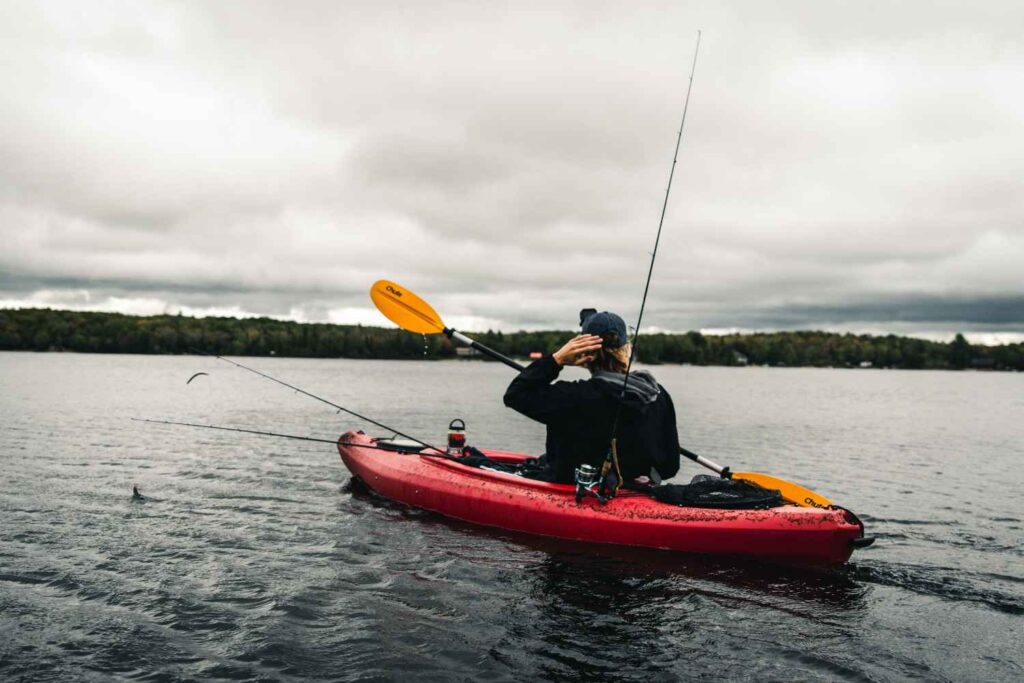
It’s not pedal strength.
It’s rhythm control under shared balance pressure.
If rhythm breaks:
everything else becomes harder instantly.
What Actually Makes a Good 2-Person Pedal Kayak
Forget marketing terms.
Look for:
- wide tunnel hull stability
- independent or balanced pedal drives
- adjustable seat alignment
- strong straight tracking keel
- high weight buffer
If carrying extra gear or staying well below the limit matters to you, exploring what kayak has the highest weight capacity can help you choose a setup with more room and better stability.
Simple rule:
If it doesn’t track straight solo, it won’t behave under dual load.
Seat Reality (This Controls Everything)
Seats decide coordination more than pedals.
You need:
- equal seat height
- adjustable spacing
- strong lumbar support
- enough elbow room for casting
Even small imbalance creates rhythm drift automatically.The right kayak accessories can help improve comfort and organization, but keeping your setup balanced matters just as much for smoother movement on the water.
Best 2 Person Fishing Kayaks With Pedals (Balanced Picks)
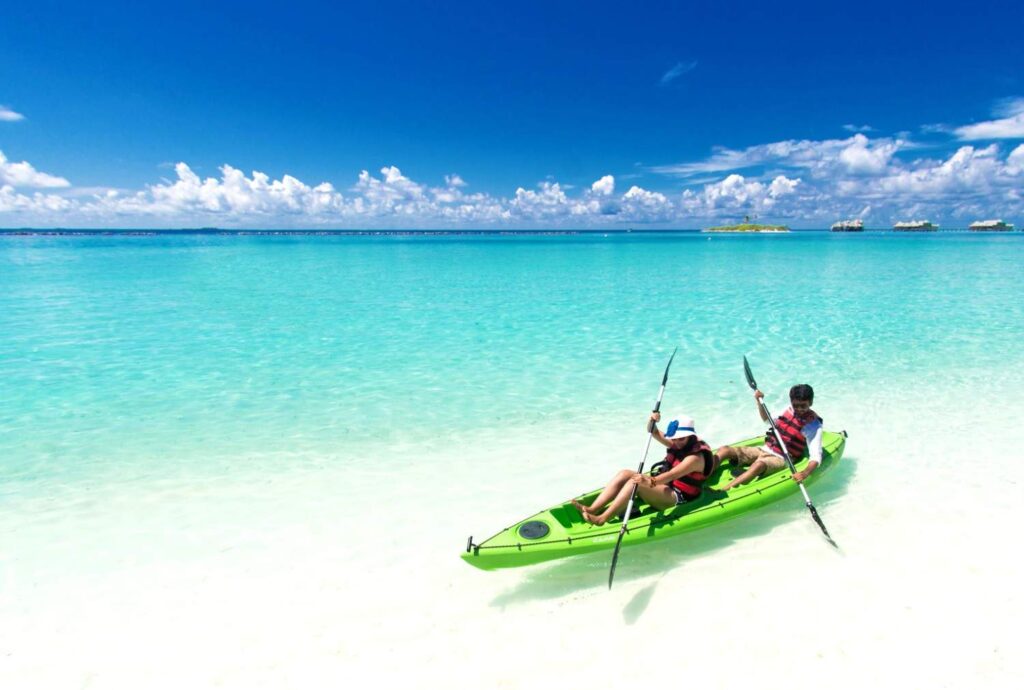
Hobie Mirage Compass Duo
Price: ~$3,500–$4,500
Length: ~13–14 ft
Capacity: ~600+ lbs
Why it works:
- independent MirageDrive systems
- smooth synchronization control
- excellent hull stability
- predictable tracking
Weak point:
Expensive and heavy.
Best for serious anglers who want precision tandem control.
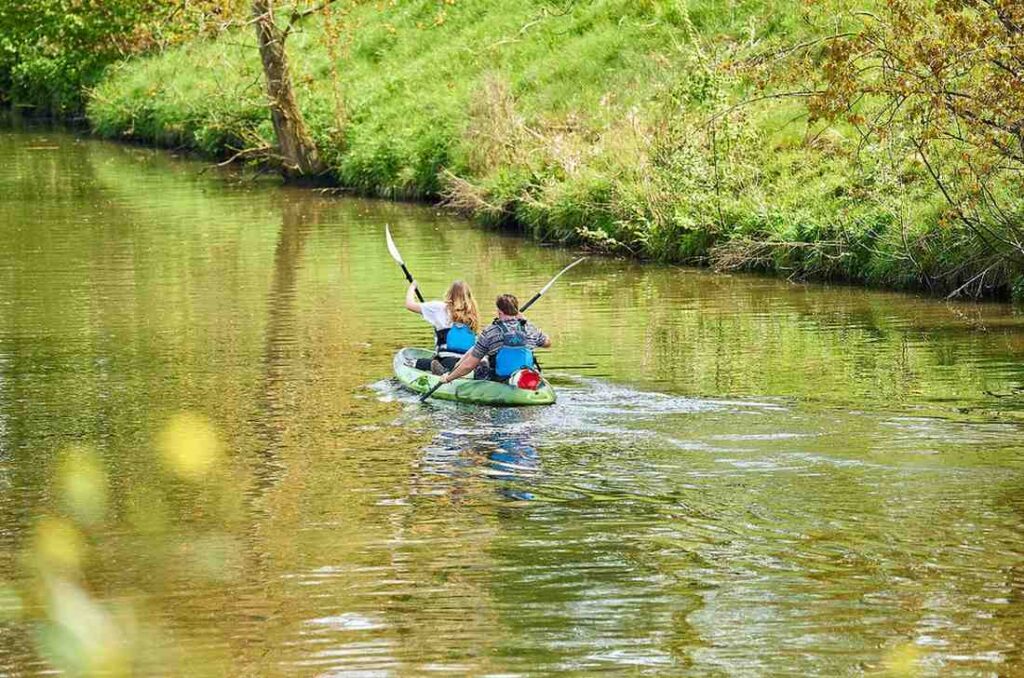
Old Town Sportsman BigWater 132 PDL Tandem
Price: ~$4,000+
Length: ~13 ft
Capacity: ~650–700 lbs
What stands out:
- extremely stable fishing platform
- strong tracking under load
- handles gear + anglers easily
- solid pedal response
Summer note:
Seat area heats up faster in long sessions.If long-term comfort matters, especially for larger anglers, choosing the best fishing kayak for big guys can make a noticeable difference in seat support and overall comfort.
Best for heavy-duty all-day fishing trips.
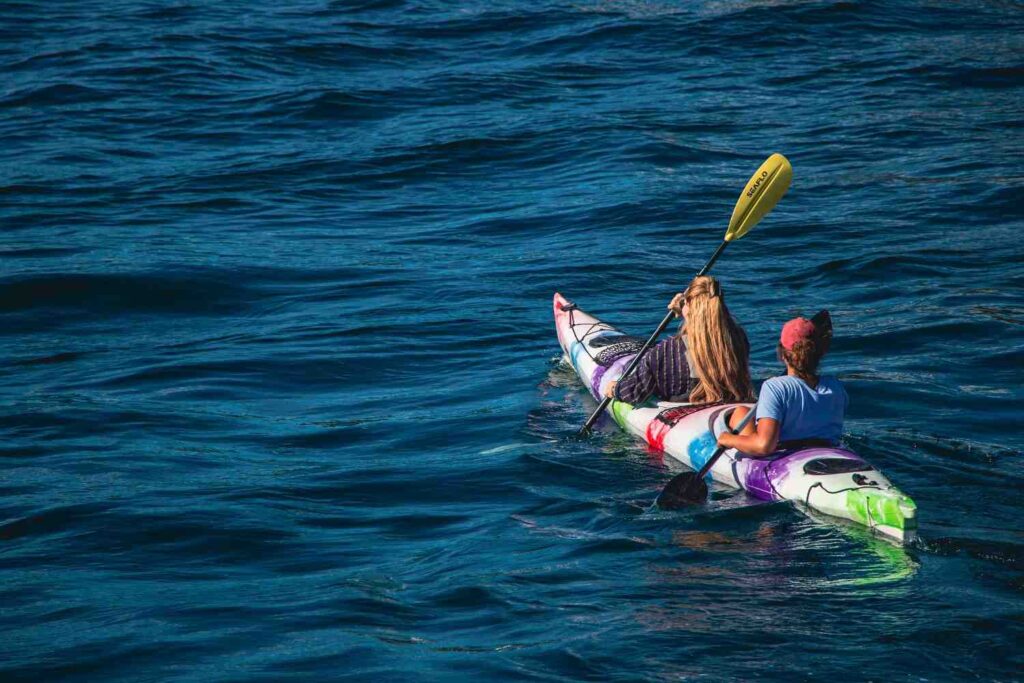
FeelFree Lure II Tandem (Mid-Range Sweet Spot)
Price: ~$1,800–$2,500
Length: ~13.5 ft
Capacity: ~550–600 lbs
This is the missing balance point.
Why it matters:
- better comfort than budget kayaks
- stable enough for moderate chop
- easier control for mixed experience anglers
- more forgiving when rhythm is imperfect
Real feel:
Not premium-level precision…
But far easier to handle than entry-level tandems.
Best mid-range choice for most anglers.
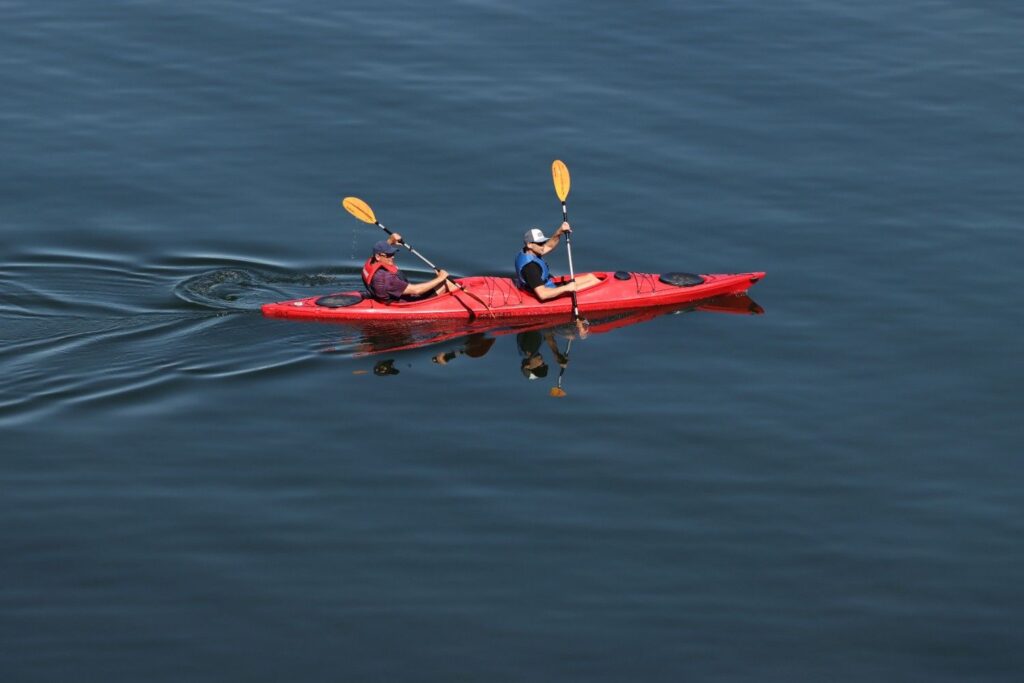
Perception Tribe 13.5 Tandem (Budget Explanation Expanded)
Price: ~$900–$1,300
Length: ~13.5 ft
Capacity: ~500–600 lbs
Here’s the real reason it’s “not a high-efficiency pedal system”:
- basic pedal mechanics (less optimized power transfer)
- hull flex slightly reduces energy efficiency under load
- tracking keel is shallow → small steering errors amplify
- seat spacing limits perfect rhythm alignment
Result:
It works fine casually…
But under continuous dual pedaling, energy loss becomes noticeable.
Best for beginners or occasional tandem fishing.
A Success Story (When Everything Locks In)
Same lake. Same wind.
Three setups tested over time.
Budget team:
- uneven pedaling
- seat mismatch
- heat fatigue
- early exit
Mid-range team:
- better seat balance
- improved rhythm control
- manageable heat load
- longer fishing session
Premium team:
- perfect synchronization
- smooth tracking
- stable seating
- stayed out even in wind increase
Difference wasn’t strength.
It was coordination stability under real conditions.
The Coordination Trick That Actually Works (Most Important Part)
This is the part most people never use properly.
When two anglers start pedaling, they don’t naturally sync.
So you force rhythm using a simple system:
The 3-Count Sync Method
Before moving:
- both anglers sit ready
- one person becomes the “timer”
- start pedaling on a shared count
Pattern:
“1… 2… 3… GO”
Then both start pedaling on “GO”.
After that:
- maintain natural rhythm
- if drift starts, reset with a quick “pause + 3-count”
- don’t fight corrections while moving
This prevents the biggest problem:
one person unknowingly overpowering the rhythm.
Simple Communication System (Game Changer)
Instead of constant talking or correcting:
Use 3 signals only:
- “LEFT” → slight steering correction
- “RIGHT” → opposite correction
- “RESET” → stop, re-sync, 3-count restart
That’s it.
No overcommunication.
No confusion.
Just clean control.
Common Mistakes
- assuming double pedals = double efficiency
- ignoring seat alignment
- uneven gear loading
- skipping synchronization practice
- not managing heat fatigue
- over-correcting each other while moving
Long sessions become much harder when comfort starts breaking down. Learning how to pick the perfect kayak for fishing can help you choose a setup that stays comfortable and practical for extended time on the water.
Biggest one:
thinking kayak handles coordination for you. It doesn’t. It exposes it.
FAQ
Are 2 person pedal kayaks hard to control?
Only when rhythm and seating are not aligned.
What is the best 2 person fishing kayak with pedals?
Hobie Compass Duo and Old Town BigWater 132 PDL are top-tier options.
Is there a good mid-range option?
Yes, FeelFree Lure II Tandem offers the best balance of price and control.
Do tandem kayaks need coordination skills?
Yes, simple rhythm control makes a huge difference.If you plan to add powered movement later, understanding a proper kayak trolling motor setup can help improve efficiency and overall control on the water.
Biggest mistake?
Ignoring synchronization and seat alignment before fishing.
Final Thought
A 2-person pedal kayak is not about strength.
It’s about whether two anglers can become one rhythm system on water.
If coordination is right — everything feels smooth and controlled.
If it’s wrong — you spend your entire trip correcting movement instead of fishing.
That’s the real dividing line.