
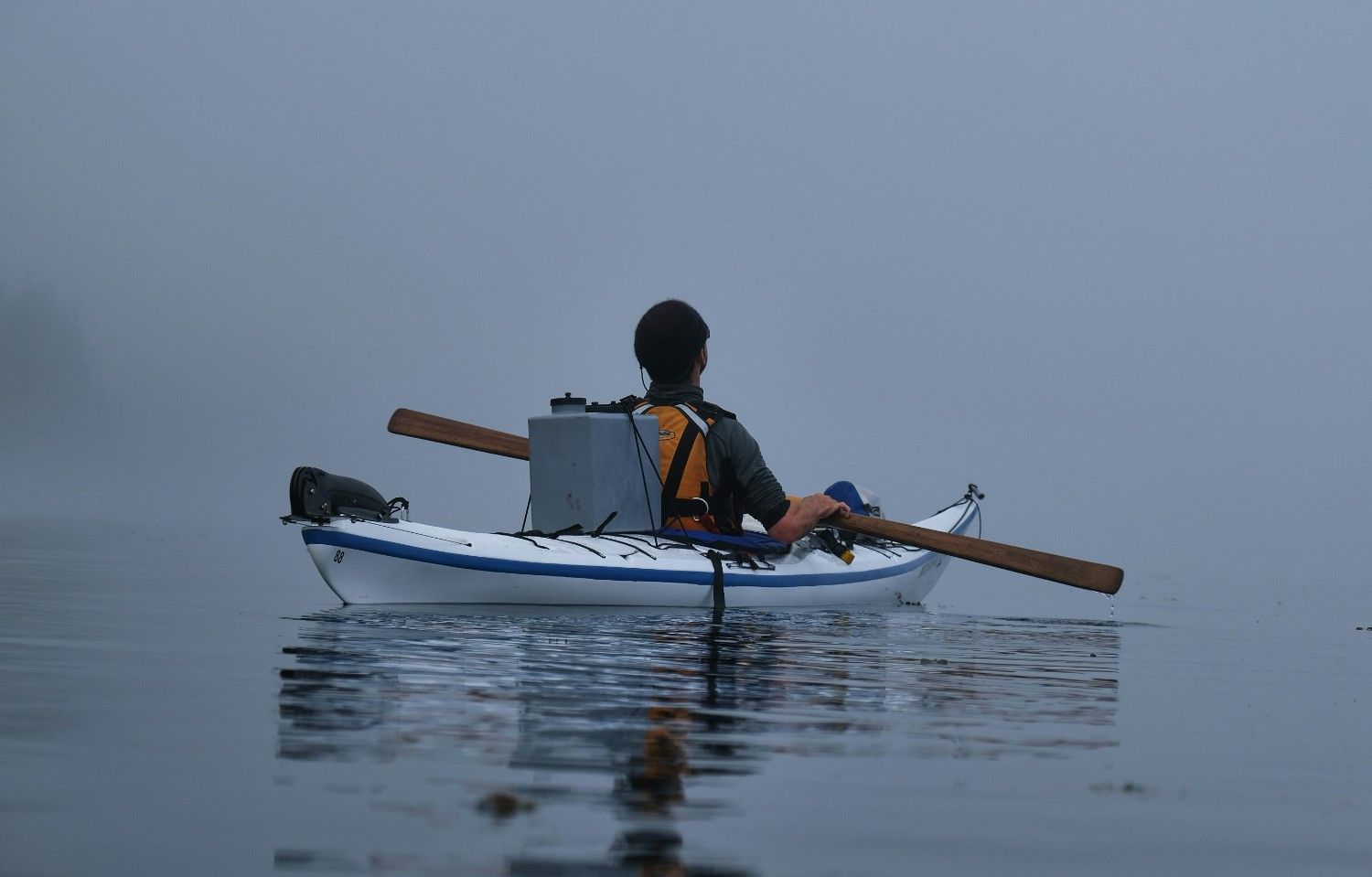
Yeah, this one confuses a lot of people.
You buy a fishing kayak thinking it’s simple.
Then someone mentions trolling motors… batteries… thrust ratings… mounts… wiring…
Suddenly it feels like you accidentally stepped into boat engineering.
Same pattern every time:
Excitement → confusion → overbuying → frustration → “why is this so complicated?”
Let’s strip it back.
First Thing First: What A Trolling Motor Actually Does on a Kayak
A trolling motor is just quiet electric push instead of paddling all day.
It simply moves your kayak forward while you focus on fishing.
Basic setup includes:
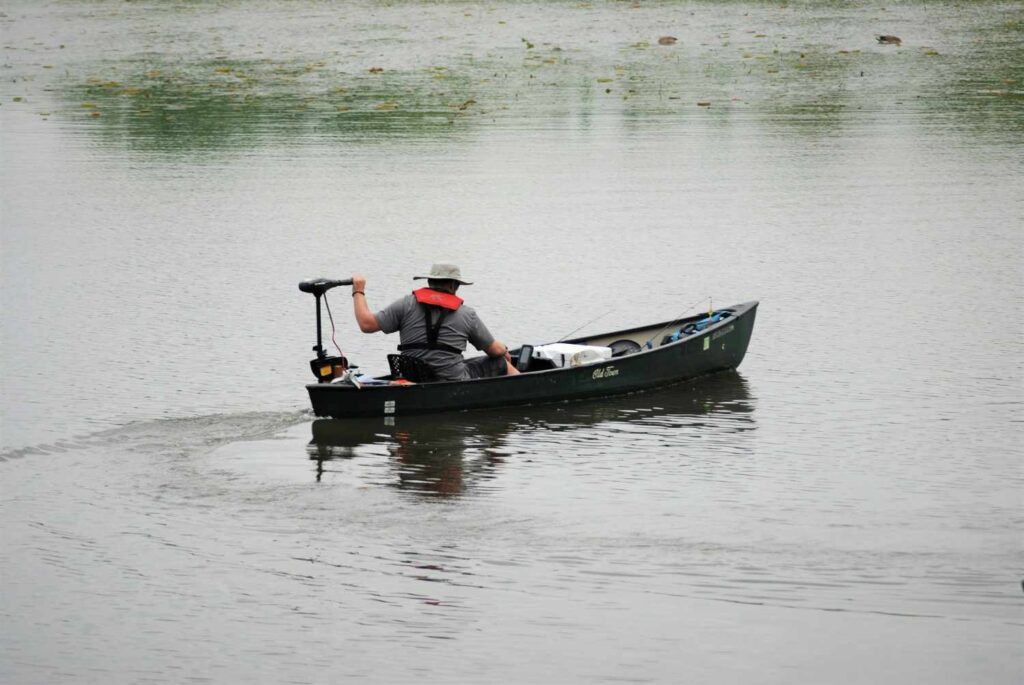
- electric motor (12V or 24V)
- battery
- mount (bow or transom)
- steering control
Where people go wrong:
They assume every kayak can handle it. It can’t.
The #1 Mistake People Make
They buy the motor first.
Then try to “make it fit.”
That’s backwards.
What happens:
- poor tracking
- unstable balance
- fast battery drain
- steering frustration
Kayak and motor must be planned together.
A Real Situation I Still Remember
Guy on a lake. Clean setup. Everything looked perfect.
Five minutes in, wind picked up slightly.
Nothing extreme.
But kayak started drifting sideways.
Reason?
Motor alignment was just a little off-center.
Tiny mistake.
Huge impact.
He spent more time correcting direction than fishing.
That’s trolling motors in real life:
small errors become big problems on water.

Do You Even Need A Trolling Motor?
You need it if:
- you fish large lakes
- wind is constant
- long distances are normal
- you fish structure-heavy areas
Not needed if:
- small ponds
- short trips
- lightweight fishing style
Truth most people miss:
Motor doesn’t improve fishing. It improves movement.If you’re considering adding one to your rig, understanding a proper kayak trolling motor setup can help you choose the right configuration for your fishing style.
Motor Types
Bow Mount
Better control, more stable tracking.
Transom Mount
Easier install, budget friendly.
Integrated Systems
Cleanest setup, most expensive.
Battery Reality (Most People Misjudge This)
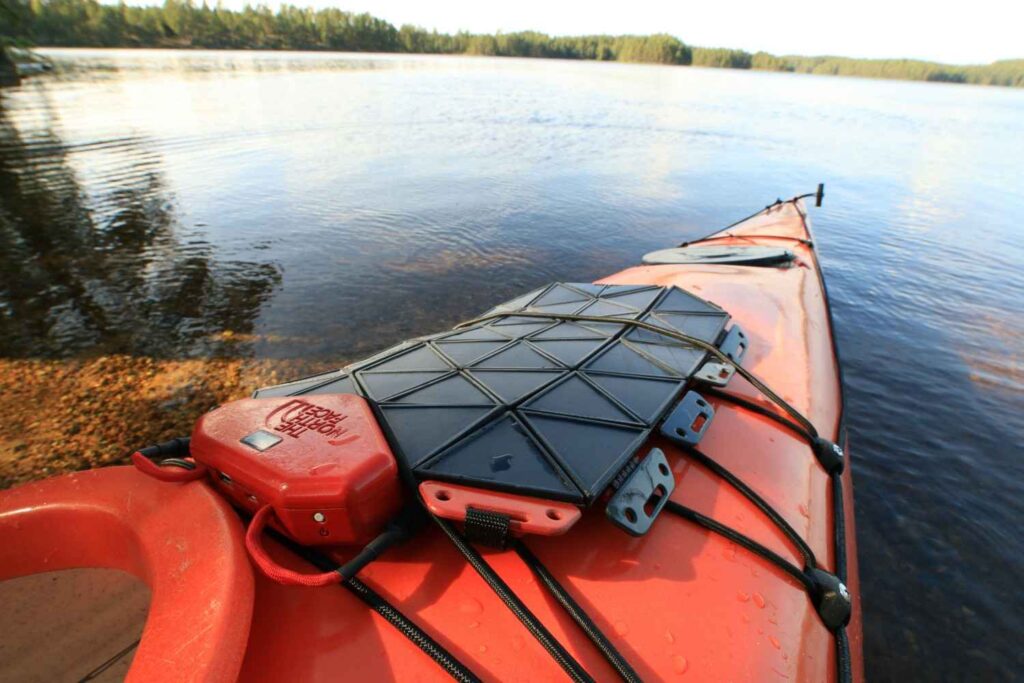
Battery is not “just power.”
It decides everything:
| Type | Weight | Runtime | Reality |
| Lead Acid | heavy | ok | tiring |
| AGM | medium | stable | old school |
| Lithium | light | best | expensive but worth it |
You feel battery weight more than motor power.That’s why planning a proper fish finding setup alongside your electronics matters, especially when balancing battery space and overall kayak weight.
Full Setup Cost (Realistic Beginner Breakdown)
People always underestimate this.
Here’s what a real trolling motor kayak setup costs:
- Trolling motor: $300 – $1,200
- Battery: $150 – $900
- Mount kit + wiring: $50 – $250
- Charger + accessories: $50 – $150
Total realistic setup:
Price: $600 – $2,500+
Premium setups can go higher.
Best Fishing Kayaks That Handle Trolling Motors Well
Old Town Sportsman BigWater PDL (Full Detail)
Price: ~$2,500–$3,500
Length: 12–13 ft
Build: Heavy-duty build
Capacity: High capacity
This is not just a kayak.
It’s a full fishing platform designed for power systems.
What makes it different:
- factory-level stability with motor load
- tracks straight even in wind
- handles heavy battery + gear easily
- pedal drive + motor combination works smoothly
Real-world feel:
You don’t fight the kayak.
You guide it.
Where it shines:
- big water fishing
- long lake runs
- heavy gear setups
Weak points:
- heavy transport
- expensive fully rigged setup
Best for serious anglers who want zero compromise stability.

Bonafide P127
Price: ~$1,900–$2,400
Length: 12’7″
Hull: Very stable hull
Capacity: High capacity
Pure stability platform.
- excellent DIY motor mounting base
- handles weight well
- stable in chop
But heavy once loaded.
Best for custom builders.
Perception Outlaw 11.5 (Budget Motor-Friendly Entry Platform)
Price: ~$900–$1,200
Length: 11’6″
Weight: ~77 lbs
Capacity: ~425 lbs
This is where most people start experimenting with trolling motors without spending big money.
It’s not built as a motor kayak, but it works well if you keep the setup simple.
The real strength is wide open deck + natural stability.
Good stuff:
- wide deck makes DIY motor mounting easy
- very stable for its price range
- rear tankwell fits battery + gear cleanly
- beginner-friendly handling
- forgiving in calm water
Here’s what people don’t realize:
This kayak doesn’t hide mistakes.
It shows them instantly.
Bad battery placement? You’ll feel tracking issues.
Wrong motor alignment? You’ll feel drift immediately.
That sounds negative, but it actually helps beginners learn fast.
Another thing worth knowing:
It performs best when you don’t overload it. Keep setup clean and it behaves surprisingly well for small lakes and slow fishing zones.
Weak spots:
- no factory motor integration
- slower in wind compared to longer kayaks
- loaded setups feel sluggish
Best for beginners who want a low-risk entry into trolling motor fishing.
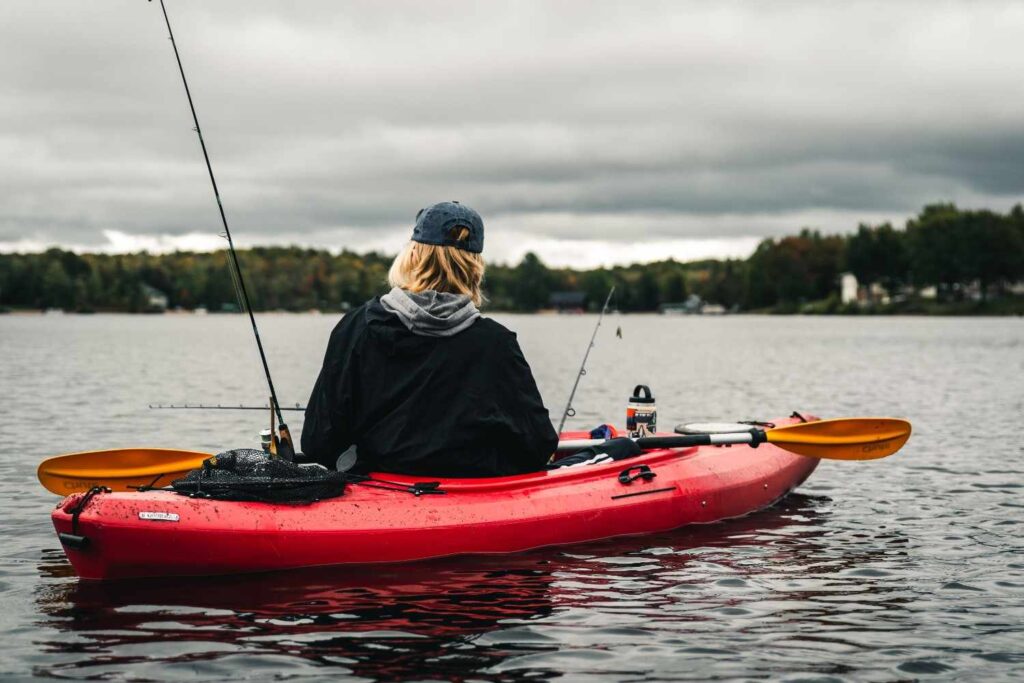
A Success Story (Balanced Reality)
Not every motor story is about problems.
I’ve seen anglers completely change their fishing game.
One guy on a windy reservoir used a properly balanced motor setup on a Bonafide-style kayak.
Before motor:
- constantly drifting
- tired after short sessions
- limited to shoreline fishing
After motor:
- held structure spots for hours
- covered more water
- actually planned fishing instead of reacting to wind
He said something simple:
“Now I fish spots, not just water.”
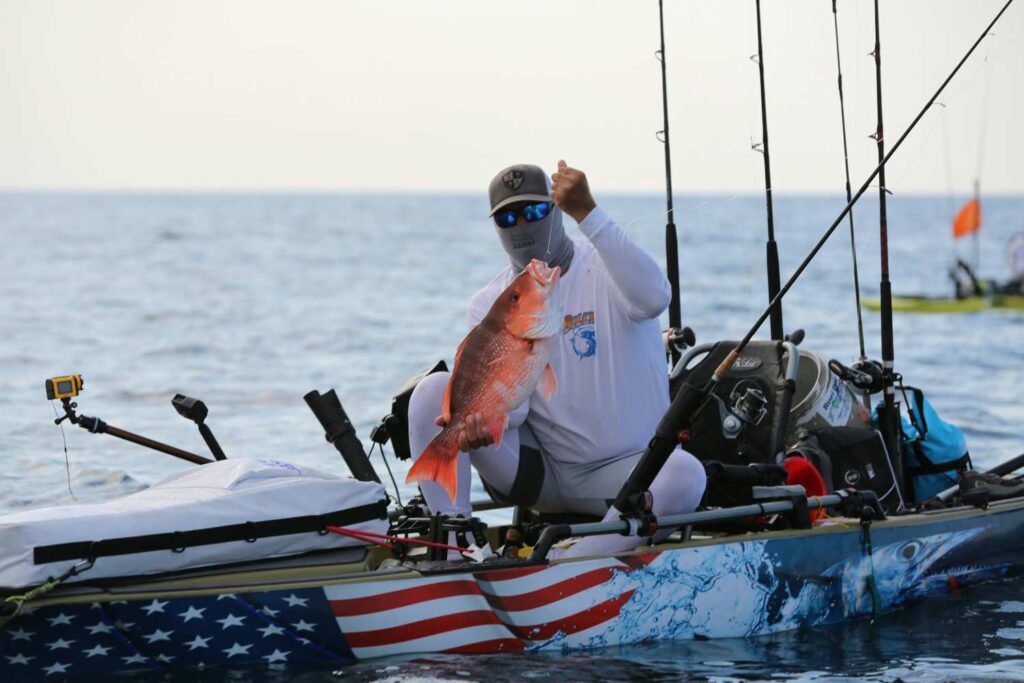
That’s the real upside when setup is right.
The Weird Thing About Motor Kayaks
Motor doesn’t make fishing easier.
It makes bad setup obvious faster.
But when everything is balanced?
It feels like control instead of effort.
Simple Installation Logic
- stable mount first
- center weight properly
- test in calm water
- adjust before real trip
Simple beats complicated.When building your setup, choosing the right kayak accessories often matters more than adding unnecessary gear.
Common Mistakes
- buying motor before kayak
- weak mounting system
- bad battery placement
- skipping test runs
- overloading kayak
- wrong motor size
Many beginners rush into upgrades too early, but practical things matter more than most people expect. That’s why learning how to transport a kayak before adding extra weight and gear can save you a lot of frustration later.
Biggest mistake:
thinking motor fixes kayak choice.
FAQ
Do I need a trolling motor for kayak fishing?
Only if wind, distance, or fatigue limits your fishing time.
Can every kayak handle a trolling motor?
No. Stability and structure matter a lot.That’s exactly why learning how to pick the perfect kayak for fishing matters before choosing a setup that doesn’t match your fishing style.
How fast is a kayak with trolling motor?
Usually 3–5 mph depending on load and wind.
What’s the biggest hidden cost?
Battery system. Most beginners underestimate it.
Is it worth it?
Yes—if kayak and motor are properly matched.
Final Thought
A trolling motor doesn’t replace paddling skill.
It replaces wasted energy.
When kayak, motor, battery, and balance all line up, it stops feeling like gear and starts feeling like control.
And that’s when fishing actually changes.