
Quick Answer
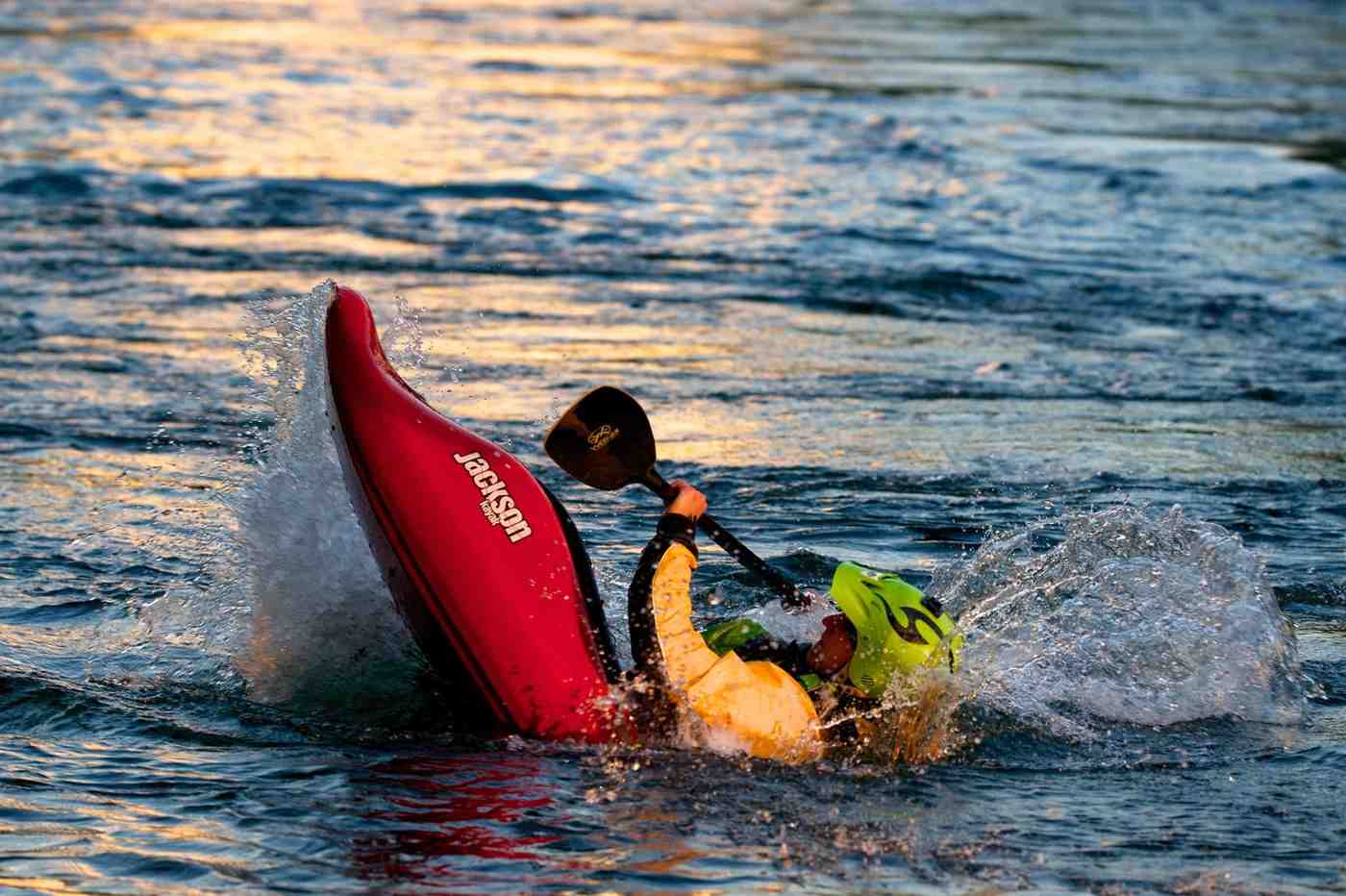
If your kayak flips, stay calm, stay with your kayak, and flip it upright before trying to climb back in. Most recreational sit-on-top kayaks can be rolled upright with one strong pull from the side. Sit-inside kayaks usually need to be emptied or partially drained before they’re easy to re-enter.
That sounds simple.
The hard part is that nobody thinks clearly the first time they end up in the water.
I’ve seen grown adults panic in waist-deep lakes. I’ve also watched teenagers calmly flip a kayak over in rough water because they’d practiced it before.
The difference wasn’t strength.
It was preparation.
Why Most People Struggle After a Capsize
The kayak usually isn’t the problem.
Panic is.
The moment cold water hits your face, your brain starts shouting that something has gone terribly wrong.
Heart rate jumps.
Breathing speeds up.
People immediately try climbing onto an upside-down kayak instead of flipping it first.
I’ve seen it hundreds of times.
The first thing I tell every new paddler is simple.
Your kayak still floats even when you’re swimming. Use it. Don’t fight it.That’s an important point to remember when asking is kayaking safe for non swimmers, because your kayak and a properly fitted PFD are valuable flotation aids that can help you stay calm while getting back to safety.
Team A vs. Team B
Before talking about recovery techniques, figure out which situation matches yours.
| Situation | Team A | Team B |
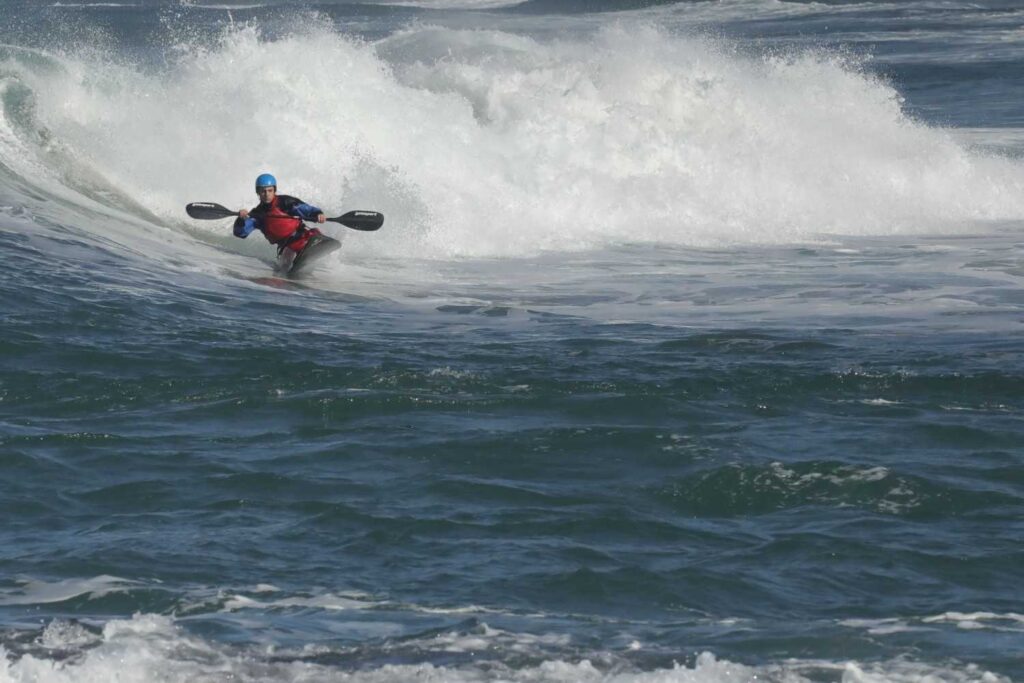
| Water Conditions | Calm lake or slow river | Wind, waves, or moving current |
| Kayak Type | Sit-on-top | Sit-inside |
| Recovery Difficulty | Easier | More challenging |
| Best Option | Flip and climb back on | Flip, drain water if possible, then re-enter |
Both situations are manageable.
One simply requires a little more practice.
The First 30 Seconds Matter More Than Anything Else
Every successful recovery starts with the same priorities.
Not climbing back in.
Not grabbing your paddle.
Not worrying about your fishing gear.
Those things come later.
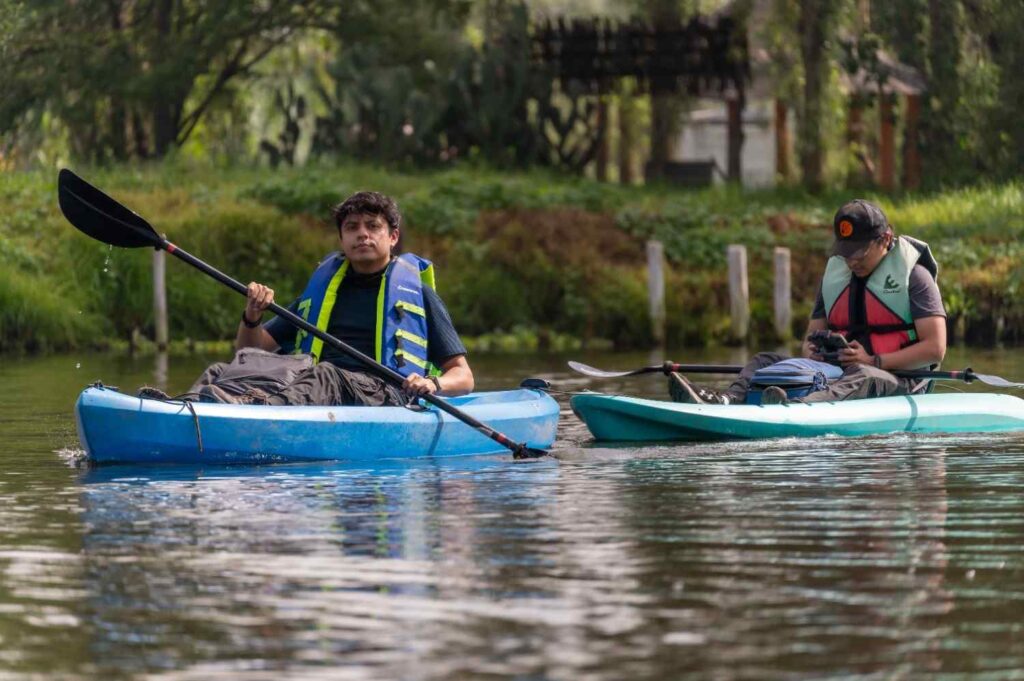
Focus on these first.
- Take one slow breath.
- Make sure your life jacket is secure.
- Stay with your kayak.
- Check that everyone in your group is okay.
- Look around for boats, rocks, or fast current.
A secure fit is just as important as wearing one in the first place, which is why choosing the best kayak life jacket for women or any properly fitted PFD improves both comfort and safety every time you paddle.
Notice what’s missing?
Nobody is rushing.
The biggest mistake beginners make is trying to fix everything at once.
Slow down.
A calm paddler almost always makes better decisions.
Flipping a Sit-On-Top Kayak Back Upright
This is the easiest recovery because these kayaks don’t trap much water.
Stand or float beside the kayak.
Reach across to the far edge of the hull.
Pull the opposite side toward you while pushing slightly upward.
Instead of lifting the entire kayak, you’re rolling it over its centerline.
Think about rolling a bicycle onto its wheels.
You don’t deadlift it.
You rotate it.
Most sit-on-top kayaks roll upright surprisingly easily once you use that motion.
Once it’s upright, keep one hand on the kayak.
Don’t let it drift away while you’re catching your breath.
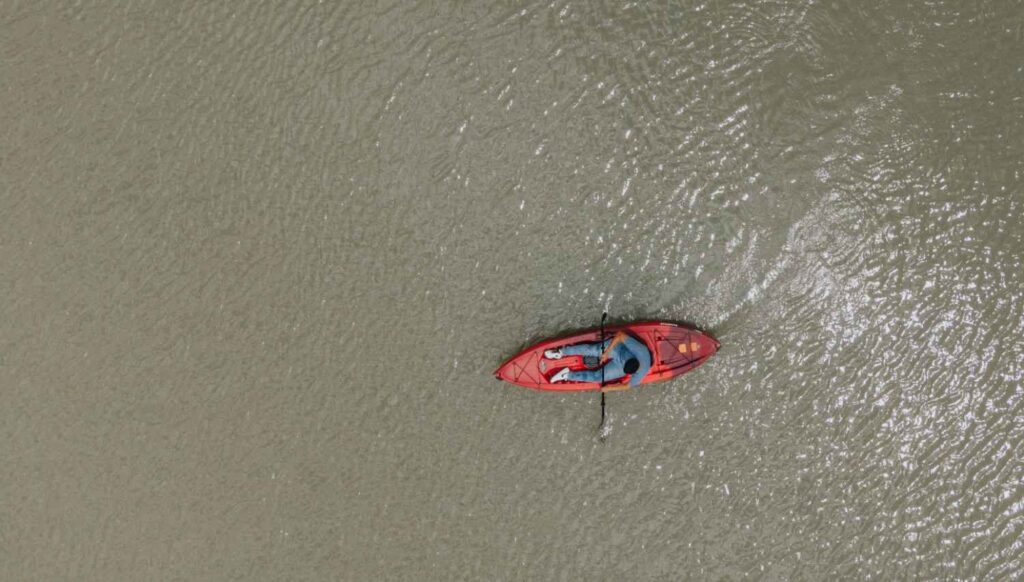
Flipping a Sit-Inside Kayak Takes More Work
Here’s where beginners get frustrated.
A sit-inside kayak usually fills with water after a capsize.
That extra weight changes everything.
You’ll still roll the kayak upright the same way, but climbing back inside becomes much harder if the cockpit is full.
Whenever possible, move toward shallow water or ask a paddling partner to stabilize the kayak while you remove some of the water.
If you’re paddling alone in deep water, a paddle float or self-rescue technique becomes much more useful.
That’s why I encourage every sit-inside owner to practice re-entry before they actually need it.
Learning for the first time during an emergency is never the plan.
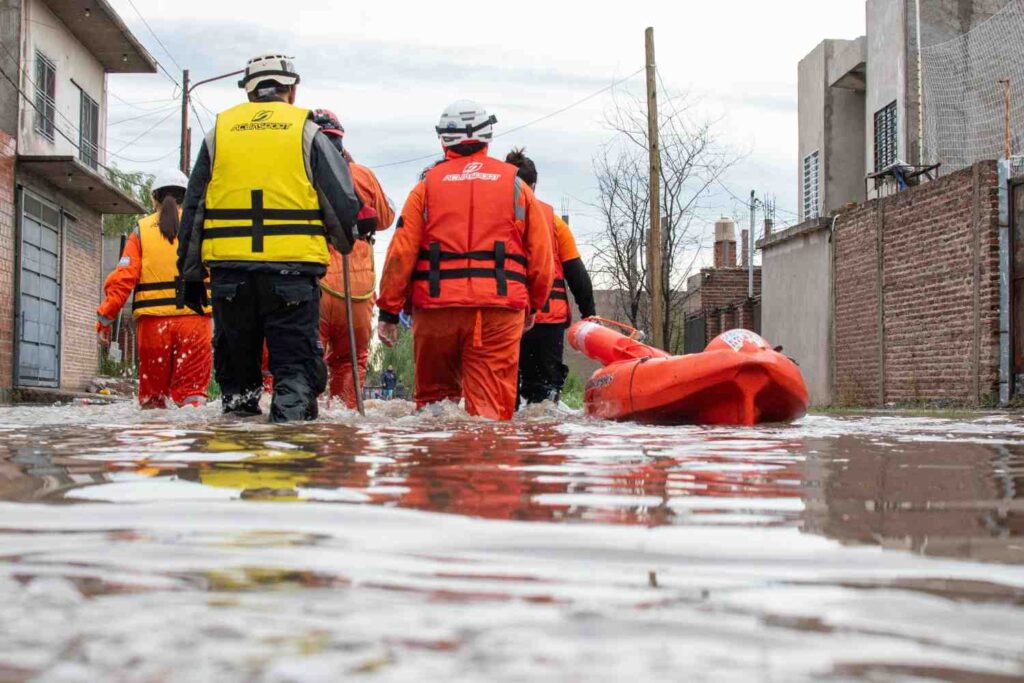
The Mistake Almost Everyone Makes
This is the part everyone remembers after their first capsize.
They try to pull themselves straight onto the kayak.
It almost never works.
Why?
Because all of their weight is pushing downward on one side.
The kayak flips again.
Instead, kick with your legs while keeping your body nearly horizontal on the water.
Your legs provide the lifting power.
Your arms mainly guide your body across the seat.
It’s much closer to climbing onto a swimming pool float than climbing out of a pool.
That small adjustment saves a huge amount of energy.
What If You Can’t Flip It Alone?
Sometimes conditions simply aren’t cooperating.
Strong wind.
Fast current.
Heavy fishing gear.
Cold water.
There’s no shame in changing the plan.
If another paddler is nearby, ask for assistance.
Two people can stabilize and empty a kayak much faster than one person fighting alone.
If you’re close to shore, swimming your kayak to shallow water is often the smartest decision.
I’ve done exactly that more than once.
Experience isn’t about proving you’re tough.
It’s about choosing the safest option.
Getting Back Into Your Kayak Without Flipping It Again
Flipping the kayak is only half the job.
Getting back in is where most first-time paddlers struggle.
The instinct is to haul yourself straight over the side. Almost every beginner tries it.
Almost every beginner ends up back in the water.
A better approach is to let your legs do most of the work.
Here’s the method I teach during beginner rescue sessions.
- Keep one hand on the kayak at all times.
- Position yourself beside the seat, not at the bow or stern.
- Kick steadily with your legs while pulling your chest across the kayak.
- Once your stomach is over the seat, pause for a second.
- Rotate your hips and bring one leg aboard, then the other.
- Stay low until you’re balanced again.
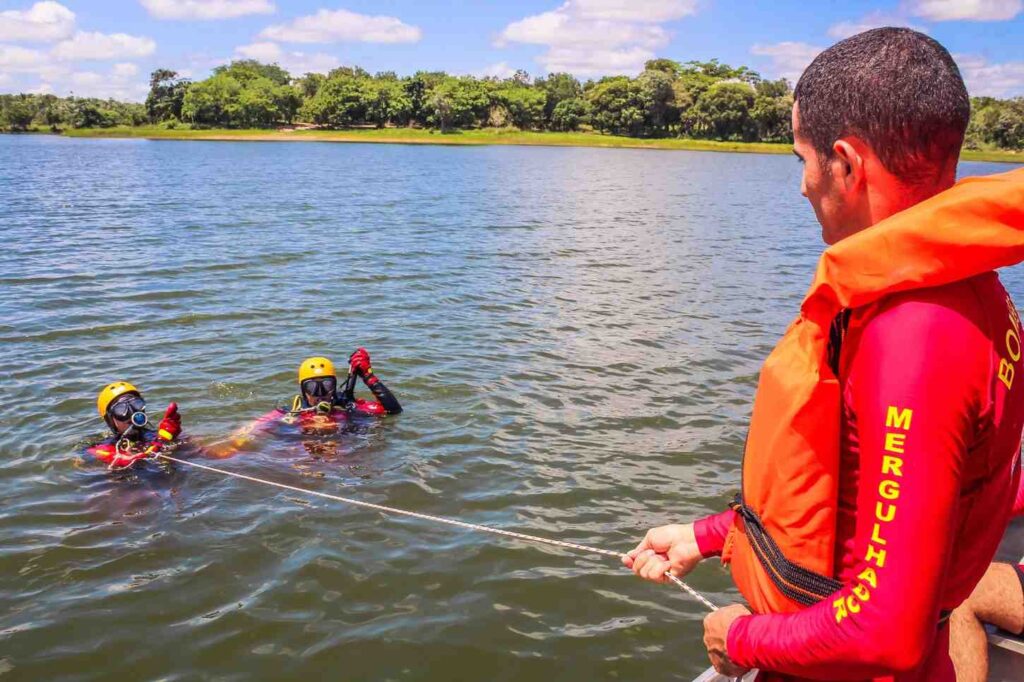
Think of climbing onto a floating dock. You don’t stand up immediately. You stabilize yourself first.
That same idea applies here.
Sit-On-Top vs. Sit-Inside: Which Is Easier to Recover?
Both kayaks can be recovered, but they aren’t equally forgiving.
| Feature | Sit-On-Top Kayak | Sit-Inside Kayak |
| Flipping Upright | Easy | Moderate |
| Water Inside Hull | Very Little | Often a Lot |
| Re-Entry Difficulty | Easy to Moderate | Moderate to Difficult |
| Best for Beginners | Yes | With Practice |
| Extra Rescue Equipment Usually Needed | Rarely | Sometimes (Paddle Float, Bilge Pump) |
This is one reason many instructors start beginners on sit-on-top kayaks.
They let students focus on learning recovery skills instead of fighting a flooded cockpit.
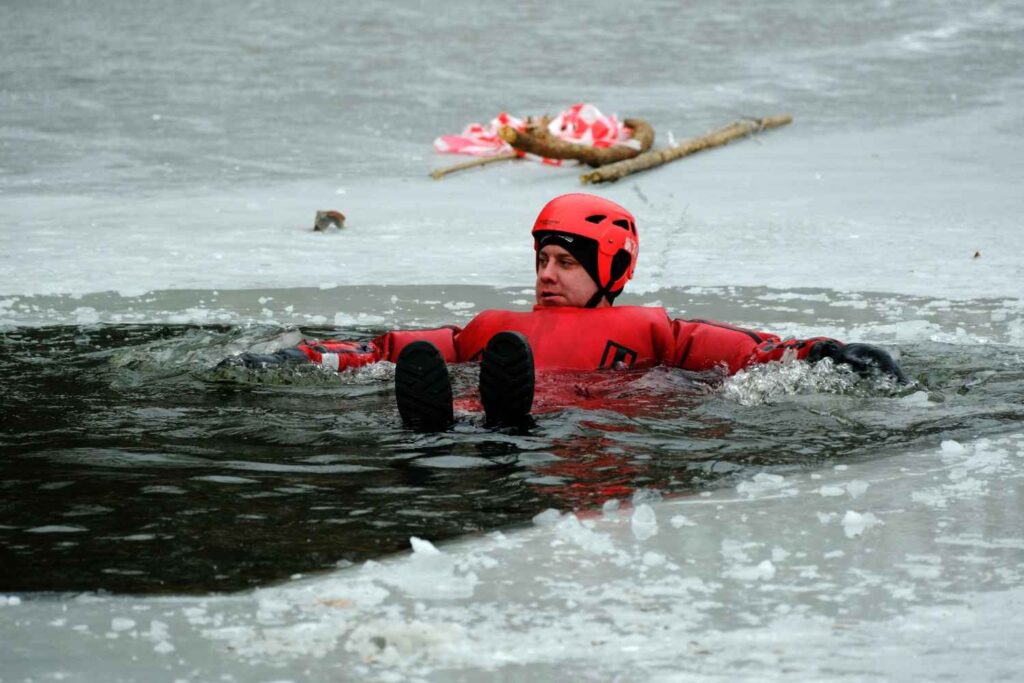
Cold Water Changes Everything
One mistake I’ve seen far too often is judging safety by the air temperature.
The sun is shining.
It’s 75°F outside.
The lake still feels like spring because the water is barely 50°F.
That’s dangerous.
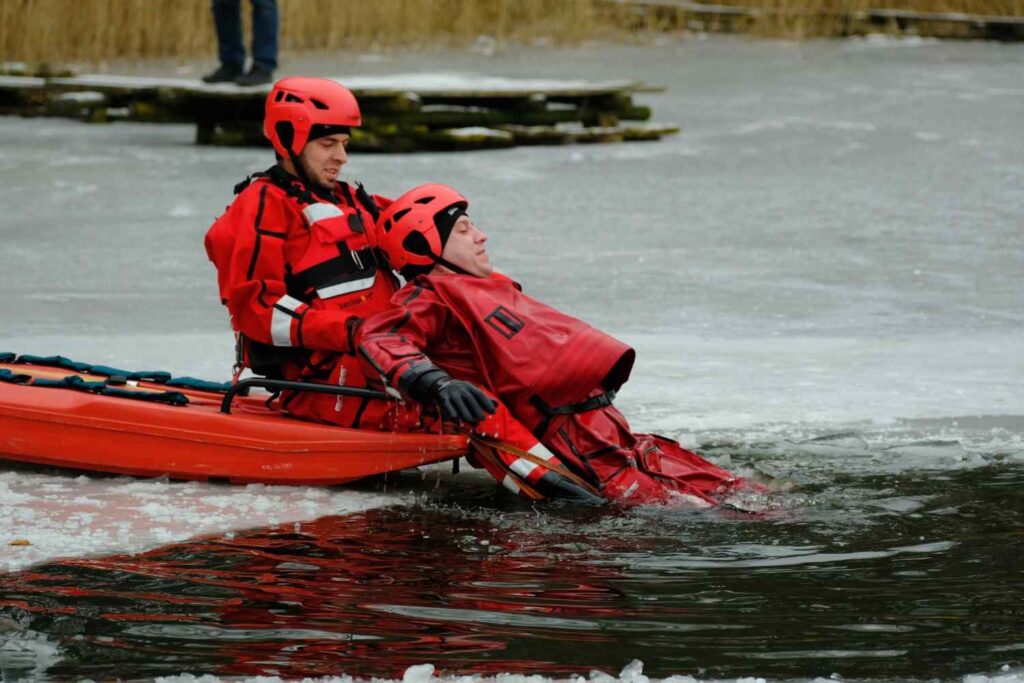
Cold water affects your body much faster than most people expect.
Breathing becomes harder.
Muscles lose strength.
Simple tasks suddenly feel difficult.
If the water is cold, don’t treat a capsize like a minor inconvenience.
Get back into the kayak—or get to shore—as quickly and calmly as possible.
For early spring, late autumn, or mountain lakes, dress for the water temperature, not the weather forecast. Understanding what to wear kayaking in cold weather helps you stay warm, reduce the risk of cold-water shock, and paddle more safely when conditions are colder than they appear.
When Swimming to Shore Is the Better Choice
People sometimes think swimming to shore means they’ve failed.
Not true.
Good judgment beats stubbornness every time.That’s one of the most valuable lessons you’ll learn when mastering how to kayak safely in the ocean, where knowing when to turn back is often just as important as knowing how to paddle.
Choose shore instead of a deep-water re-entry if:
- You’re exhausted after several failed attempts.
- The current is pushing you toward rocks, trees, or other hazards.
- The kayak is badly damaged.
- Water conditions continue getting rougher.
- You’re becoming cold and losing coordination.
I’ve abandoned a re-entry attempt myself during a fast-moving river trip years ago.
Swimming thirty yards to calm water was far safer than fighting the current.
That wasn’t giving up.
It was making the smartest decision available.
Practice Before You Ever Need It
The best kayak recovery I’ve ever watched happened during… practice.
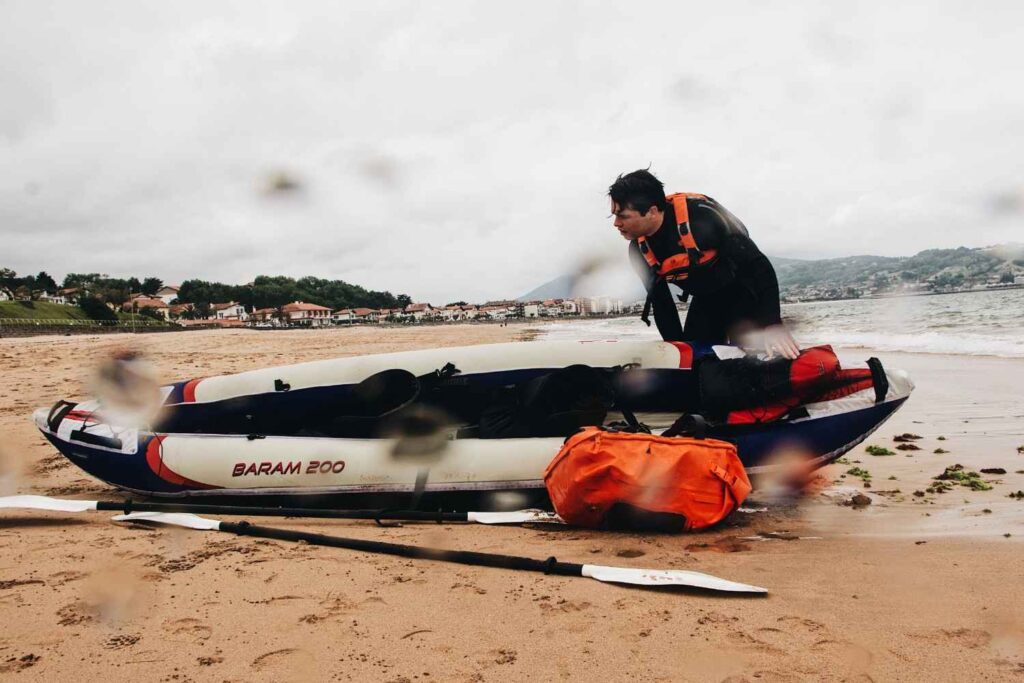
A beginner intentionally flipped his kayak in a shallow lake.
He practiced flipping it back.
He practiced climbing in again.
He repeated it six or seven times.
A month later, a real capsize happened on a windy afternoon.
While everyone else rushed toward him, he’d already flipped the kayak upright, climbed back aboard, and was paddling again.
Why?
Because nothing about the situation felt unfamiliar.
Confidence comes from repetition.
Not luck.That’s why regularly practicing getting into a kayak and re-entering it in calm water builds the skills you’ll rely on when conditions become less forgiving.
The Gear That Makes Self-Rescue Easier
You don’t need dozens of accessories.
A few pieces of equipment make a huge difference.
| Equipment | Why It Helps |
| Properly fitted life jacket | Keeps you afloat and conserves energy |
| Paddle float | Adds stability during deep-water re-entry |
| Bilge pump | Removes water from sit-inside kayaks |
| Paddle leash | Helps prevent losing your paddle |
| Dry bag | Protects your phone, keys, and emergency gear |
| Whistle | Signals for help if needed |
Notice something?
None of these replace good skills.
They simply make those skills easier to use.
Mistakes That Turn a Small Problem Into a Big One
Most capsizes aren’t emergencies.
Poor decisions afterward sometimes are.
Avoid these common mistakes.
- Chasing floating gear before securing the kayak.
- Trying to stand immediately after climbing back aboard.
- Forgetting to check on paddling partners.
- Ignoring signs of cold-water stress.
- Refusing help because of embarrassment.
- Heading farther from shore instead of reassessing the situation.
A successful rescue isn’t measured by how quickly it happens.
It’s measured by everyone getting home safely.
Frequently Asked Questions
1. Can I flip a kayak back over by myself?
Yes. Most recreational kayaks can be flipped upright by one person using a rolling motion instead of trying to lift the entire kayak.
2. Is a sit-on-top kayak easier to recover than a sit-inside kayak?
Yes. Sit-on-top kayaks usually hold very little water, making both flipping and re-entry much easier.
3. What should I do first after my kayak flips?
Stay calm, stay with the kayak, and make sure your life jacket is secure before attempting any recovery.
4. Should I try standing in the water while recovering?
Only if the water is shallow and the bottom is safe. In deeper water, use proper re-entry techniques instead.
5. What if I lose my paddle?
Secure yourself and the kayak first. A paddle can often be retrieved later, but drifting away from the kayak creates a much bigger problem.
6. Do I need a paddle float?
Not always. It’s especially helpful for sit-inside kayaks and solo paddlers practicing deep-water self-rescue.
7. Can I recover a fishing kayak by myself?
Usually, yes. Fishing kayaks are heavier, especially when loaded with gear, but the recovery technique remains the same.
8. Is it safe to practice flipping a kayak?
Absolutely—provided you practice in warm, calm, shallow water while wearing a properly fitted life jacket. Practicing with a partner is even better.
9. What if I’m too tired to climb back in?
Swim the kayak toward shallow water or signal for assistance. Continuing to struggle while exhausted increases the risk of injury and poor decision-making.
10. What’s the best way to avoid panicking after a capsize?
Practice recovery before you actually need it. Familiarity reduces fear, improves decision-making, and makes every step feel much more manageable.
Final Thoughts
Capsizing is part of kayaking.
Almost every experienced paddler has been upside down at some point.
The difference is that experience replaces panic with routine.
Remember the priorities.
Stay calm.
Stay with your kayak.
Flip it upright.
Take your time getting back in.
Ask for help when conditions demand it.
Then practice again on a calm day, when there’s no pressure and no emergency.
That’s how confidence is built.
The goal isn’t to prove you’ll never flip.
The goal is knowing exactly what to do when you do.