
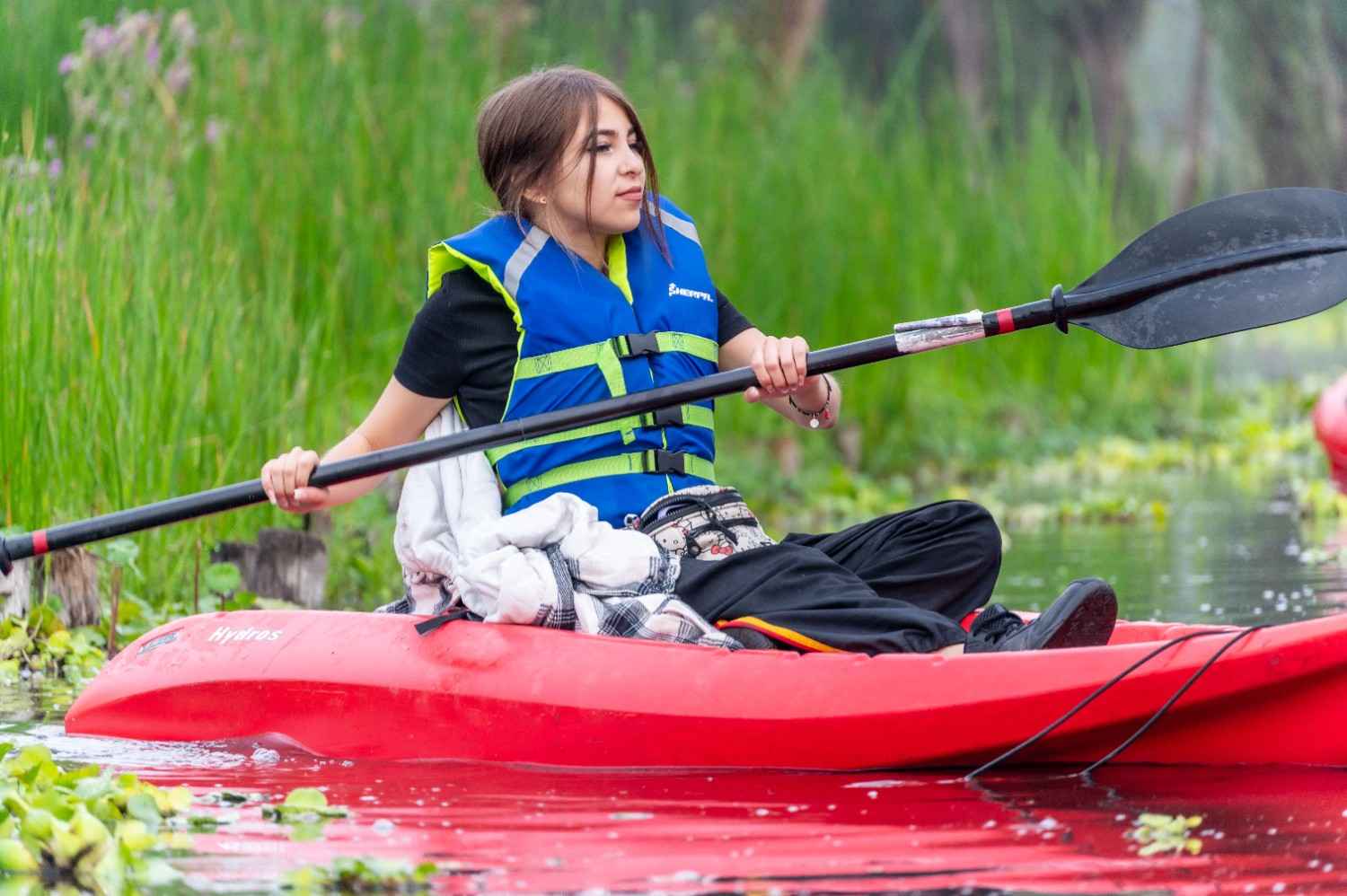
“Can I go kayaking if I can’t swim?”
I’ve probably heard that question a few hundred times over the past 25 years. Sometimes it came from a nervous college student standing on a dock for the first time. Sometimes it came from a retired couple checking kayaking off their bucket list. Parents asked it for their teenagers. Friends asked it for each other. The fear always sounded different, but it came from the same place.
Nobody wanted to become the person who panicked in deep water.
One memory has stayed with me longer than most.
About twelve years ago, a man named Mark joined one of our beginner paddling sessions on a quiet lake in northern Minnesota. Before we even unloaded the kayaks, he quietly pulled me aside.
“I should probably tell you something,” he said. “I can’t swim.”
You could hear the embarrassment in his voice. He honestly expected me to tell him kayaking wasn’t for him.
Instead, I asked him a different question.
“Are you willing to wear your life jacket the entire time and follow instructions?”
He nodded immediately.
That answer told me far more than his swimming ability ever could.
We spent the first fifteen minutes on shore instead of rushing onto the water. I adjusted his properly fitted Personal Flotation Device (PFD) until it couldn’t ride above his ears. We practiced getting in and out of the kayak while it rested in shallow water. I showed him how to hold the paddle, how to keep his hips relaxed instead of stiff, and why sudden movements cause more problems than calm ones.
Then we launched.
For the first five minutes, Mark stayed close enough to shore that he could almost touch the reeds with his paddle.
Every small ripple made him nervous.
Every passing fishing boat caught his attention.
Then something changed.
His shoulders relaxed.
His paddle strokes became smoother.
About half an hour later, he looked back toward the shoreline, laughed, and said something I’ll never forget.
“I spent twenty years being scared of something that wasn’t actually the problem.”
He was right.
The problem had never been that he couldn’t swim.
The problem was not understanding how kayaking actually works.
The Biggest Mistake People Make Before They Ever Touch a Kayak
Most beginners imagine the worst-case scenario before they’ve even sat inside a kayak.
They picture themselves flipping into deep water with nothing to hold onto.
Movies don’t help.
Neither do viral videos showing dramatic capsizes.
Real recreational kayaking rarely looks like that.
A modern beginner kayak is designed to be stable. Manufacturers know that first-time paddlers don’t want a boat that feels tippy every time they move their shoulders. That’s why recreational kayaks usually have a wider hull, making them much more forgiving than racing or whitewater models.

Could you still capsize?
Of course.
But it usually happens because someone stood up suddenly, leaned too far over the side, ignored rough weather, or paddled somewhere well beyond their experience.
Those are decision problems—not swimming problems.
Swimming Helps. Good Judgment Matters More.
People are often surprised when I say this.
I’ve seen excellent swimmers make terrible decisions on the water.
I’ve also watched complete non-swimmers paddle safely for years without a single serious incident.
The difference wasn’t talent.
It was attitude.
The safest beginners usually do three things exceptionally well:
- They wear their life jacket instead of carrying it.
- They stay on calm water while learning.
- They aren’t afraid to turn around when conditions change.
That’s exactly how experienced paddlers think too.
What Actually Happens If Your Kayak Tips Over?
Fear usually disappears once people understand the sequence.
Imagine you’re paddling across a calm lake wearing a correctly fitted PFD.
Your kayak unexpectedly flips.
For a split second, it’s surprising.
Then the life jacket does exactly what it was designed to do.
It keeps your head above the surface while you catch your breath.
That’s why experienced instructors constantly repeat the same advice.
Don’t fight the water. Stay calm first.
Panic burns energy.
Calm thinking solves problems.
In most beginner situations, you’re also much closer to shore than you realize. Distances often look much greater when you’re sitting at water level.
Choosing the Right Water Is More Important Than Choosing the Right Kayak
If I could make one decision for every beginner, it wouldn’t be the kayak they buy.
It would be where they paddle.
A quiet lake on a calm morning is completely different from an ocean bay with changing tides or a fast-moving river after heavy rain.
Here’s how I explain it to new paddlers.
| Location | Safe for Most Non-Swimmers? | Why |
| Calm freshwater lake | Yes | Predictable conditions and very little current |
| Protected bay | Yes | Small waves and sheltered water |
| Reservoir | Usually | Stable water in good weather |
| Slow river | Sometimes | Current requires extra awareness |
| Open ocean | No | Wind, tides, and waves change quickly |
| Whitewater | Never for beginners | Fast current and obstacles increase risk dramatically |
Notice something?
Swimming ability isn’t even the biggest factor in that table.
Water conditions are.
And that’s the lesson I wish every beginner understood before buying their first kayak.
The Safety Gear I Refuse to Compromise On
Every experienced paddler has a short list of gear they’ll never leave behind. Mine hasn’t changed much in two decades.
At the top of that list is a properly fitted Coast Guard-approved PFD.
Not clipped behind the seat.
Not strapped to the storage hatch.
Worn.
Every minute you’re on the water.
After that, I recommend carrying:
- A lightweight paddle with a comfortable grip
- A whistle attached to your life jacket
- A dry bag for your phone and car keys
- Drinking water
- Sunscreen and a hat
- A basic first-aid kit
- A paddle leash if you’re paddling in windy conditions
Not all dry bags offer the same level of protection, so choosing the best kayak dry bag helps keep your valuables safe, organized, and completely dry throughout your trip.
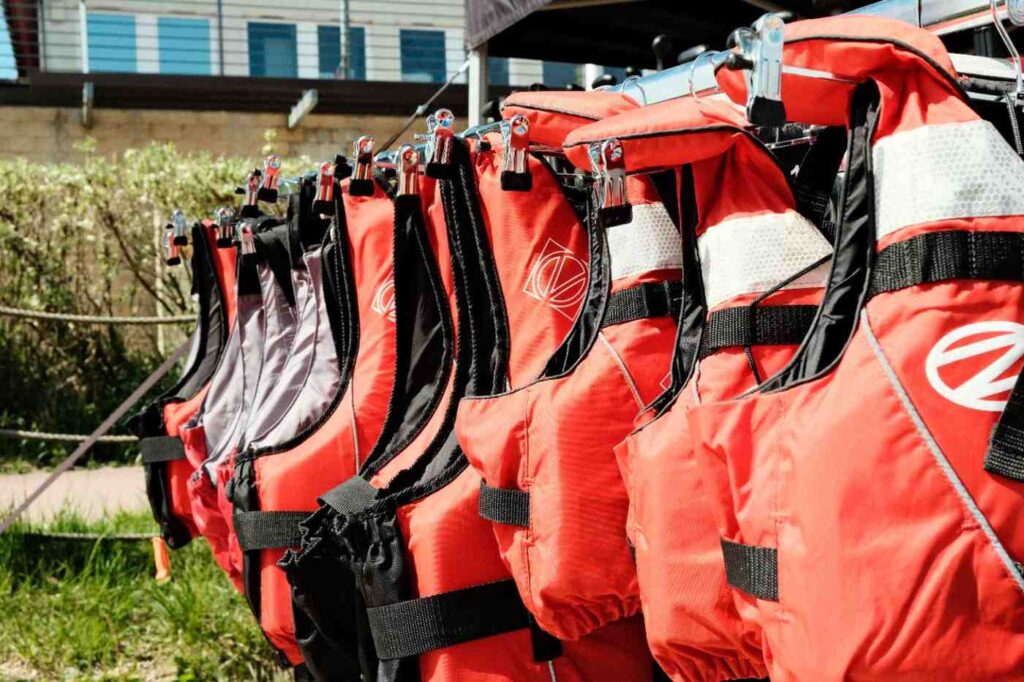
None of this gear is expensive compared to the cost of a kayak. Yet it’s the equipment that can make the biggest difference when something unexpected happens.
The Weather Changes Faster Than Most Beginners Expect
One summer afternoon, I watched a family launch onto what looked like a perfectly calm lake.
Twenty minutes later, a steady breeze became a strong wind.
Small ripples turned into rolling waves.
Nothing dramatic happened, but paddling back suddenly became hard work. The parents were exhausted before they reached shore.

That’s why I always tell beginners:
Check the weather before launching—and keep watching it while you’re paddling.
If dark clouds appear or the wind starts building, don’t wait to see what happens next.
Turn around.
The lake will still be there tomorrow.
Should You Paddle Alone?
For your first few trips?
No.
Having another paddler nearby changes everything.
They can:
- Help if you capsize.
- Tow your kayak if you get tired.
- Spot changing weather before you notice it.
- Give simple tips that make paddling easier.
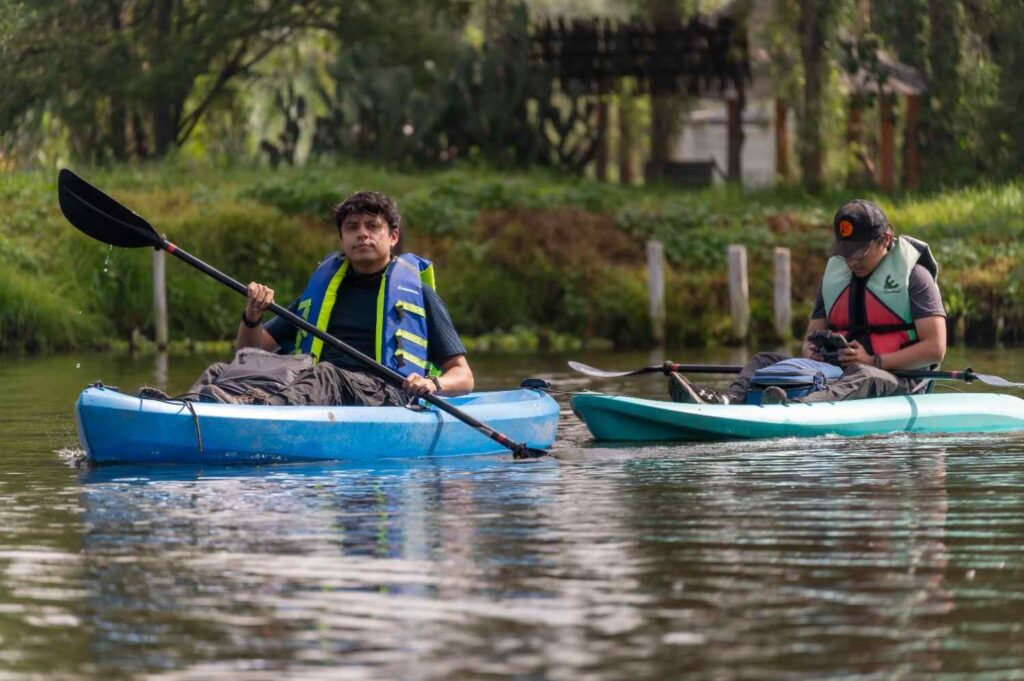
Better yet, book a guided trip or rent from an outfitter that gives beginners a short safety briefing. This is especially valuable if you’re learning how to kayak in a river for beginners, where understanding currents, hazards, and basic paddling techniques from the start can make a huge difference. Those first thirty minutes of instruction can prevent mistakes that take months to unlearn.
Sit-On-Top vs. Sit-Inside Kayaks
This question comes up almost every weekend.
Here’s the simple comparison.
| Sit-On-Top Kayak | Sit-Inside Kayak |
| Easier to climb back onto after a capsize | Better protection from wind and cold |
| Feels open and less intimidating | Keeps you drier in cooler weather |
| Great for warm climates and beginners | Better for longer-distance paddling |
| Self-draining design | More enclosed cockpit |
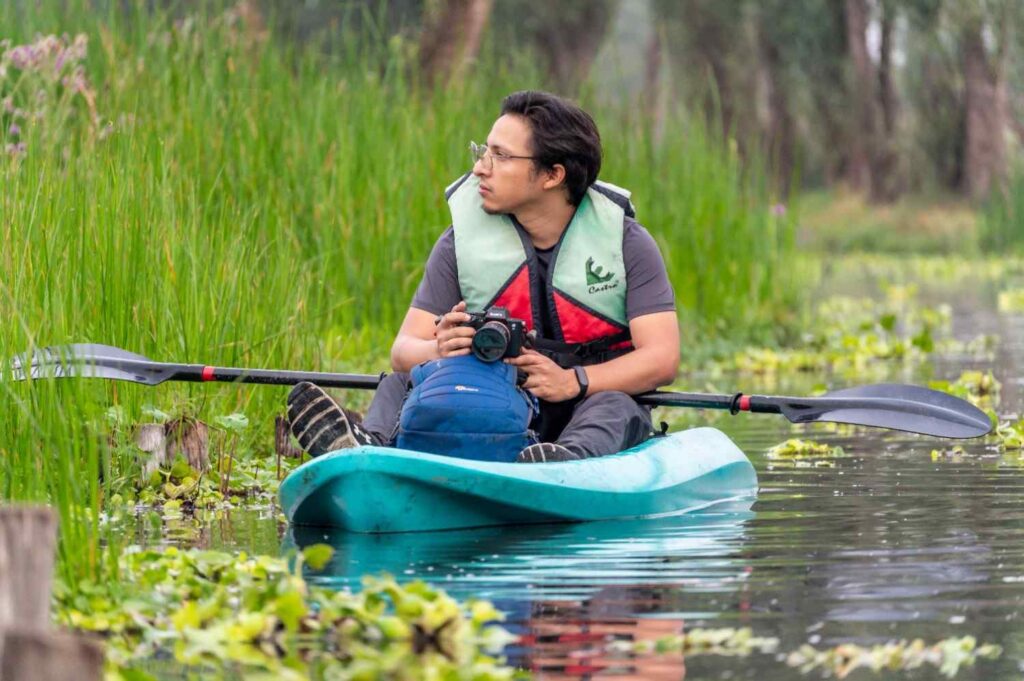
If someone tells me they’re a non-swimmer buying their first kayak, I usually recommend starting with a stable recreational sit-on-top model.
It removes one of the biggest fears beginners have—feeling trapped.
Renting Before Buying Is One Decision You’ll Never Regret
I’ve watched people spend over $2,000 on a kayak they ended up selling a few months later.
Why?
Because they bought based on YouTube reviews instead of experience.
Rent first.
Try different styles.
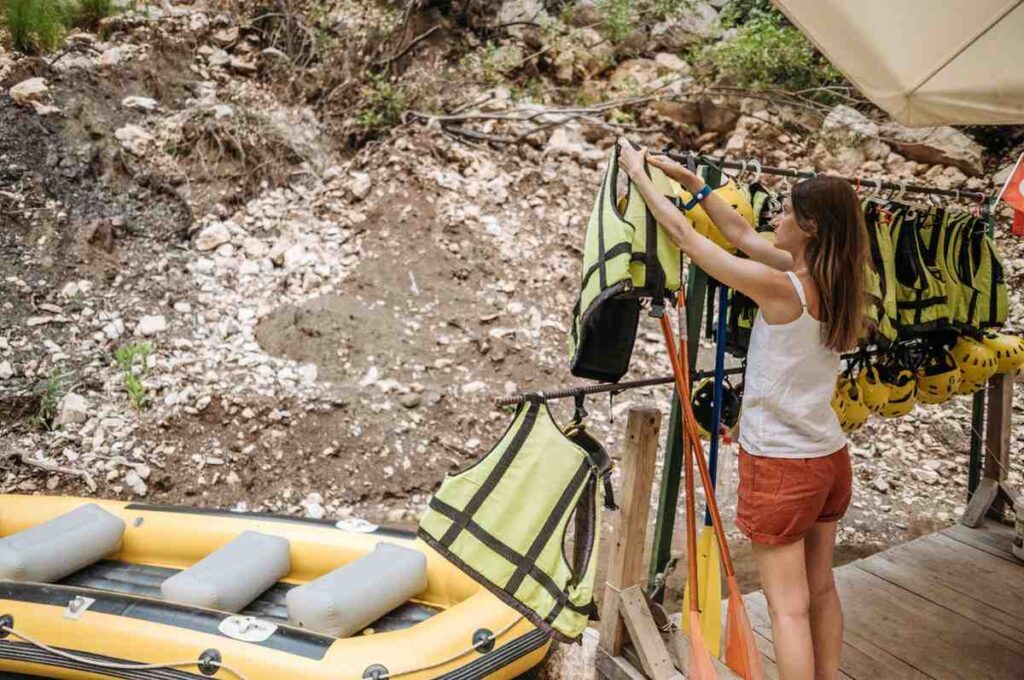
You might discover that you enjoy a recreational kayak far more than a fishing kayak. Or maybe inflatable kayaks suit your lifestyle because they fit easily in your apartment or car trunk, making them a practical choice without sacrificing the fun of getting on the water.
That’s money well saved.
If You’re Planning to Buy Gear, Spend Your Budget Wisely
Affiliate websites often focus on expensive accessories first.
I’d do the opposite.
If I were helping a friend build their first kayaking setup, I’d spend money in this order:
- A high-quality life jacket
- A stable beginner kayak
- A lightweight paddle
- A waterproof dry bag
- Comfortable paddling shoes
- Everything else
Comfort and fit matter just as much as safety, which is why many paddlers look for the best kayak life jacket for women to find a PFD that offers reliable protection without restricting movement on the water.
Fancy gadgets won’t make you safer.
Reliable basics will.
The Lesson Mark Taught Me
A few years after that first lesson, I ran into Mark again at the same lake.
This time, he wasn’t standing nervously on the dock.
He was helping his teenage daughter adjust her life jacket before they launched together.
He smiled when he recognized me.
“You remember,” he said, “I was the guy who couldn’t swim.”
I remembered.
Then he said something even better.
“My daughter can swim. But she’s learning the same rules you taught me.”
That’s exactly how it should be.
Good kayaking habits don’t change because someone knows how to swim.
Everyone benefits from respecting the water.
Questions I Hear Almost Every Week
“What if I panic?”
Panic usually comes from uncertainty.
Practice getting into and out of the kayak in shallow water before your first real trip. Once your brain knows what to expect, confidence replaces fear surprisingly fast.
“What if my kayak floats away?”
Stay with the kayak whenever possible.
A kayak is large, buoyant, and much easier for rescuers to spot than a person alone in the water.
“Can I wear an inflatable life jacket?”
For experienced paddlers, sometimes.
For beginners and non-swimmers?
I’d recommend a standard foam PFD instead. It works immediately without requiring manual inflation.
“Should I learn to swim first?”
If you have the opportunity, absolutely.
Basic swimming lessons build confidence and improve safety. But don’t think you must become an expert swimmer before trying kayaking.
Those are two different skills.
Final Thoughts
So, is kayaking safe for non-swimmers?
Yes—when you approach it with respect, preparation, and the right equipment.
After thousands of launches, beginner lessons, and long days on lakes and rivers, I’ve learned that the safest paddlers aren’t always the strongest swimmers. They’re the people who wear their life jacket without excuses, choose calm conditions, stay within their limits, and never let confidence replace common sense.
If you’re nervous, that’s normal.
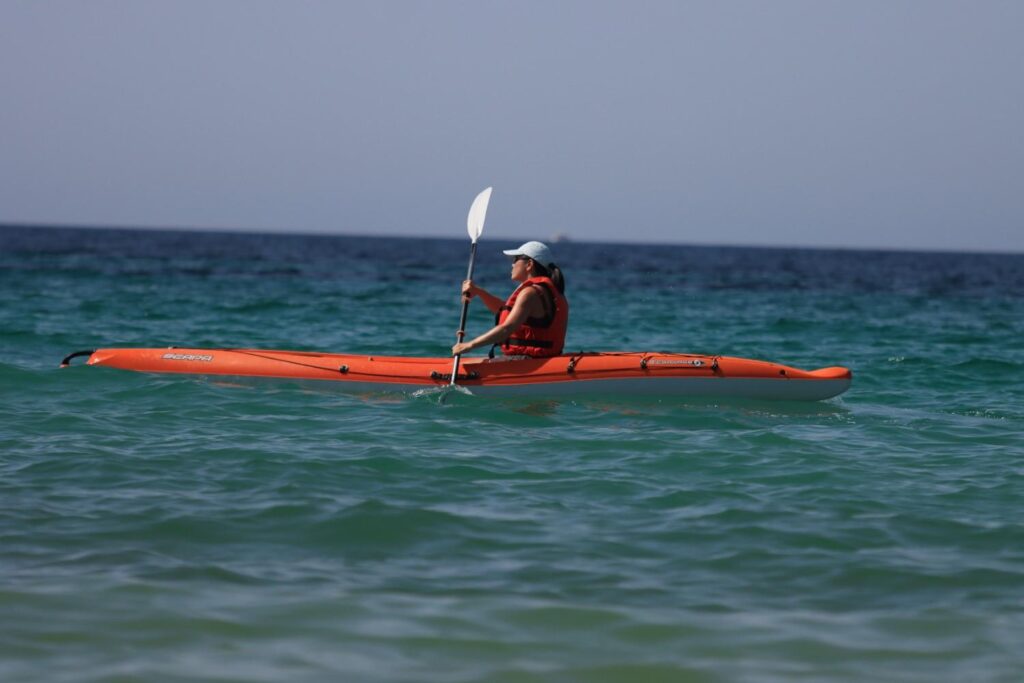
Start on a calm lake. Rent a stable kayak. Spend some time practicing getting into a kayak before heading out, since a confident entry and exit will make the rest of your paddling experience much more enjoyable. Paddle with someone experienced. Build confidence one outing at a time.
One day, you’ll look back—just like Mark did—and realize the thing holding you back wasn’t the water.
It was the fear of the unknown.