Quick Answer
If you’re looking for a single number, here it is.
Most people paddle one mile in about 20 to 30 minutes under normal recreational conditions.
Now here’s the part that matters.
That estimate assumes calm or lightly breezy weather, a recreational pace, and no long stops for fishing, photos, or snacks. Change any one of those things, and your time changes too.
I’ve watched beginners finish a mile faster than experienced paddlers simply because they had smooth water and a gentle tailwind. I’ve also seen skilled paddlers take much longer because they were working into a stiff breeze with heavily loaded fishing kayaks.
That’s why experienced kayakers rarely answer this question with a stopwatch.
We answer it with another question.
“Where are you paddling, and what kind of kayak are you using?”
Those two answers tell me far more than your fitness level ever will.
Why There Isn’t One Correct Answer
Imagine asking someone how long it takes to drive ten miles.
On an empty country road, the answer is one thing.
In rush-hour traffic, it’s something completely different.
Kayaking works exactly the same way.
The distance stays fixed.
Everything else keeps changing.
Water conditions, wind direction, current, boat design, and paddling technique all work together. Ignore even one of them, and your estimated time can be completely wrong.
That’s why comparing yourself to another paddler rarely makes sense.
You may both paddle one mile.
You may not be paddling the same challenge.
Team A vs. Team B
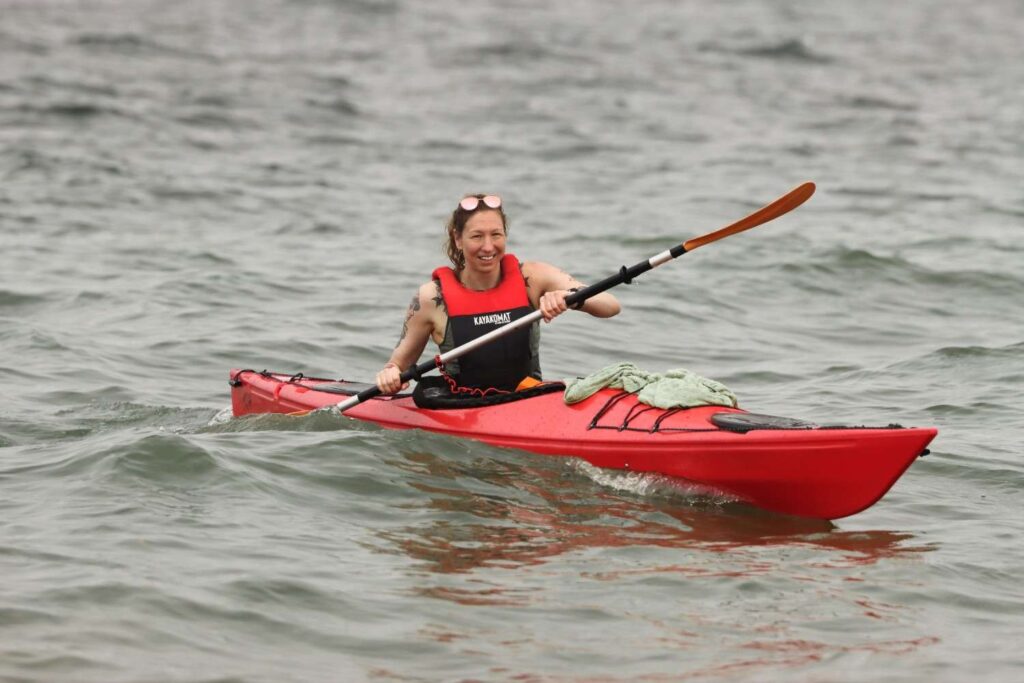
Before worrying about average times, decide which paddler you are today.
Not who you hope to become six months from now.
Today.
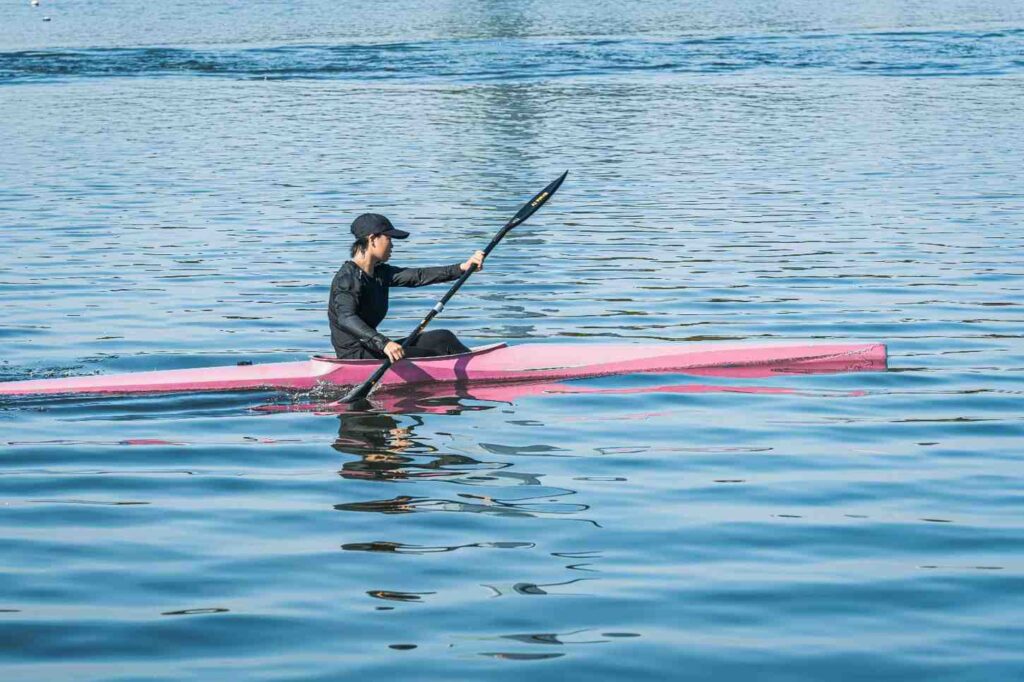
| Feature | Team A – Recreational Paddler | Team B – Experienced Paddler |
| Main Goal | Relax, explore, enjoy nature | Travel efficiently |
| Pace | Comfortable and unhurried | Smooth and consistent |
| Breaks | Frequent | Only when needed |
| Typical Kayak | Recreational or fishing kayak | Touring or performance kayak |
| One-Mile Expectation | Around 20–30 minutes | Often faster in good conditions |
Neither group is “better.”
One enjoys the journey.
The other enjoys refining the craft.
Most paddlers eventually discover they’re a little bit of both.
The Five Things That Decide Your Time
People usually assume stronger arms mean faster paddling.
After twenty-five years on the water, I can tell you that’s rarely true.
These five factors decide far more than muscle ever will.
1. Kayak Design
A kayak isn’t just a floating seat.
Its shape determines how efficiently it moves through the water.
A long touring kayak tracks straighter and glides farther after each stroke.
A recreational kayak sacrifices a little speed to give beginners more stability.
Fishing kayaks are wider still because standing to cast safely matters more than covering distance quickly. That’s one of the key reasons the best kayak for fishing often prioritizes stability and deck space over outright speed.
None of these designs are wrong.
They’re simply solving different problems.
2. Wind and Current
This is where beginners get surprised.
A light breeze that barely moves the trees can feel much stronger once you’re sitting only a few inches above the water.
Now add a river current pushing against you.
Suddenly that comfortable mile feels much longer.
The opposite is true as well.
A gentle tailwind or downstream current can make the trip feel almost effortless.
Experienced paddlers don’t fight these conditions.
They plan around them.
3. Paddle Technique
I’ve coached paddlers who looked incredibly powerful.
Huge strokes.
Water flying everywhere.
Ten minutes later they were exhausted.
Then I’d watch someone half their size paddle quietly past them without looking tired.
The difference wasn’t strength.
It was efficiency.
A smooth paddle stroke beats a powerful one almost every time.It becomes even more effective when you understand how to size a kayak paddle, since the right paddle length improves efficiency, reduces fatigue, and helps you maintain better technique over long distances.
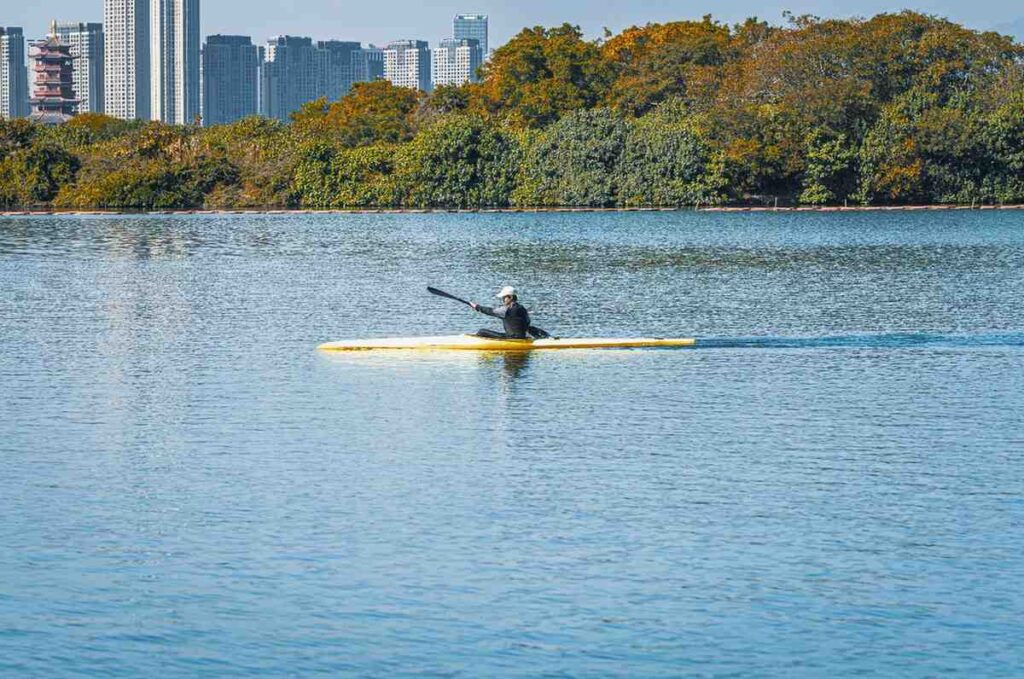
4. How Much Weight You’re Carrying
Every cooler, tackle box, camping bag, and extra battery adds resistance.
Most beginners pack for every possible situation.
Experienced paddlers usually carry only what they’ll actually use.
A lighter kayak accelerates more easily and keeps moving between strokes.
That difference becomes obvious over longer distances.
5. Your Goal for the Day
This factor gets ignored more than any other.
Are you exercising?
Fishing?
Exploring?
Photography?
Wildlife watching?
Each activity creates a different pace.
Someone casting toward every fallen tree isn’t trying to paddle a fast mile.
They’re trying to catch fish.
That’s a completely different objective.
The Day I Stopped Measuring Success by Speed
About fifteen years ago, I was leading a beginner paddle on a quiet reservoir.
Before we launched, one gentleman looked nervous.
He pulled me aside and asked a question I’ve heard dozens of times since.
“What if I’m the slowest person here?”
I asked him another question.
“Are you here to win a race or enjoy your first day on the water?”
He laughed.
We launched.
For the first ten minutes he paddled hard, trying to stay near the front.
His strokes became shorter.
His breathing became heavier.
Meanwhile, an older woman in her sixties paddled at what looked like an effortless pace.
She wasn’t stronger.
She wasn’t using an expensive kayak.
She simply let the kayak glide before taking the next stroke.
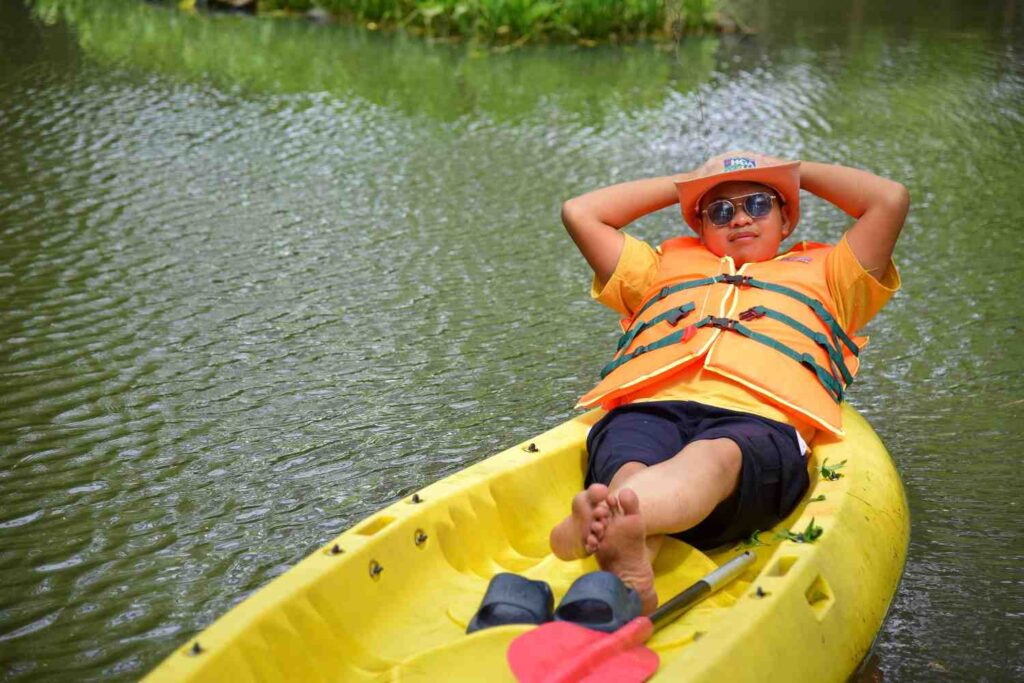
An hour later, the gentleman walked over smiling.
“You know what?” he said.
“I spent more energy trying to keep up than I did enjoying the lake.”
That conversation changed the way I answer questions about kayaking speed.
The goal isn’t reaching the one-mile mark first.
The goal is reaching it with enough energy that you’re excited to paddle the next mile too.
Choosing the Right Kayak Matters More Than Buying the Most Expensive One
One of the biggest myths in kayaking is that spending more money automatically makes you faster.
It doesn’t.
The best kayak is the one that matches the kind of paddling you actually do.
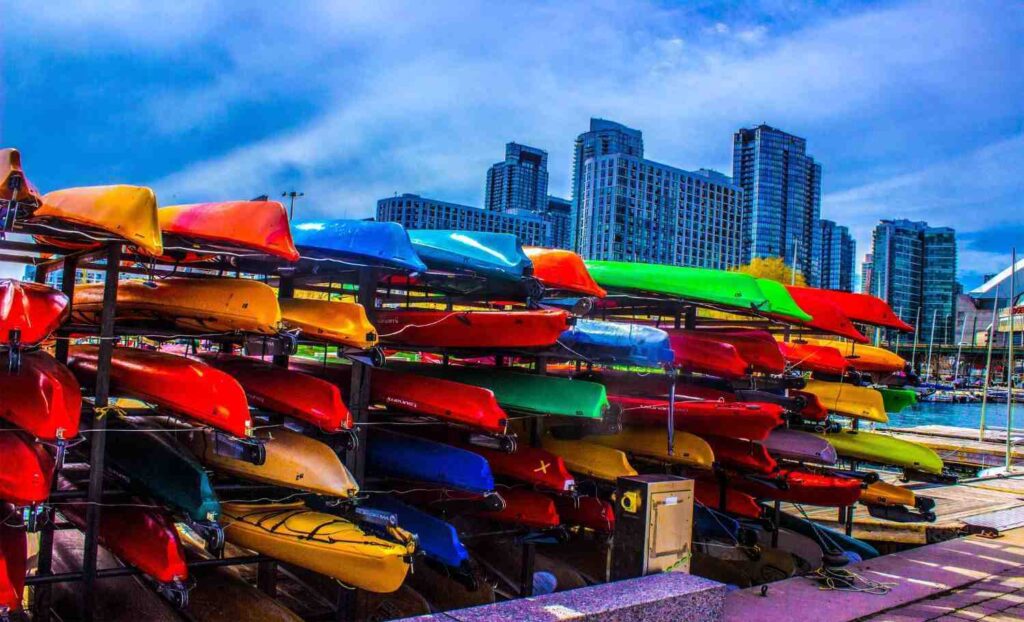
| Kayak Type | Best For | Speed | Stability |
| Recreational Sit-On-Top | Casual paddling, warm weather | Moderate | Excellent |
| Recreational Sit-Inside | Lakes and slow rivers | Moderate | Very Good |
| Fishing Kayak | Anglers carrying gear | Moderate to Slow | Excellent |
| Touring Kayak | Long-distance paddling | Fast | Good |
I’ve watched beginners buy narrow touring kayaks because they wanted speed.
A month later they traded them for recreational models because they weren’t having fun.
Confidence always comes before speed.
Once you’re comfortable in your kayak, improving your pace becomes much easier.
Solo vs. Group Paddling: Why the Same Route Can Take Different Times
Here’s something I’ve learned after leading countless group trips.
The size of your group often changes your paddling time more than your fitness does.
When you’re paddling alone, every decision is yours. You choose the pace, decide when to stop, and turn around whenever you want.
A group works differently.
Someone needs a water break.
Someone wants to photograph a bald eagle.
Another paddler falls behind because they’re still learning efficient strokes.
None of that is a problem. It’s simply how group paddling works.
| Paddling Style | Typical Pace | Best For |
| Solo | Most consistent | Fitness, training, peaceful trips |
| Two Paddlers | Slightly slower | Couples and friends |
| Small Group (3–6) | Moderate | Recreation and day trips |
| Large Group | Slowest overall | Guided tours and social outings |
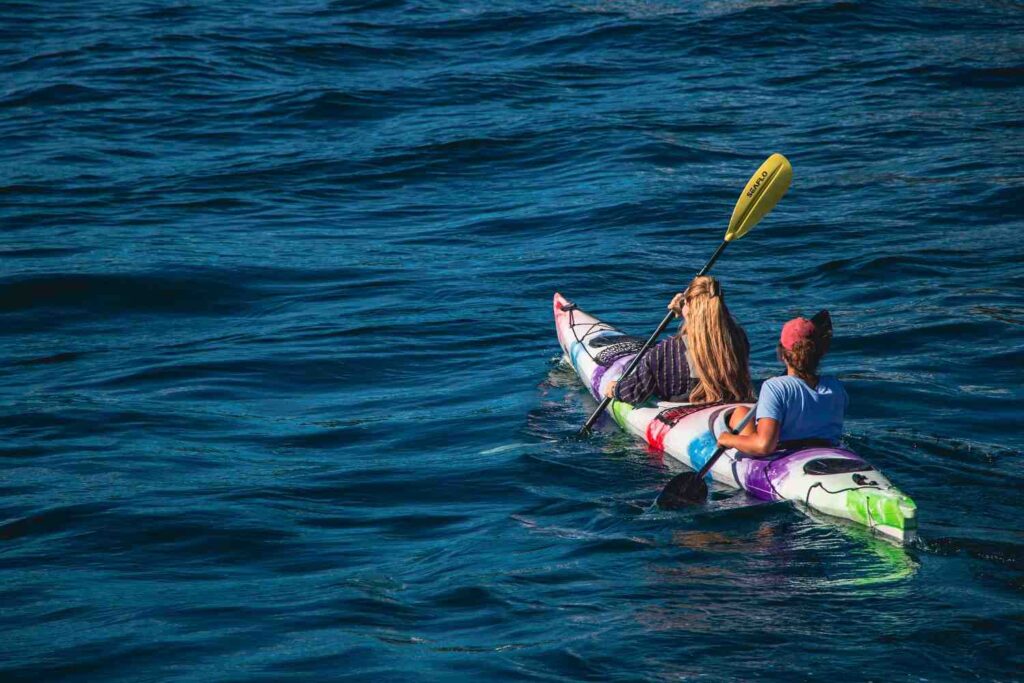
If you’re estimating travel time, always plan using the group’s average pace, not the fastest person’s speed.
Planning Longer Trips Without Guesswork
People often know how far they want to paddle but have no idea how much time to allow.
Here’s the rule I teach beginners.
Estimate generously, then enjoy finishing early instead of worrying about running late.
Under normal recreational conditions, these time ranges are realistic.
| Distance | Average Time |
| 1 mile | 20–30 minutes |
| 2 miles | 40–60 minutes |
| 3 miles | 1–1.5 hours |
| 5 miles | 1.5–2.5 hours |
| 10 miles | 4–6 hours |
These aren’t promises.
They’re planning estimates for calm water with occasional short breaks.
Strong wind, river current, heavy fishing gear, or frequent stops can easily extend the trip.
Safety Always Comes Before Distance
After twenty-five years on the water, I’ve noticed something.
Nobody comes back from a trip talking about how fast they paddled.
People remember the trip where the weather changed unexpectedly.
Or the day someone forgot a life jacket.
Or the afternoon a calm lake suddenly became rough because the wind shifted.
Before every trip, I run through the same checklist.
- Wear a properly fitted life jacket from launch to landing.
- Check the weather forecast before leaving home.
- Know the expected wind direction.
- Carry enough drinking water.
- Keep your phone in a waterproof case or dry bag.
- Tell someone where you’re launching and when you expect to return.
- Pack a whistle and a small first-aid kit for longer trips.
Choosing the best kayak dry bag gives your phone and other valuables an extra layer of protection, helping keep them dry and secure even if you encounter rough water or an unexpected capsize.
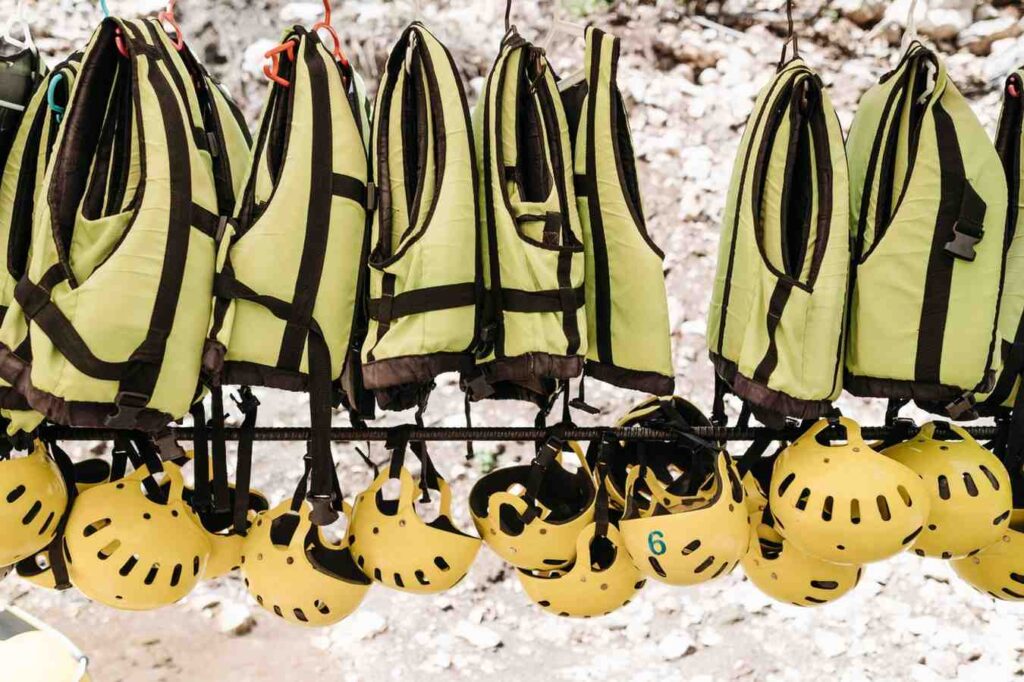
Those habits take only a few minutes.
They’ve prevented countless problems over the years.
Which Kayak Should a Beginner Choose?
This question comes up on almost every training day.
If your goal is simply to enjoy paddling and build confidence, start with a stable recreational kayak.
Trying to learn in a fast touring kayak usually creates unnecessary frustration.
Here’s what I normally recommend.
| Your Goal | Recommended Kayak |
| First few paddling trips | Recreational sit-on-top or stable sit-inside |
| Fishing | Fishing kayak |
| Fitness paddling | Recreational or light touring kayak |
| Long-distance adventures | Touring kayak |
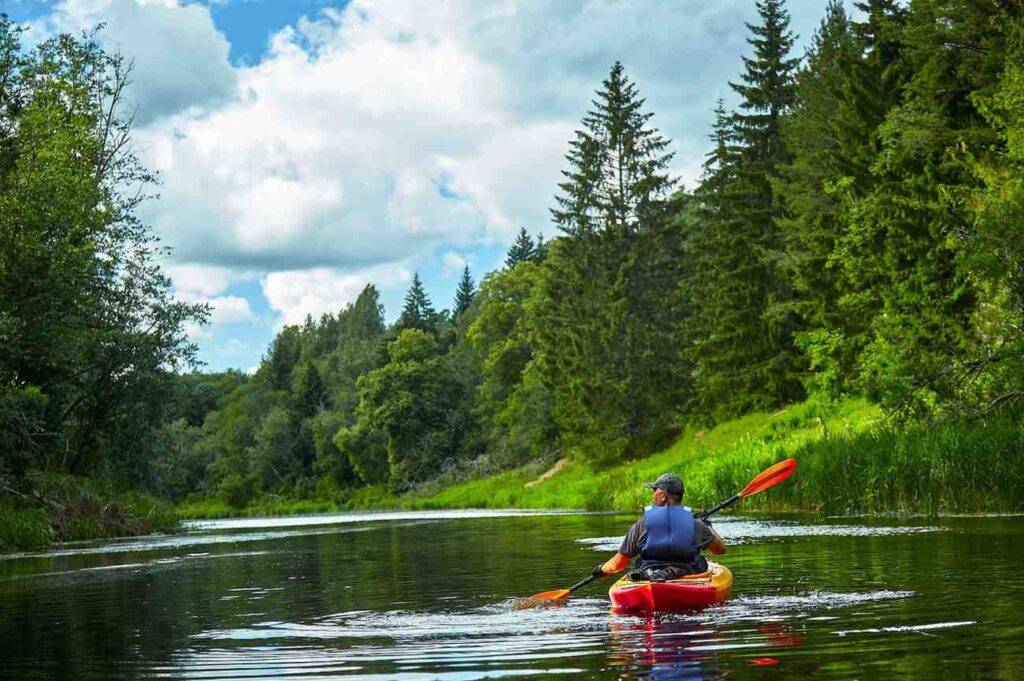
The fastest kayak isn’t always the best kayak.
The one that makes you confident enough to paddle every weekend usually wins.For many paddlers, that confidence comes from choosing the best lightweight kayak under 40 pounds, which is easier to carry, load, and launch without turning every trip into hard work.
The Mistakes That Quietly Add Time to Every Trip
Most beginners think they’re losing time because they’re weak.
That’s rarely the real reason.
These habits slow people down far more often.
- Gripping the paddle too tightly.
- Pulling with the arms instead of rotating the torso.
- Carrying unnecessary gear.
- Starting too fast and tiring early.
- Ignoring changing wind conditions.
- Taking a route that’s beyond their current skill level.
Building your skills gradually is one of the smartest habits you can develop. Following a guide on how to kayak in a river for beginners helps you gain experience on easier water before tackling more challenging routes.
Fix even two or three of those habits, and you’ll probably notice an improvement without becoming any stronger.
Frequently Asked Questions
1. How long does it take to kayak 5 miles?
Most recreational paddlers need about 1.5 to 2.5 hours in calm conditions. Wind, current, and rest breaks can increase that time.
2. How long does it take to kayak 10 miles?
For most people, 4 to 6 hours is a realistic estimate. Longer trips should include time for hydration, meals, and short rest stops.
3. How fast does a beginner usually kayak?
Most beginners average 2 to 3 miles per hour once they’re comfortable with basic paddle strokes.
4. What’s the fastest type of kayak?
Touring and sea kayaks are generally the fastest because their longer, narrower hulls glide more efficiently through the water.
5. Are fishing kayaks slower?
Usually, yes. Fishing kayaks are designed for stability, gear storage, and standing to cast rather than maximum speed.
6. How many calories do you burn kayaking one mile?
For most adults, paddling one mile burns roughly 50 to 100 calories, depending on body weight, paddling intensity, water conditions, and the type of kayak being used.
7. Can I kayak one mile without stopping?
Most beginners can on calm water, although taking a short break is perfectly normal during the first few outings.
8. Does wind make a big difference?
Absolutely. A strong headwind can noticeably slow your pace, while a tailwind often helps you cover the same distance with less effort.
9. Is one mile a good distance for a first kayaking trip?
Yes. One mile gives beginners enough time to practice paddling without becoming overly tired or uncomfortable.
10. How can I paddle faster without getting exhausted?
Improve your technique instead of trying to paddle harder. A relaxed grip, proper torso rotation, and smooth, consistent strokes will increase efficiency far more than raw strength.
Final Thoughts
People ask me how long it takes to kayak a mile because they’re looking for certainty.
The truth is, kayaking doesn’t work that way.
Water changes.
Wind changes.
Your energy changes.
Even the same lake can feel completely different from one weekend to the next.
That’s why experienced paddlers think in time ranges, not exact numbers.
For most recreational paddlers, one mile usually takes 20 to 30 minutes.
Some days it’ll be quicker.
Some days it’ll take longer.
Neither means you’re doing anything wrong.
Focus on developing smooth technique, choosing the right kayak for your style of paddling, and making smart safety decisions. Speed naturally improves with experience.
And once you stop watching the clock every few minutes, you’ll probably discover something better than a faster mile—you’ll enjoy every mile a lot more.