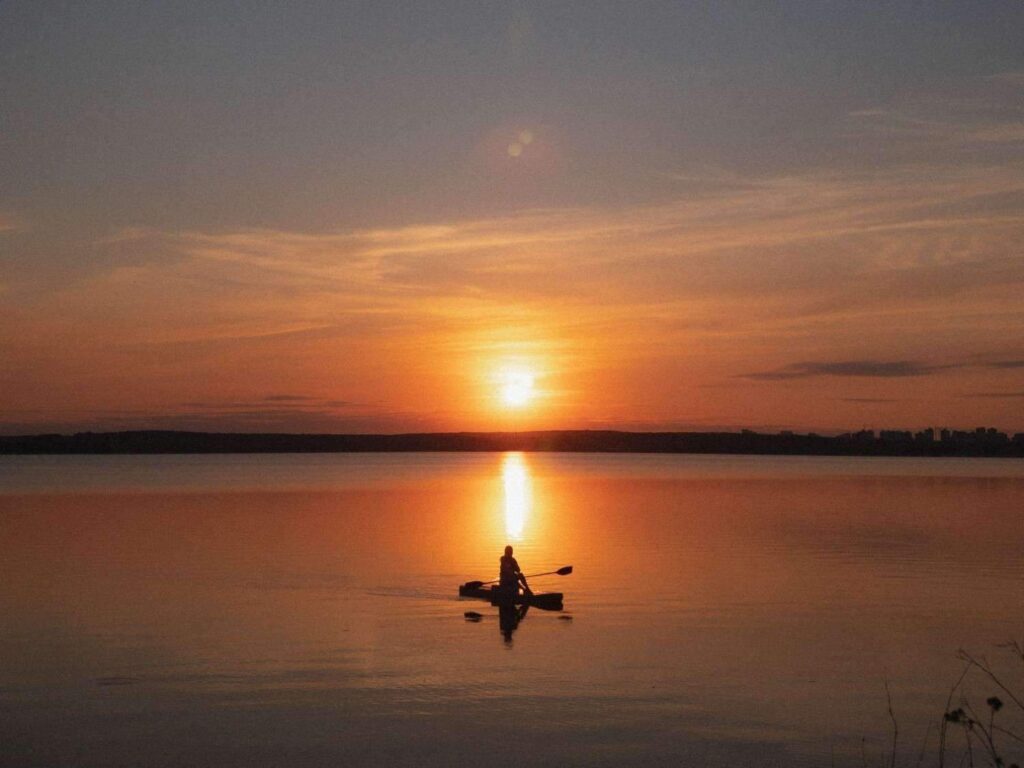
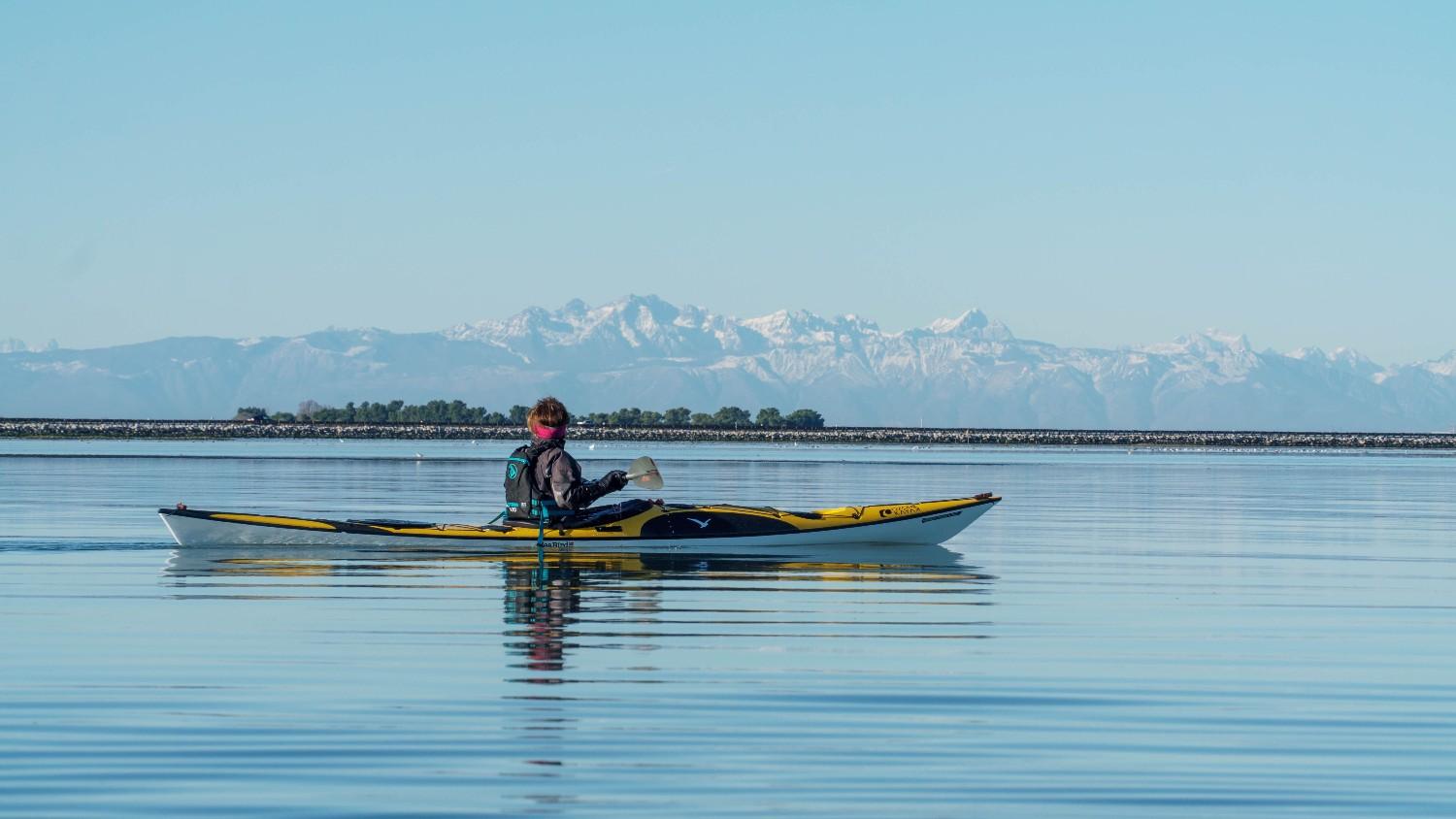
Ocean kayaking looks peaceful from shore.
Then you launch for the first time.
The beach suddenly feels far away. The swell lifts your kayak higher than expected. Wind pushes from the side. Your paddle splashes awkwardly. Every sound feels louder.
Yeah. That’s normal.
I’ve spent more than two decades paddling coastal water, guiding beginners, and helping people after things went sideways. The biggest surprise? Most ocean kayaking accidents don’t happen because people are reckless.
They happen because people underestimate how quickly the ocean changes.
The ocean doesn’t care if you’re experienced. It rewards preparation and punishes assumptions.
Once you understand that, everything becomes easier.
Quick Answer: What Actually Matters Most?
If you’re brand new, don’t obsess over speed, expensive gear, or fancy techniques.
Focus on these first.
| Thing | What Beginners Should Choose | Why |
| Kayak | Sit-on-top, 11–13 feet | Stable and easy to re-enter |
| Weather | Wind under 10 mph | Less fatigue and better control |
| Waves | Under 2 feet | Easier launches and landings |
| Distance | Stay within 300–500 yards of shore | Easy return if conditions change |
| Clothing | Dress for water temperature | Cold water is more dangerous than cold air |
| Safety Gear | PFD, whistle, leash, phone in dry bag | Small items that save lives |
Notice something?
Nothing there says “be strong.”
Because ocean kayaking isn’t a strength sport.
It’s mostly judgment.
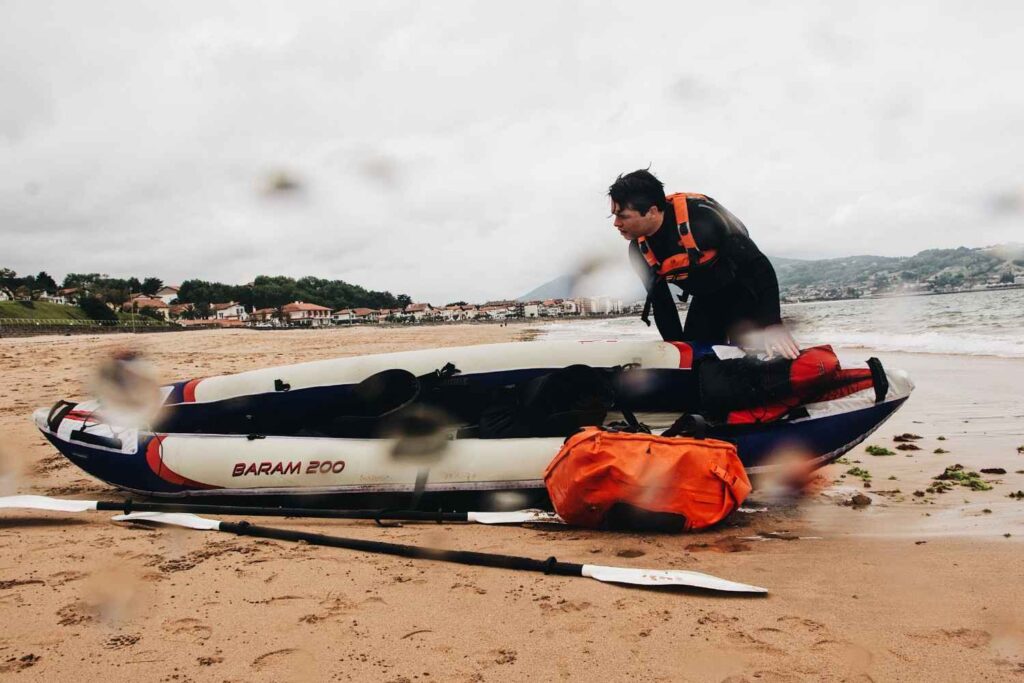
The First Ocean Mistake Almost Everyone Makes
Beginners think waves are the scary part.
They’re not.
Wind is the real bully.
I’ve watched people launch into perfectly calm water at 8 AM.
By 11 AM?
The breeze builds to 15 mph.
Suddenly paddling back feels like trying to bike uphill in soft sand.
Arms burn.
Progress slows.
Panic creeps in.That’s why many first-time paddlers start with the best sit-on-top kayak for ocean beginners, as the added stability and easy re-entry can help build confidence when conditions become challenging.
The ocean didn’t become dangerous.
Conditions just changed faster than they expected.
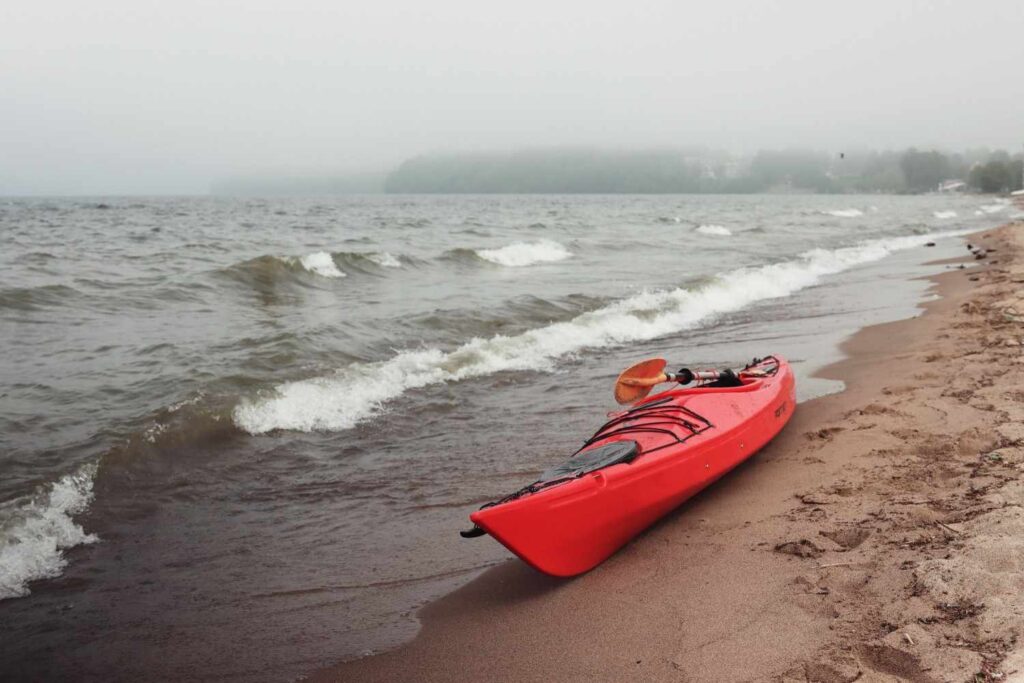
This is why experienced paddlers check:
- Wind forecast
- Tide schedule
- Wave height
- Current direction
- Air temperature
- Water temperature
That last one surprises people.
Because cold water can wreck your day even on a warm summer afternoon.
The Scariest Rescue I Ever Saw Started on a Perfect Day
About fifteen years ago I was paddling near a sheltered bay.
Blue sky.
Tiny waves.
Beach crowded with families.
A young guy launched alone in a cheap recreational kayak.
No PFD.
No whistle.
No phone.
He wasn’t doing anything crazy.
Just exploring.
An hour later the wind shifted.
Nothing dramatic.
Maybe 15 mph.
But his kayak had a tall seat and a wide bow. Every gust pushed him sideways.
Instead of paddling diagonally toward shore, he fought directly into the wind.
For forty minutes.
Eventually he exhausted himself.
When we reached him, he wasn’t injured.
He wasn’t hypothermic.
He was simply done.
Hands shaking.
Breathing hard.
Embarrassed.
The weird part?
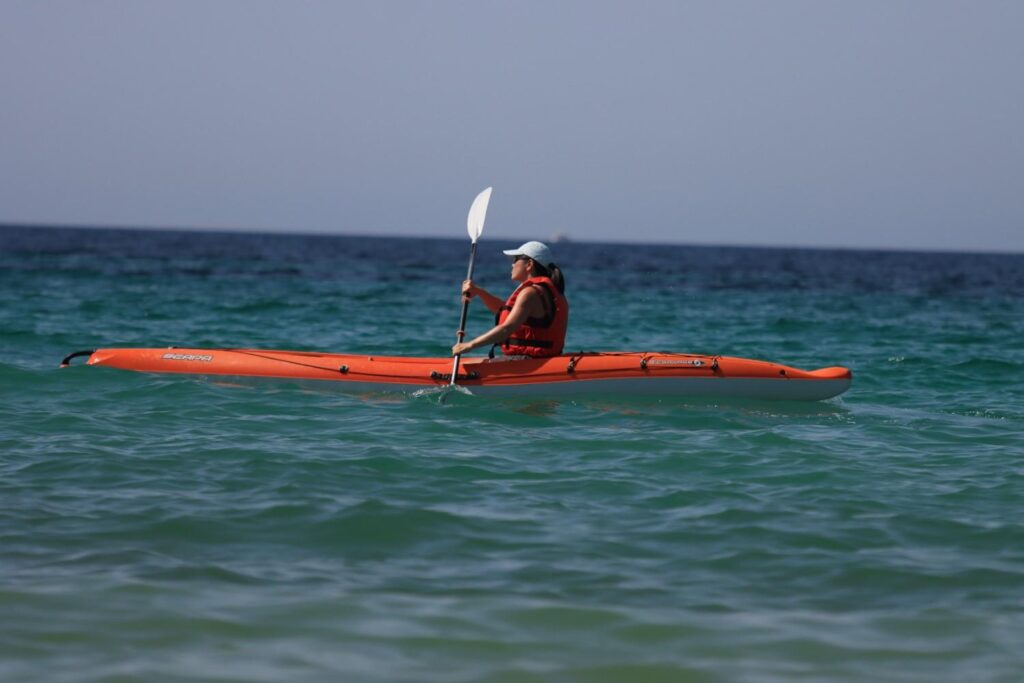
He was less than half a mile offshore.
Distance isn’t what gets beginners. Fatigue does.
That lesson stuck with me.
The ocean rarely announces danger with a giant wave.
Usually it whispers first.
Team A vs Team B: Which Beginner Actually Gets Home Happier?
I’ve watched this play out hundreds of times.
Team A
- Launches early morning
- Checks wind and tides
- Wears a PFD
- Stays near shore
- Turns back while still feeling fresh
- Carries safety gear
Team B
- Launches at noon
- Checks weather once yesterday
- Leaves PFD behind because “it’s calm”
- Keeps paddling farther
- Gets tired before returning
- Assumes nothing will go wrong
Guess who has more fun?
Team A.
Every time.
Ocean kayaking rewards people who quit while things are still easy.
That’s not fear.
That’s wisdom.

Learn to Read Water Before You Read Gear Reviews
Most beginners spend weeks researching kayaks.
Very few spend an hour learning how water moves.
That’s backwards.
The ocean is always talking.
You just need to learn its language.
Watch for:
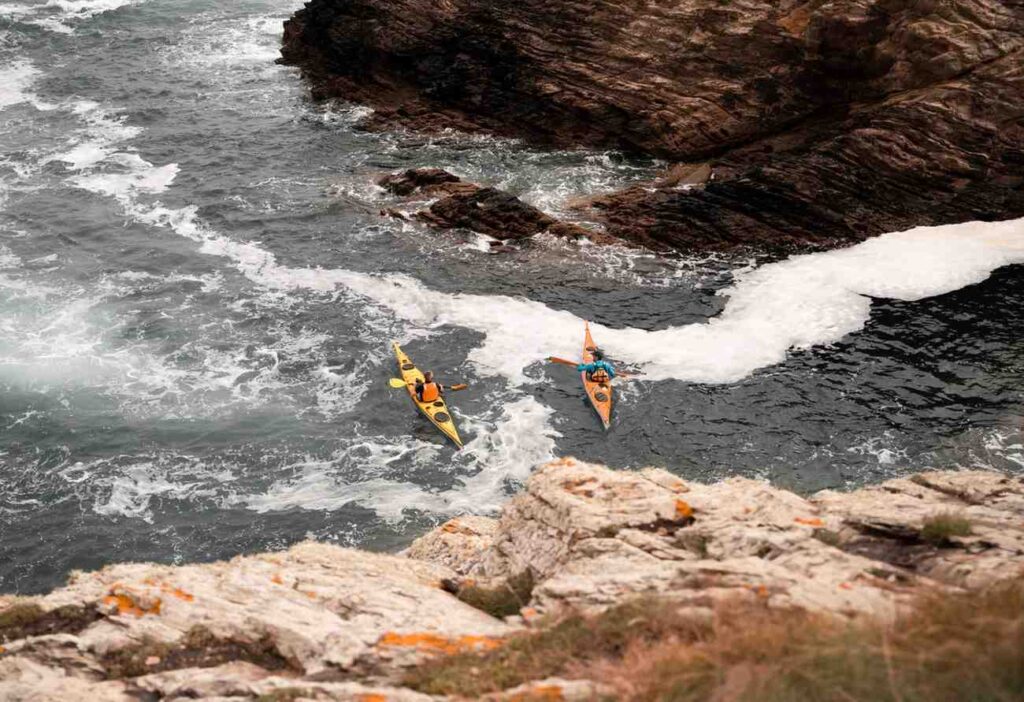
- Dark patches = stronger wind
- Whitecaps = waves beginning to break
- Foam lines = current boundaries
- Water moving sideways near shore = rip current
- Seabirds hovering repeatedly = baitfish and changing currents
- Boats bouncing suddenly = rougher water ahead
Here’s an easy exercise.
Stand on the beach for ten minutes before launching.
Don’t touch your kayak.
Just watch.
See where waves break.
Notice where swimmers avoid entering.
Look for sections where water flows strangely.
That quiet observation often teaches more than an hour on YouTube.
Cold Water Is Sneakier Than Big Waves
This catches people every season.
Air temperature: 80°F.
Water temperature: 58°F.
Feels like summer.
Acts like spring.
Fall into that water unexpectedly and your body can react violently.
Breathing becomes rapid.
Muscles tighten.
Fine motor control disappears.
People imagine hypothermia happens hours later.
Sometimes the dangerous part happens in the first minute.
Dress for the water, not the weather.Just as important, keep your essentials protected with the best kayak dry bag, so extra clothing, your phone, and emergency gear stay dry if conditions change unexpectedly.
A wetsuit or drysuit might feel excessive standing on shore.
Once you’re floating beside your kayak in cold water, it feels like genius.
The Weirdest Beginner Mistake I Ever Saw
This one still makes me laugh.
A guy showed up with beautiful gear.
Carbon paddle.
Expensive GPS.
High-end kayak.
Everything.
He launches.
Starts paddling.
And keeps drifting left.
He paddles harder.
Still drifts left.
More power.
More frustration.
After ten minutes he shouts:
“Something’s wrong with this kayak!”
Nothing was wrong.
He had attached his skeg backward.
For anyone unfamiliar, a skeg is a small fin under the kayak that helps it track straight.
Installed backward, it behaved like a tiny underwater rudder fighting him every stroke.
We fixed it in thirty seconds.
Problem solved.
Point is:
Expensive gear won’t save you from simple mistakes.
Basic knowledge beats fancy equipment almost every time.
The Launch Is Often Harder Than the Paddle
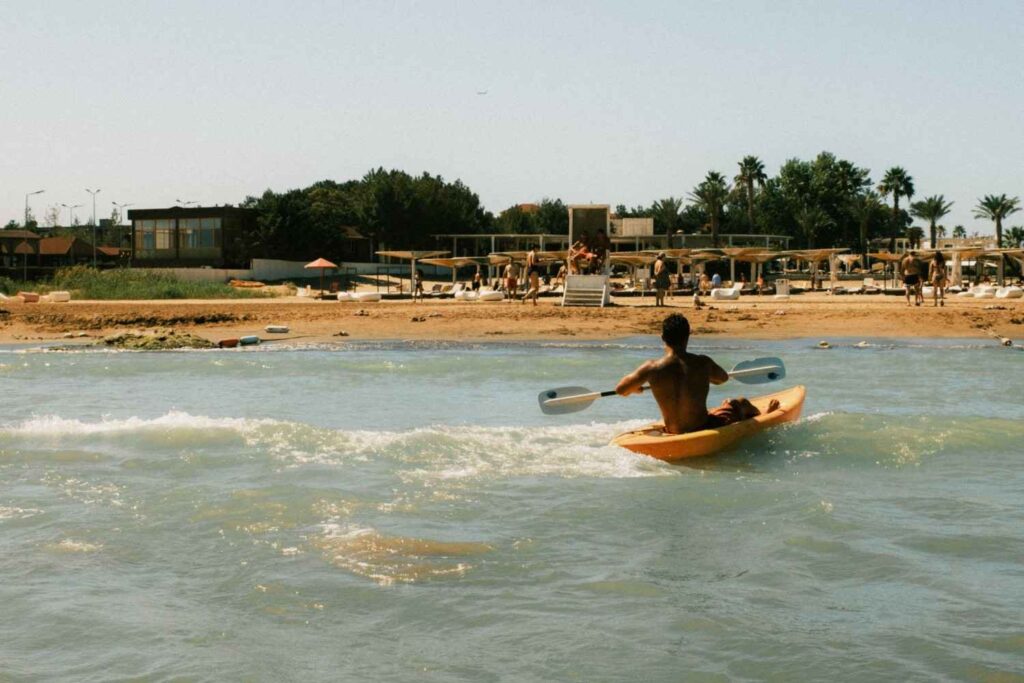
Most ocean flips happen near shore.
Not offshore.
Why?
Because waves are messy where they break.
Timing matters.
Here’s the routine I teach beginners:
Watch five or six waves first.
Notice the rhythm.
Push off during a calmer gap.
Get seated quickly.
Paddle with confidence.
Don’t stop halfway.
Hesitation is what flips people.
Think of launching like merging onto a highway.
Slow and uncertain feels safer.
Actually, it’s usually worse.
Commit.
Move forward.
Keep your momentum.
What To Do If You Flip
Because eventually…
Almost everyone does.
And that’s okay.
First rule?
Stay with your kayak.
The kayak floats.
You might not.
Second:
Don’t rush.
Take one breath.
Then another.
Most beginners burn energy fighting panic instead of solving the problem.
If you’re using a sit-on-top kayak:
- Flip it upright
- Position yourself beside the seat
- Kick your legs
- Pull your chest across the seat
- Rotate your body back on top
- Rest before paddling again
Practice this near shore.It’s also the safest place to practice getting into a kayak, so you can build confidence and improve your balance before heading into deeper or more challenging water.
Seriously.
The first time shouldn’t happen half a mile offshore with waves slapping your face.
The Safety Gear Most People Skip
Nobody forgets their paddle.
Funny how often they forget the gear that matters more.
Carry:
- Properly fitted PFD
- Whistle
- Paddle leash
- Phone in waterproof case
- Dry bag
- Drinking water
- Small first aid kit
- Sun protection
- Emergency snack
A comfortable PFD is much more likely to stay on all day, which is why many paddlers look for the best kayak life jacket for women to get a secure fit without sacrificing comfort or freedom of movement.
Simple stuff.
Tiny weight.
Huge difference.
I’ve used my whistle more times than my first aid kit.
And thankfully, far fewer times than my sunscreen.
How Far Offshore Should Beginners Go?
Short answer?
Not far.
Here’s my personal rule:
If swimming back sounds impossible, you’re too far away.
For first trips:
- Stay inside protected bays
- Keep shore clearly visible
- Remain within easy paddling distance
- Avoid open crossings
- Paddle with a partner whenever possible
Having someone with you is especially valuable when you’re learning how to kayak in a river for beginners, where changing currents and unexpected obstacles can make shared experience and assistance much more important.
Confidence grows quickly.
Distance can wait.
The ocean isn’t going anywhere.
The Moment You Start Feeling Cocky Is Usually The Dangerous Part
First trip?
People are cautious.
Second trip?
Still careful.
Third or fourth?
That’s when trouble sneaks in.
Because things feel familiar.
You stop checking forecasts.
Launch a little farther.
Ignore small warnings.
Every experienced paddler I know has a story that starts with:
“I thought I’d done this enough times…”
Respect never becomes optional.
Even after twenty-five years.
Actually, especially after twenty-five years.
FAQ
Is ocean kayaking safe for beginners?
Absolutely.
But beginners should stick to calm conditions, protected water, and short trips.
The ocean isn’t dangerous by default.
Bad decisions are.
Start small.
Build experience gradually.
What’s the best kayak for ocean beginners?
A stable sit-on-top kayak around 11 to 13 feet long is hard to beat.
They’re easier to climb back onto after a flip and generally more forgiving in waves.
Narrow racing kayaks can wait.
What wind speed is too much?
For beginners, I tell people:
Under 10 mph = comfortable.
10–15 mph = challenging.
Over 15 mph = stay on shore unless you’re experienced.
Could an expert paddle in stronger wind?
Sure.
But that’s not the goal.
The goal is enjoying yourself and getting home smiling.
Should I kayak alone in the ocean?
Not at first.
A partner gives you:
- Extra eyes
- Extra gear
- Help after a capsize
- Someone to make better decisions when stress kicks in
Even experienced paddlers prefer company.
There’s a reason for that.
What if I panic after flipping?
Everyone thinks they’ll panic.
Most don’t.
Because training beats fear.
Practice re-entering your kayak near shore.
Do it once.
Then do it again.
When the real moment comes, your body remembers.
That’s incredibly reassuring.
Final Thoughts
After all these years, here’s the thing I wish every beginner understood:
The goal isn’t conquering the ocean.
It’s learning to work with it.
Some days the sea invites you farther.
Other days it tells you to stay close to shore.
Listen.
The best paddlers I know aren’t fearless.
They’re observant.
Patient.
Prepared.
And they never stop respecting the water.
Do that consistently and something wonderful happens.
The nervous first launch becomes routine.
The sound of waves stops feeling intimidating.
You start noticing dolphins instead of worrying about balance.
Then one morning you’re gliding across glassy water at sunrise, completely relaxed, and you’ll remember how nervous you felt on day one.
That’s when you’ll realize:
You didn’t beat the ocean.
You learned its rhythm.
And now you belong out there.