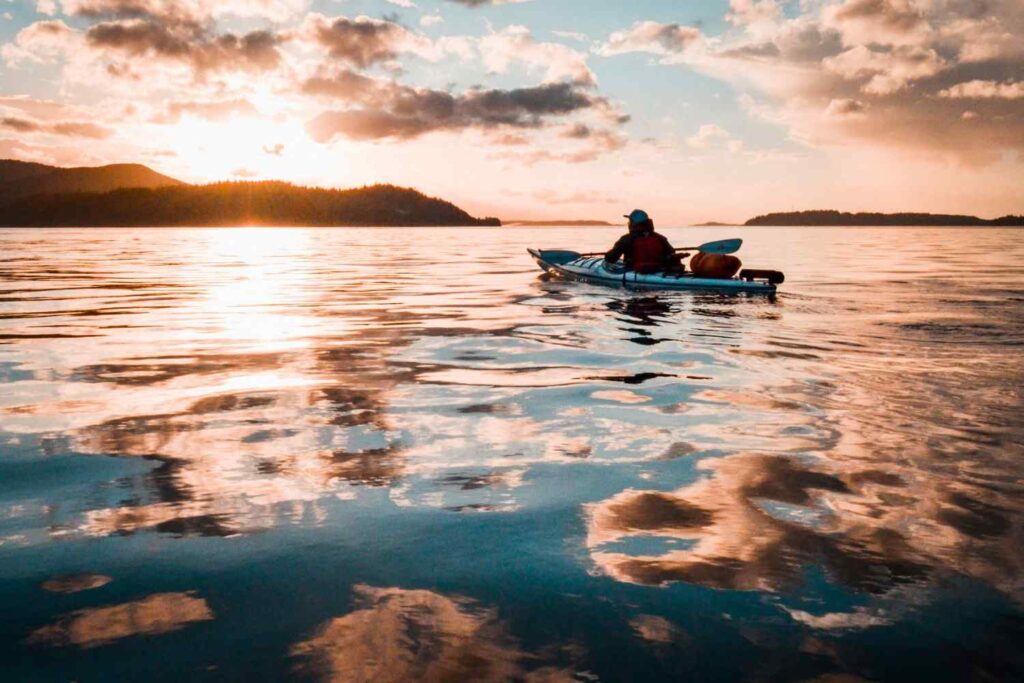
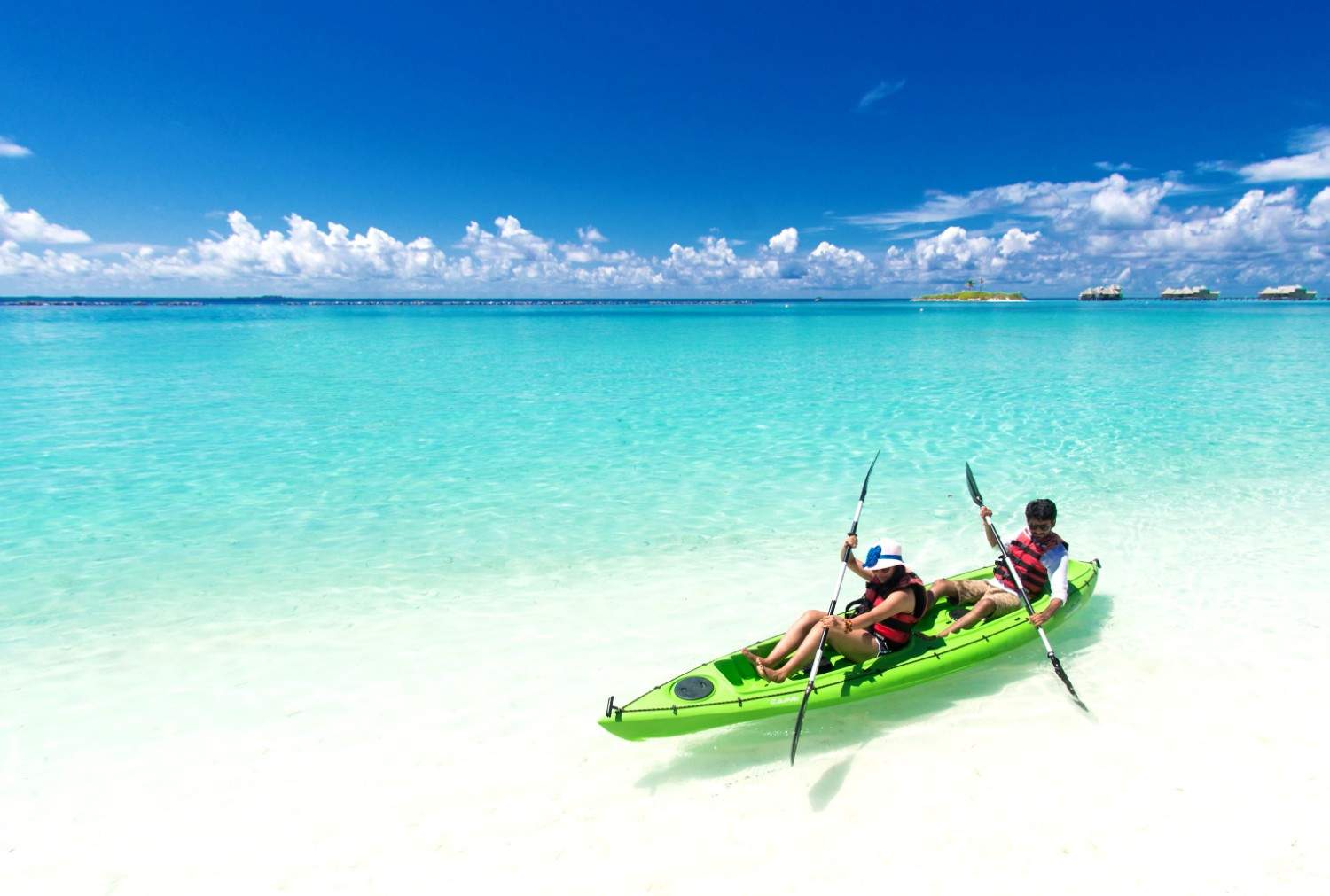
The ocean is honest.
Too honest sometimes.
A lake forgives mistakes.
The ocean remembers them.
That’s why I get nervous when beginners tell me:
“I just want the fastest kayak.”
Or worse:
“I found a cheap one online.”
No.
Speed isn’t your problem.
Price isn’t your problem.
Your first ocean kayak needs to make mistakes feel small.
Because mistakes will happen.
You’ll paddle at the wrong angle.
A wave will surprise you.
You’ll lean farther than you meant to.
The kayak should forgive all of that.
And that’s exactly why most beginners are happier in a sit-on-top kayak.
You fall off?
Climb back on.
Water comes aboard?
Scupper holes drain it.
Panic a little?
Take a breath.
You’re still floating.
Simple.
The Quick Answer If You Want The Best Options
| Kayak | Best For | Length | Biggest Strength |
| Ocean Kayak Malibu 11.5 | Best Overall | 11’5″ | Stable and beginner friendly |
| Perception Tribe 11.5 | Stability | 11’5″ | Extremely forgiving |
| Wilderness Systems Tarpon 120 | Performance | 12′ | Smooth ocean tracking |
| Ocean Kayak Prowler 13 | Speed + Fishing | 13’4″ | Handles chop beautifully |
| Vibe Yellowfin 120 | Versatility | 12′ | Great balance of speed and stability |
If I had to recommend one kayak to a complete beginner?
Perception Tribe 11.5.
Not because it’s the fastest.
Because it’s the kayak that scares beginners the least.
That matters.
More than most people realize.
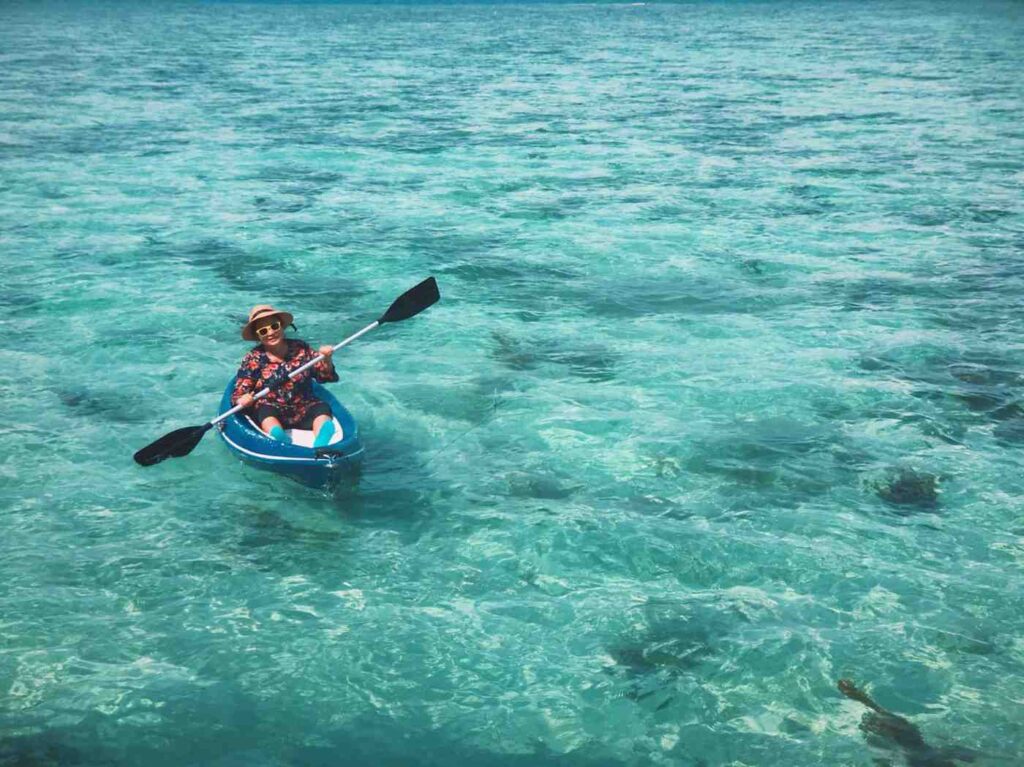
The Biggest Mistake Ocean Beginners Make
They shop like they’re buying a lake kayak.
The ocean laughs at that.
Out there, three things matter immediately:
- Stability
- Tracking
- Self-rescue ability
That’s it.
Cup holders?
Nice.
Storage hatches?
Cool.
Among all kayak accessories, the ones that improve comfort, organization, and convenience often make the biggest difference on the water.
Bluetooth speakers?
Nobody cares when waves are hitting sideways.
A beginner’s ocean kayak should prioritize confidence over excitement.
This is the part everyone misses.
The kayak that feels “a little boring” on day one often becomes your favorite kayak six months later.
Because boring usually means stable.
Stable means fun.
Fun means you paddle more.
And paddling more is how people get good.
Why Sit-On-Top Beats Sit-Inside For Most Ocean Beginners
I know.
Sit-inside kayaks look sleek.
Fast too.
But the ocean changes the equation.
I’ve watched beginners capsize in both.
The sit-inside paddler?
Panic.
Wet exit.
Confusion.
The sit-on-top paddler?
Laughs.
Climbs back on.Learning the basics of getting into a kayak is part of what makes these boats so beginner-friendly.
Keeps going.
That’s a massive difference psychologically.
Sit-On-Top Advantages
- Easier self-rescue
- Better stability
- Drains water automatically
- More freedom of movement
- Less intimidating
Sit-Inside Advantages
- Faster
- Drier in cold weather
- Better protection from wind
For beginners?
I’d still choose sit-on-top every time.
Confidence is worth more than speed.
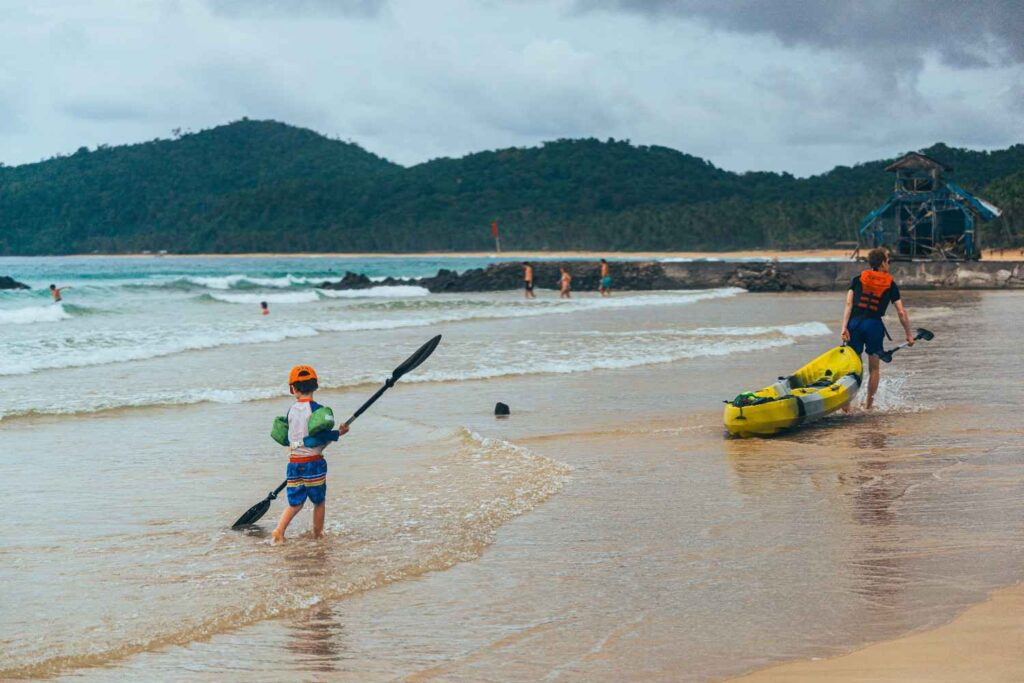
The Perception Tribe 11.5: The Kayak I Recommend Most Often
This kayak has something I love.
Predictability.
Nothing about it surprises you.
You lean?
It responds calmly.
Small waves?
No problem.
A boat wake appears unexpectedly?
Still manageable.
The Tribe isn’t flashy.
That’s the point.
Why Beginners Love It
- Wide hull
- Stable platform
- Comfortable seat
- Good ocean manners
- Easy to re-enter
I’ve seen nervous first-timers relax within fifteen minutes.
That’s not luck.
That’s design.
The best beginner kayak doesn’t make you feel brave.
It makes bravery unnecessary.
Ocean Waves Feel Bigger Than They Look
This catches almost everyone.
From shore?
The ocean looks calm.
Once you’re sitting inches above water?
Everything feels larger.
A one-foot wave suddenly feels like a wall.
A passing boat wake feels dramatic.
Good news?
Your brain adapts quickly.
Here’s What Helps
- Keep paddling through waves
- Look toward the horizon
- Stay loose in your hips
- Let the kayak move naturally
Beginners try to fight waves.
Experienced paddlers move with them.
Think of it like riding a horse.
If you stiffen up, everything feels rougher.
Relax.
Trust the boat.
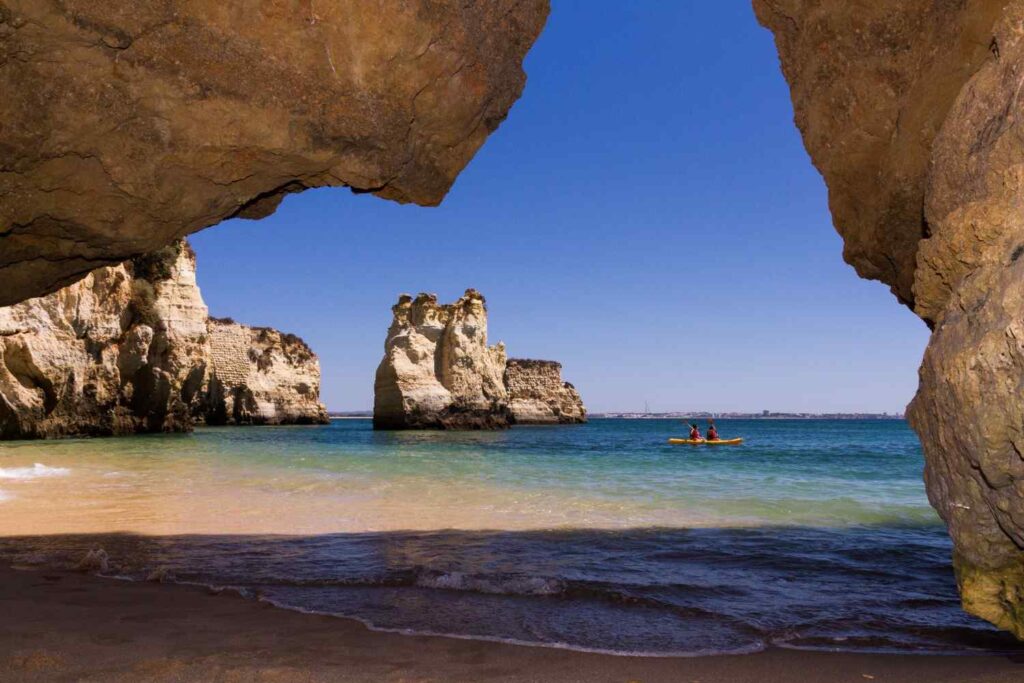
Width Vs Speed: Why Slow Is Sometimes Faster
People obsess over speed.
I understand.
Nobody wants to feel sluggish.
But here’s something I’ve learned:
The fastest kayak is the one you’re comfortable paddling confidently.
Not the one with the highest top speed.
Here’s why.
| Wide Kayak | Narrow Kayak |
| More stable | Faster |
| Easier for beginners | Less forgiving |
| Better in rough water | More efficient |
| Easier self-rescue | Requires more skill |
A nervous paddler in a fast kayak moves slowly.
A confident paddler in a stable kayak keeps moving.
Guess who arrives first?
Exactly.
Team A Vs Team B: The Ocean Teaches This Lesson Fast
Team A
Buys the sleek kayak.
Focuses on:
- Speed
- Appearance
- Narrow hull
- Marketing hype
First ocean trip:
- Feels unstable
- Gets nervous
- Stays close to shore
- Doesn’t enjoy the experience
Team B
Chooses:
- Stability
- Comfortable seat
- Easy self-rescue
- Beginner-friendly design
First ocean trip:
- Explores confidently
- Learns faster
- Handles waves calmly
- Starts planning the next trip
The difference isn’t courage.
It’s comfort.
Comfort creates confidence.
Confidence creates experience.
Experience creates skill.
Wind Changes Everything
This deserves its own section.
Because wind ruins more beginner trips than waves.
Seriously.
I’ve watched perfectly calm water transform in twenty minutes.
Suddenly:
- The kayak drifts sideways
- Paddling feels exhausting
- Returning to shore takes forever
The ocean doesn’t need big waves to become difficult.
Wind alone can do it.
Small Wind Tips That Matter
- Paddle early morning
- Stay close to shore
- Check wind forecasts before launching
- Paddle into the wind first, not last
- Turn back earlier than you think
Wind conditions matter even more when using an inflatable kayak, as lighter boats can be affected more noticeably by changing weather and strong gusts.
This is the habit experienced paddlers develop.
They don’t ask:
“Can I keep going?”
They ask:
“Will getting back still be easy?”
Very different question.
Much smarter.
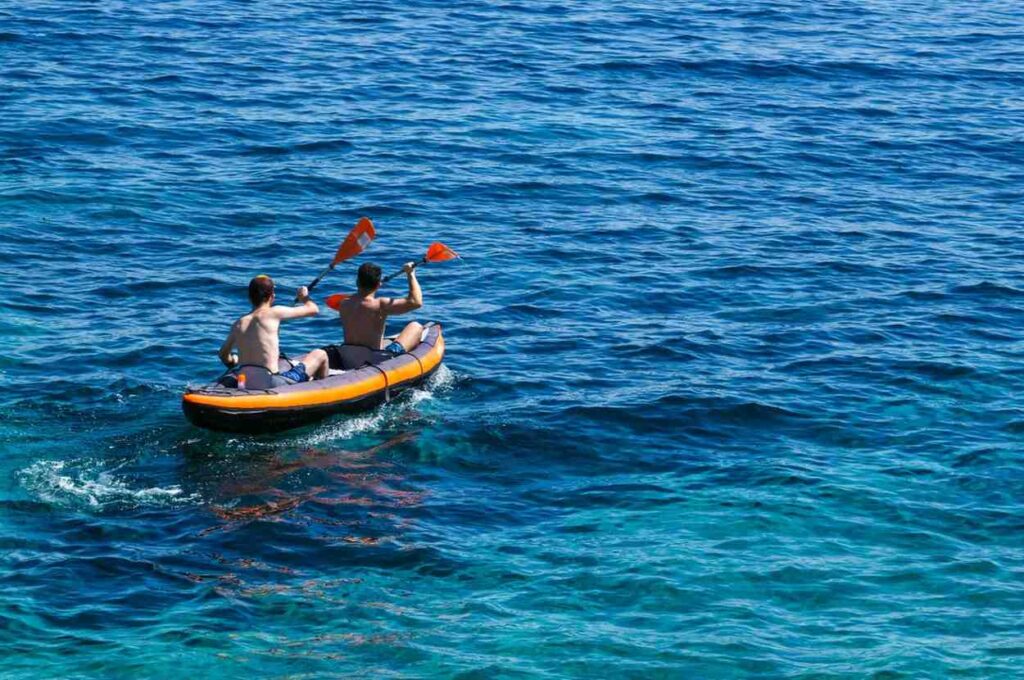
The Weirdest Beginner Mistake I’ve Ever Seen
A guy bought an expensive ocean kayak.
Top-tier model.
Carbon paddle.
Premium gear.
Launched straight into shoulder-high surf.
No lessons.
No practice.
No clue.
Three waves later he was swimming.
He sold the kayak a month later.
Said ocean kayaking wasn’t for him.
It wasn’t true.
He skipped the boring part.
The learning part.
The confidence-building part.
I’ve seen seventy-year-olds learn ocean kayaking.
I’ve seen teenagers struggle.
Skill matters.
Patience matters.
Ego hurts.
The ocean is funny that way.
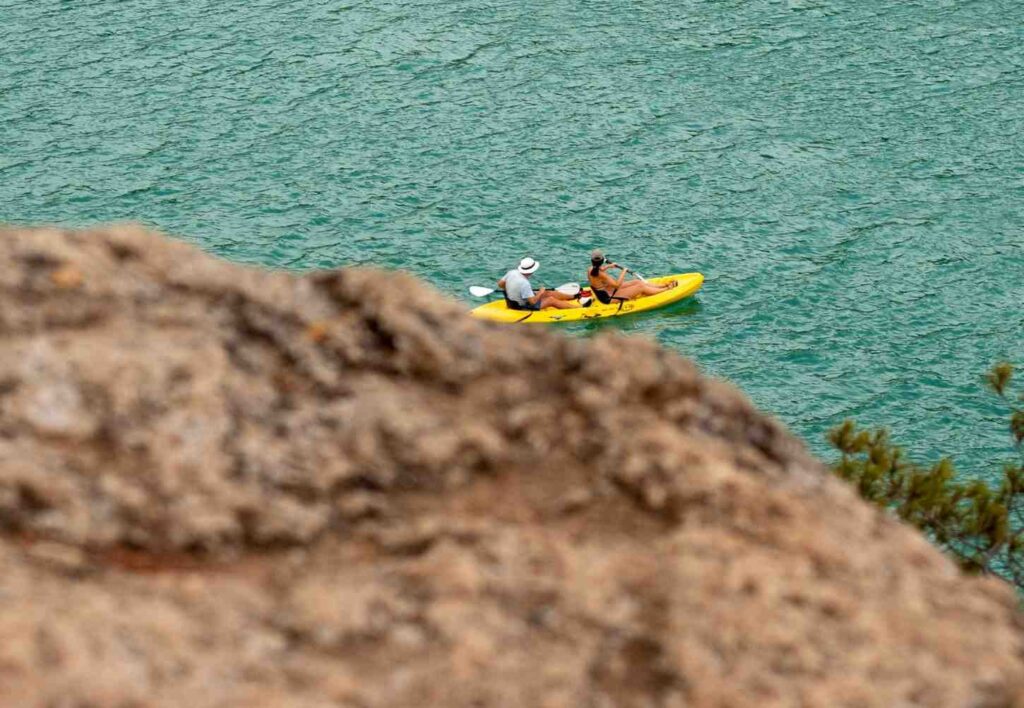
Common Mistakes Ocean Beginners Make
Avoid these and you’ll learn faster.
- Buying for speed
- Launching in rough conditions
- Ignoring wind forecasts
- Paddling too far offshore
- Skipping self-rescue practice
- Wearing uncomfortable life jackets
- Going alone too early
afety should always come first, especially for new paddlers. Choosing the best kayak life jacket for women is one of the simplest ways to stay protected and paddle with more confidence.
And here’s one nobody talks about.
People stay out too long.
The paddle back is always harder.
Always.
Save energy.
Future you will appreciate it.
Frequently Asked Questions
What’s the best sit-on-top kayak for ocean beginners?
For most beginners:
Perception Tribe 11.5.
Stable.
Forgiving.
Easy to learn.
Is sit-on-top safer than sit-inside?
For beginners in the ocean?
Usually yes.
They’re easier to re-enter after capsizing and less intimidating overall.
How long should an ocean kayak be?
Most beginners do well between:
- 11 to 13 feet
Long enough for tracking.
Short enough to remain manageable.
Can beginners handle ocean waves?
Absolutely.
Start small.
Choose calm days.
Build confidence gradually.
What’s more important: speed or stability?
Stability.
Always.
Speed becomes fun later.
Confidence comes first.
Final Thoughts
Here’s something I wish every beginner understood.
The ocean isn’t testing you.
It isn’t trying to embarrass you.
It doesn’t care whether you’re experienced or brand new.
It’s simply asking:
“Did you prepare?”
A stable kayak is part of that preparation.Just as important is knowing how to transport a kayak safely, since poor transportation can damage your boat before it even reaches the water.
So is patience.
So is humility.
Pick a kayak that forgives mistakes.
Launch on calm mornings.
Stay closer to shore than your ego wants.
Learn slowly.
And one day you’ll notice something strange.
The waves that once scared you…
Are now the reason you paddle.
That’s when you know.
You stopped being a beginner.
Not because the ocean changed.
Because you did.