
Quick Answer
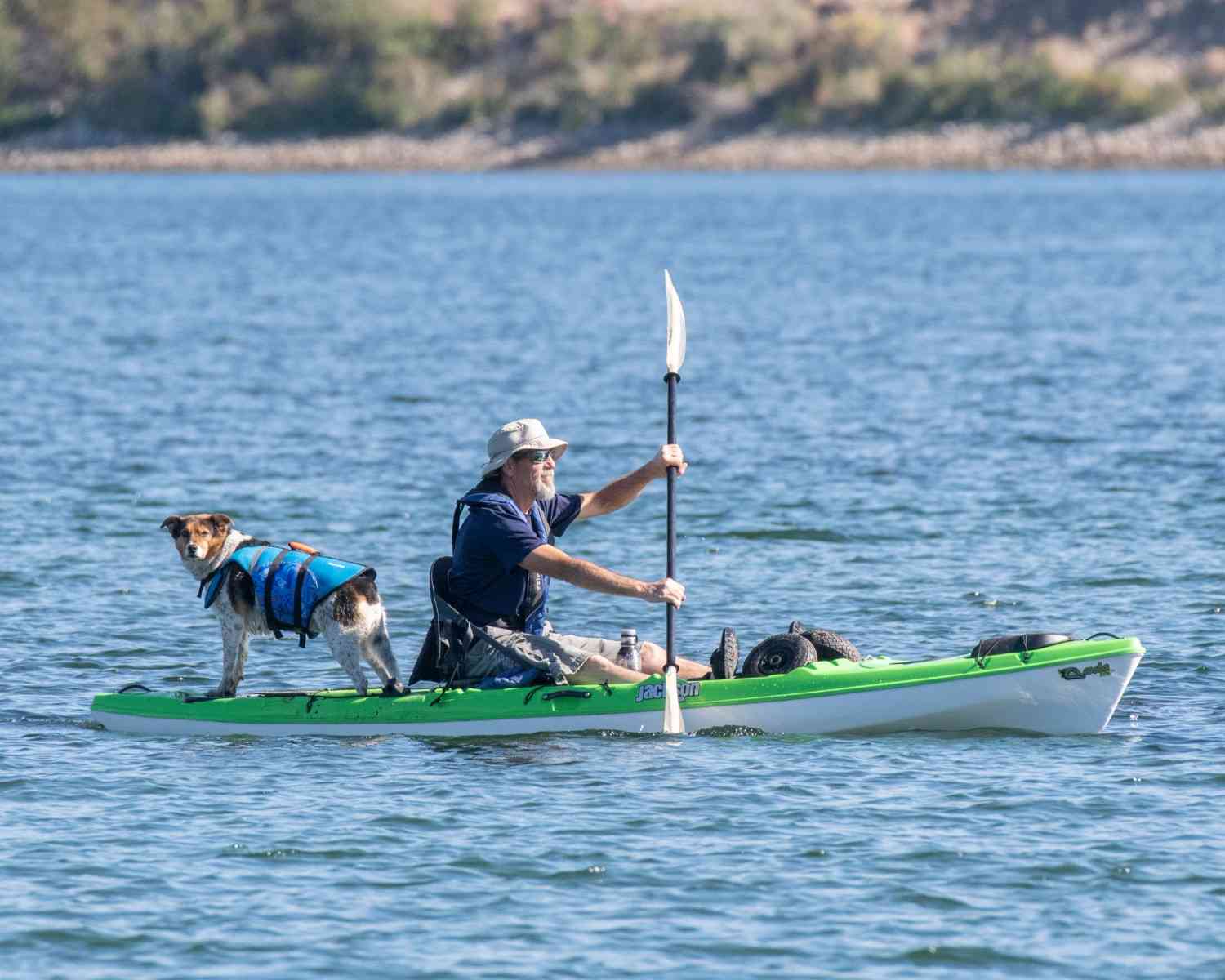
Yes, you can absolutely kayak with a dog—even if it’s your first season on the water.
The biggest mistake isn’t choosing the wrong kayak. It’s taking a dog on a full paddling trip before teaching it to feel comfortable around the kayak on land.
I’ve watched calm, well-trained dogs jump overboard simply because the kayak rocked unexpectedly. I’ve also seen energetic rescue dogs become perfect paddling partners because their owners spent two weekends practicing before ever launching.
Your dog’s confidence matters just as much as yours.
If one of you is nervous, the trip becomes harder for both.
Why the First Trip Usually Goes Wrong
Most beginners assume the challenge is teaching the dog.
It usually isn’t.
The owner creates the problem without realizing it.
They buy a life jacket.
Pack treats.
Load the kayak.
Drive to the lake.
Then expect the dog to happily jump into a narrow floating object it has never seen before.
Imagine someone asking you to step onto a floating log without explanation.
You’d hesitate too.
Dogs aren’t stubborn.
They’re cautious.
That’s a good thing.
The first lesson should happen in your yard, driveway, or garage—not in the middle of a lake.
Team A vs. Team B
Every first trip falls into one of these categories.
| Situation | Team A | Team B |
| Dog’s Experience | Never been in a kayak | Already comfortable around kayaks |
| Water Conditions | Calm lake or pond | Rivers, bays, or coastal water |
| Trip Length | 15–30 minutes | One hour or longer |
| Goal | Build confidence | Enjoy the adventure |
If your dog belongs in Team A, don’t plan a half-day fishing trip.
Plan a successful twenty-minute paddle instead.
Confidence grows one good experience at a time.
Start Training Before the Kayak Touches Water
This is the step almost everyone skips.
And it’s the reason many first trips become stressful.
Set the kayak on the grass.
Leave it there.
Let your dog sniff it.
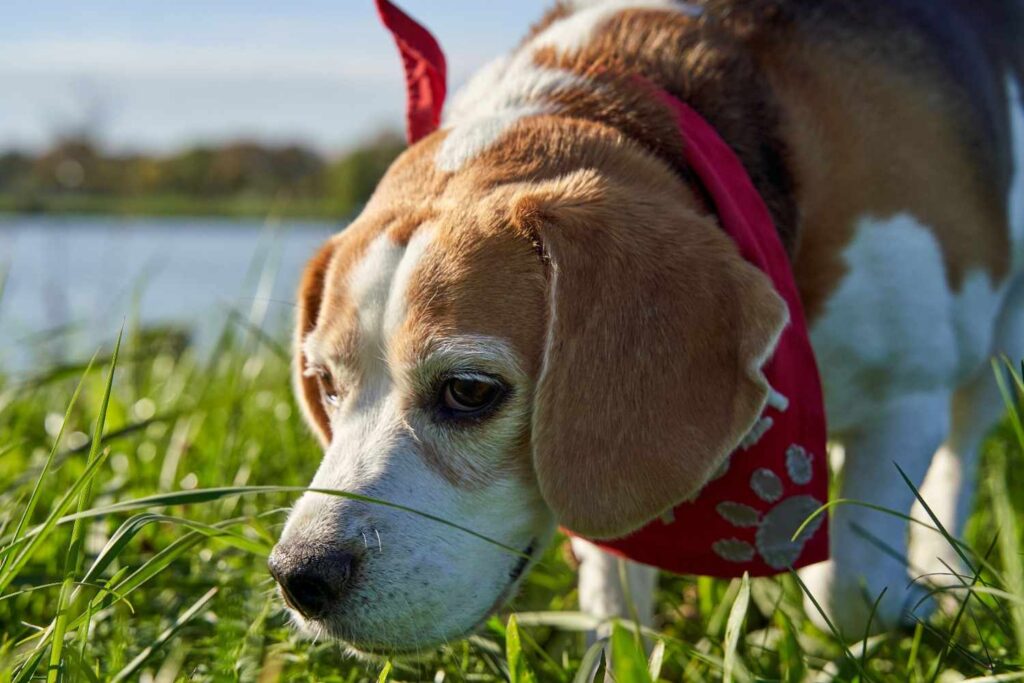
Walk around it.
Reward curiosity.
Don’t force anything.
After a few minutes, encourage your dog to step inside while the kayak is completely stable.
Give praise.
Offer a favorite treat.
Then end the session.
That’s it.
The goal isn’t paddling.
The goal is teaching your dog that the kayak is a safe place.
I’ve seen dogs that refused to get inside on Saturday happily jump in by Sunday afternoon because nobody rushed them.
The Best Kayak Isn’t Always the Fastest One
Beginners often ask me which kayak is best for paddling with a dog.
My answer surprises them.
Choose stability before speed.That’s why many first-time paddlers start with the best sit-on-top kayak for ocean beginners, where extra stability builds confidence and makes learning in open water much more enjoyable.
A kayak that feels slightly slower but stays steady will build confidence much faster than a narrow performance kayak that rocks every time your dog shifts its weight.
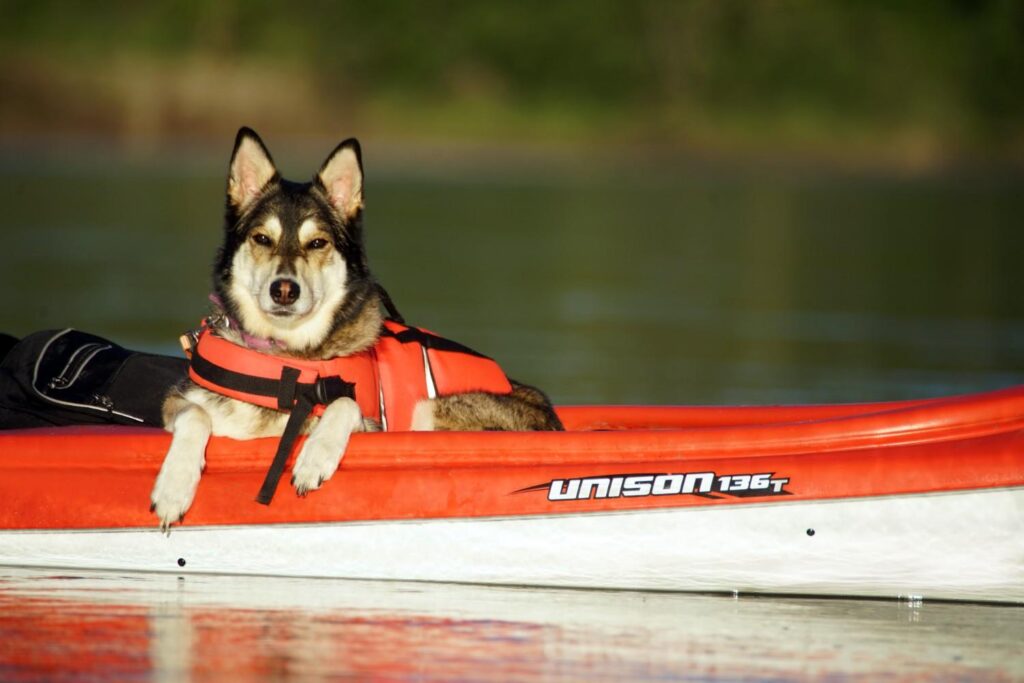
Here’s a simple comparison.
| Kayak Type | Stability | Space for Dog | Beginner Friendly |
| Recreational Sit-On-Top | Excellent | Excellent | Yes |
| Recreational Sit-Inside | Good | Moderate | Yes |
| Fishing Kayak | Excellent | Excellent | Yes |
| Touring Kayak | Moderate | Limited | Better for experienced paddlers |
Notice a pattern?
The kayaks most beginners overlook are usually the easiest ones to share with a dog.
One Piece of Equipment You Should Never Skip
People ask whether dogs really need life jackets.
My answer has never changed.
Yes. Every time.
Even strong swimming breeds become tired.
Cold water reduces strength.
Fast current changes everything.
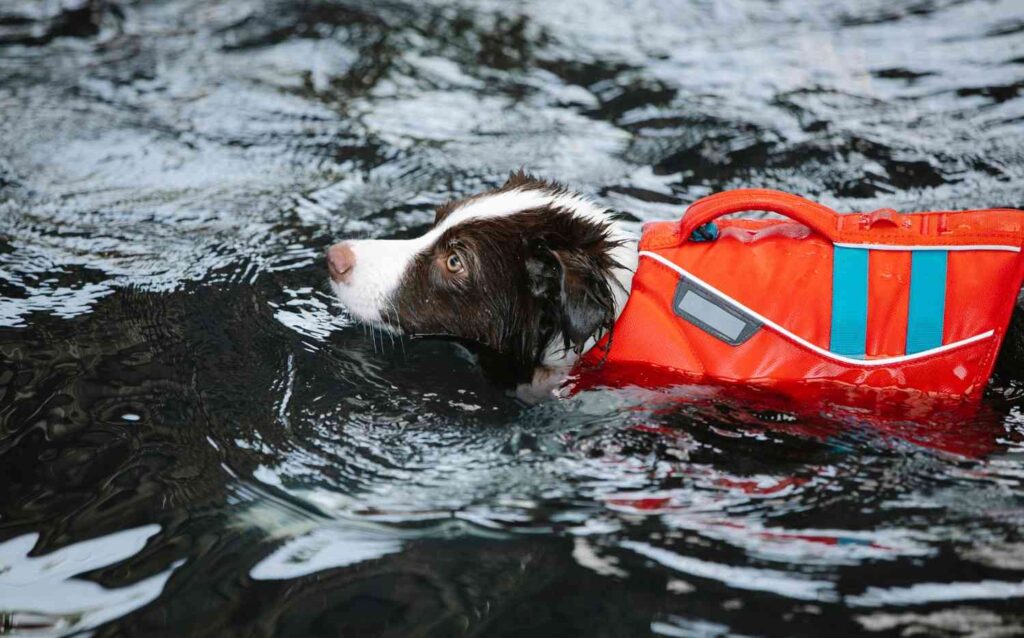
A properly fitted canine life jacket isn’t there because your dog can’t swim.
It’s there because unexpected things happen.
Look for one with:
- A sturdy grab handle on top.
- Bright colors that are easy to spot.
- Reflective strips for low light.
- Adjustable straps for a snug fit.
- Enough flotation to keep your dog’s head comfortably above water.
That grab handle alone has helped me lift dozens of dogs safely back into kayaks.The same principle applies when choosing the best kayak life jacket for women—a well-designed PFD with the right fit and features makes it much easier to stay safe and assist others when needed.
Choose the Right Water for the First Adventure
Not every beautiful lake makes a good training location.
The first trip should make success easy.
Look for:
- Calm water with little or no boat traffic.
- A gradual shoreline.
- Easy places to land if your dog becomes nervous.
- Warm weather.
- Minimal wind.
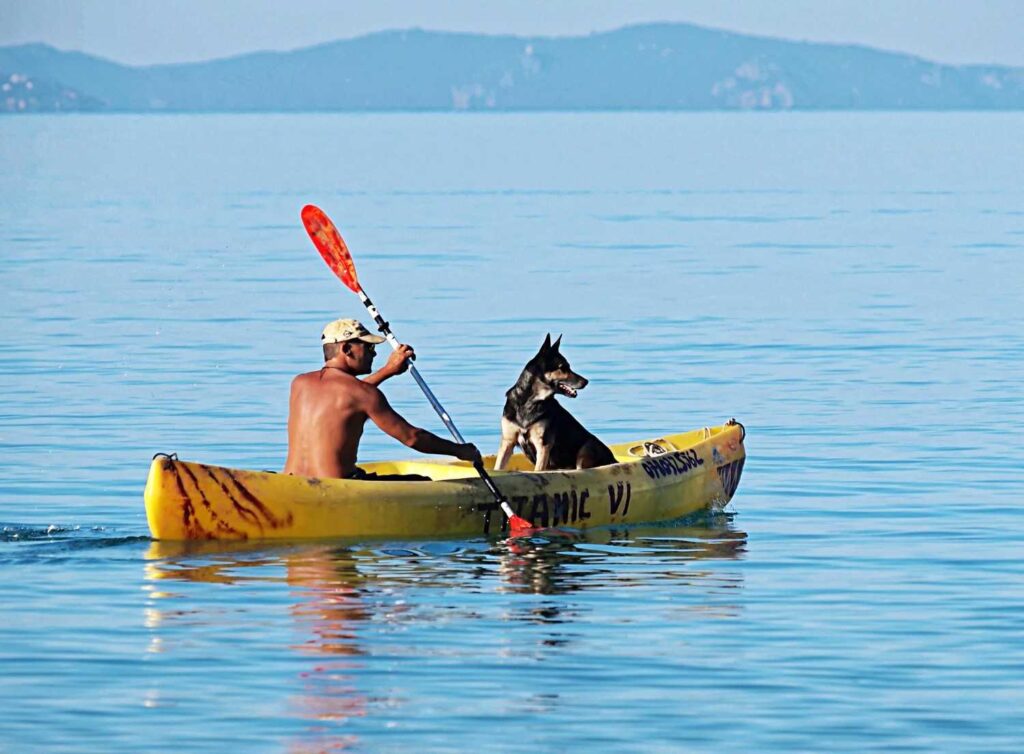
Avoid rivers with current, crowded beaches, and busy boat launches during your first few outings.Once you’re comfortable, learning how to launch a kayak from a rocky shore will prepare you for more challenging launch sites without adding unnecessary risk too early.
Every unnecessary challenge reduces your dog’s confidence.
Learn to Read Your Dog Instead of the Water
Some dogs tell you exactly how they’re feeling.
Others don’t.
Watch for small signs.
A relaxed dog usually sits, lies down, or quietly watches the shoreline.
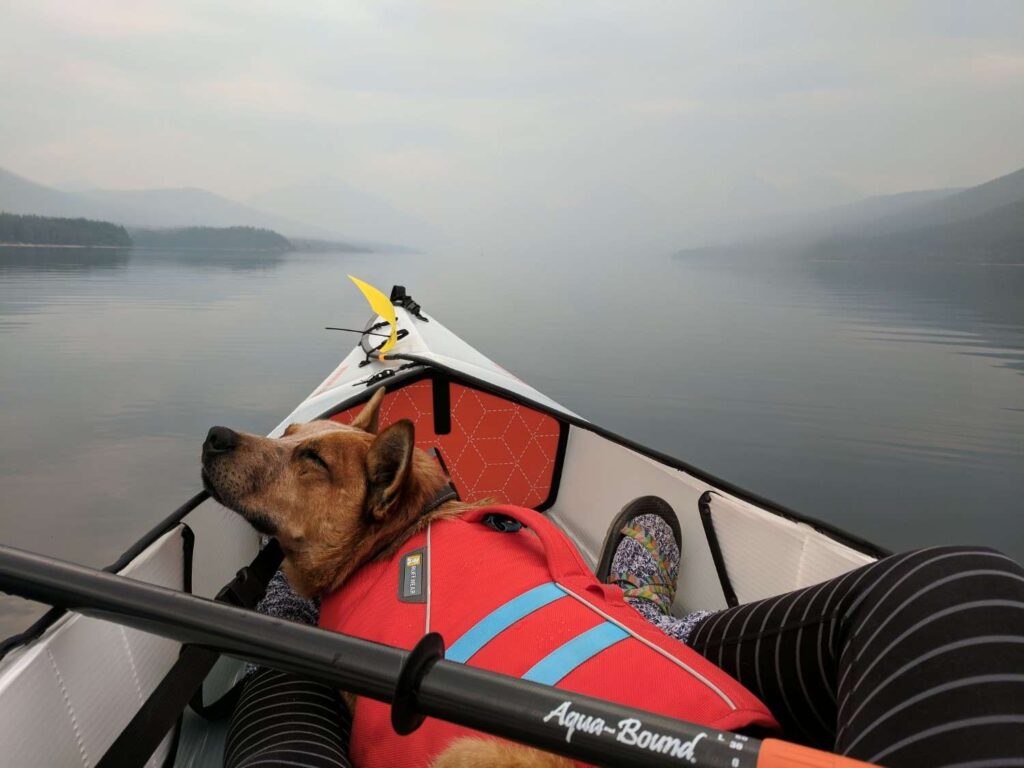
A stressed dog often pants excessively, shakes, whines, refuses treats, or constantly tries changing position.
Those signals matter.
Don’t assume your dog will “get used to it.”
Sometimes the smartest decision is ending the trip early while the experience is still positive.
Common Mistakes I See Beginners Make
Every paddling season I watch new dog owners repeat the same handful of mistakes. None of them happen because people don’t care. They happen because nobody warned them beforehand.
Avoid these and your first trip will be much smoother.
| Mistake | What Usually Happens | Better Approach |
| Taking a nervous dog onto a large lake | The dog panics and refuses to settle | Start on calm, shallow water |
| Forgetting a dog life jacket | Swimming ability is overestimated | Always use a properly fitted canine PFD |
| Launching from a crowded boat ramp | Too many noises and distractions | Choose a quiet shoreline |
| Packing too little water | Dogs overheat quickly | Carry more fresh water than you think you’ll need |
| Expecting a long first trip | Dog becomes restless | Keep the first outing under an hour |
One lesson took me years to appreciate.
Your dog’s confidence matters more than your paddling skills.
A relaxed dog makes every trip easier. An anxious dog can make even calm water feel challenging.
Weather Changes Everything
I’ve cancelled plenty of trips after loading the truck.
Some people think that’s overly cautious.
It isn’t.
Dogs don’t regulate body temperature the same way we do. Heat, cold, wind, and waves affect them differently than they affect us.
Before leaving home, check:
- Wind speed
- Water temperature
- Air temperature
- Chance of thunderstorms
- Expected boat traffic
A sunny day can become dangerous surprisingly fast once afternoon winds pick up.
If the forecast makes you hesitate, wait for another day.
The lake isn’t going anywhere.
What To Pack For Your Dog
After enough trips, your packing list becomes automatic.
Here’s what always comes with me.
| Item | Why It Matters |
| Dog life jacket | Safety and easy rescue handle |
| Fresh drinking water | Prevents dehydration |
| Collapsible water bowl | Easy to carry |
| Favorite treats | Rewards calm behavior |
| Short leash | Useful during launches and landings |
| Small towel | Dries muddy paws before loading the vehicle |
| Waste bags | Leave every shoreline cleaner than you found it |
| Basic pet first-aid kit | Helpful for minor cuts or scraped paw pads |
Notice what’s missing?
Toys.
Most dogs are too interested in watching birds, fish, and shoreline smells to play fetch from a kayak.
A Day I’ll Never Forget
One autumn morning I took a rescue dog named Cooper onto a small reservoir.
He’d never seen a kayak before.
For twenty minutes he stood up every few minutes, unsure about the strange floating platform beneath him.
I didn’t scold him.
I didn’t force him to lie down.
I simply kept paddling slowly and spoke to him whenever he looked uncertain.
Half an hour later something changed.
He stretched out on the deck, rested his chin between his paws, and watched ducks glide across the water.Keeping your essentials packed in the best kayak dry bag lets you relax and enjoy moments like that without worrying about your phone, keys, or other gear getting wet.
That same dog eventually completed full-day fishing trips without a single issue.
The biggest lesson?
Confidence can’t be rushed.
Give a dog enough calm, positive experiences and they’ll often surprise you.
When It’s Better To Leave Your Dog Home
As much as I enjoy paddling with dogs, there are days when staying home is the smartest choice.
Skip bringing your dog if:
- Strong winds are expected.
- Water is extremely cold.
- Heavy boat traffic is likely.
- You’re practicing advanced paddling skills.
- You’re running rapids.
- Your dog is recovering from illness or injury.
- It’s your first time on unfamiliar water.
There’s no shame in making that decision.
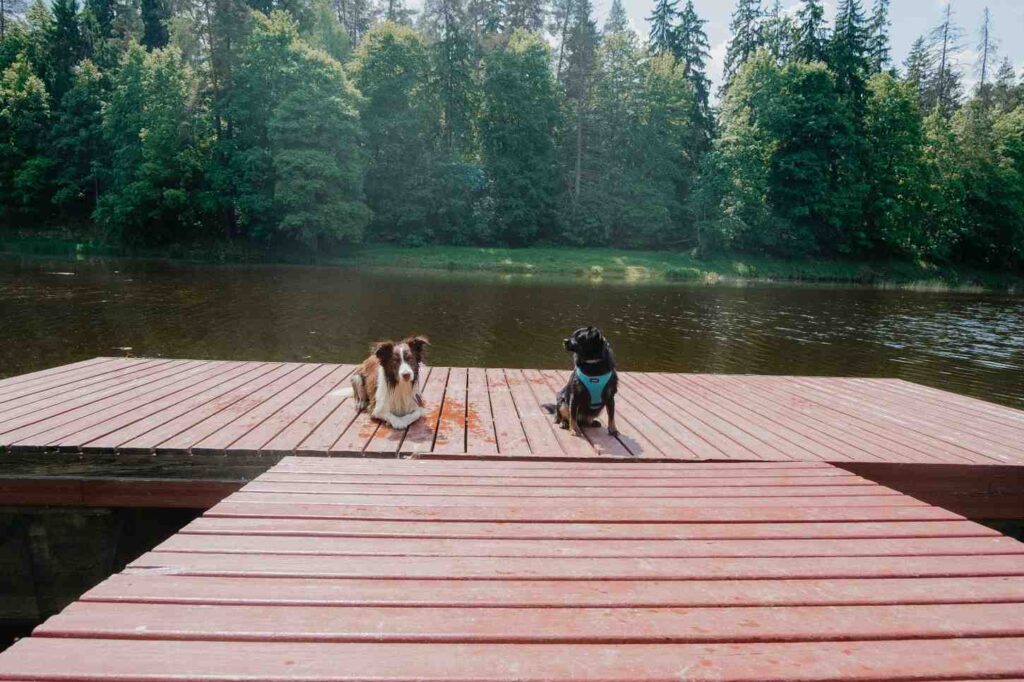
Good judgment is part of being an experienced paddler.
Frequently Asked Questions
1. Can every dog learn to kayak?
Most healthy dogs can learn with gradual training. Some breeds adapt faster than others, but patience matters far more than breed.
2. Should my dog always wear a life jacket?
Yes. Even strong swimmers can become exhausted, injured, or disoriented in moving or cold water.
3. What’s the best kayak for paddling with a dog?
Stable sit-on-top kayaks are usually the easiest choice for beginners because they offer more open space and are easier to re-enter if someone ends up in the water.
4. How long should a dog’s first kayaking trip be?
Around 20 to 30 minutes is usually enough for the first outing. End while your dog is still relaxed and enjoying the experience.
5. Can puppies go kayaking?
Only after they’ve completed their vaccinations and are physically ready for outdoor adventures. Keep trips very short and focus on positive experiences rather than distance.
6. What if my dog jumps into the water?
Stay calm. Paddle to the dog, use the handle on its life jacket to assist it back aboard, and avoid sudden movements that could destabilize the kayak.
7. Can I take two dogs in one kayak?
Yes, provided the kayak has enough capacity and both dogs are already comfortable on the water. Train each dog individually before taking them together.
8. Is kayaking stressful for dogs?
It can be during the first few outings. Slow introductions, calm water, and plenty of positive reinforcement usually build confidence quickly.
9. What snacks should I bring?
Bring familiar treats that your dog already enjoys. Avoid trying new foods during a paddling trip.
10. Can I fish while kayaking with my dog?
Absolutely—but wait until your dog is comfortable riding in the kayak before adding rods, tackle, and the extra movement that comes with fishing.
Final Thoughts
Some people believe kayaking with a dog is complicated.
It really isn’t.
Most successful trips come down to patience, preparation, and realistic expectations.
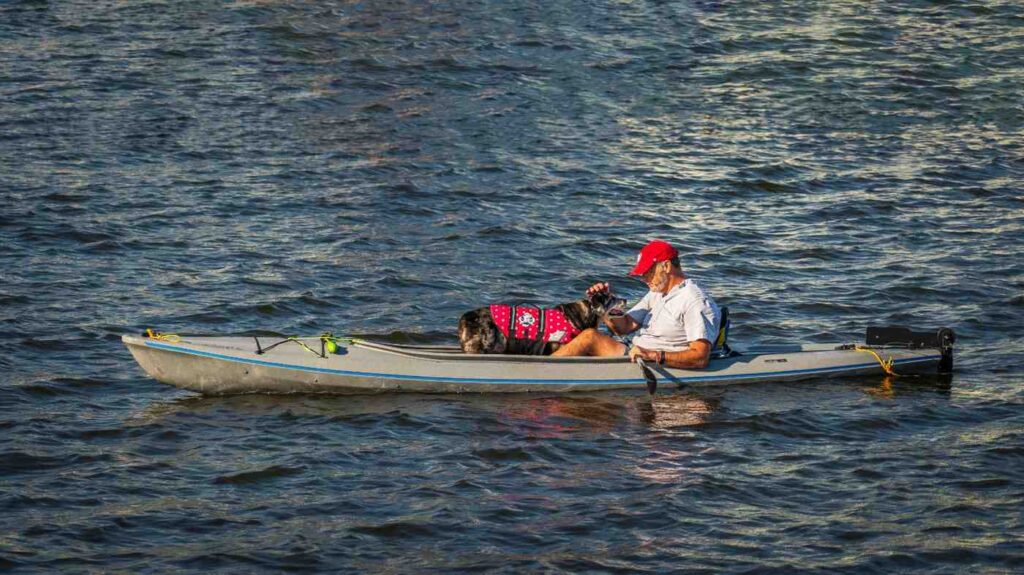
Choose calm water. If you plan to paddle on the coast later, learning how to kayak safely in the ocean will help you understand changing conditions before moving beyond sheltered water. Use a properly fitted life jacket. Keep early adventures short. Reward calm behavior. Pay attention to changing weather. Let your dog build confidence at its own pace.
Do that consistently and you’ll create a paddling partner that genuinely enjoys being on the water.
After thousands of hours in kayaks, I’ve learned that the best memories rarely come from catching the biggest fish or covering the most miles. They come from quiet mornings when your dog is lying calmly beside you, ears perked toward the shoreline, completely at ease.
That’s when you know you’ve done everything right.