Quick Answer
Here’s the answer I give almost everyone.
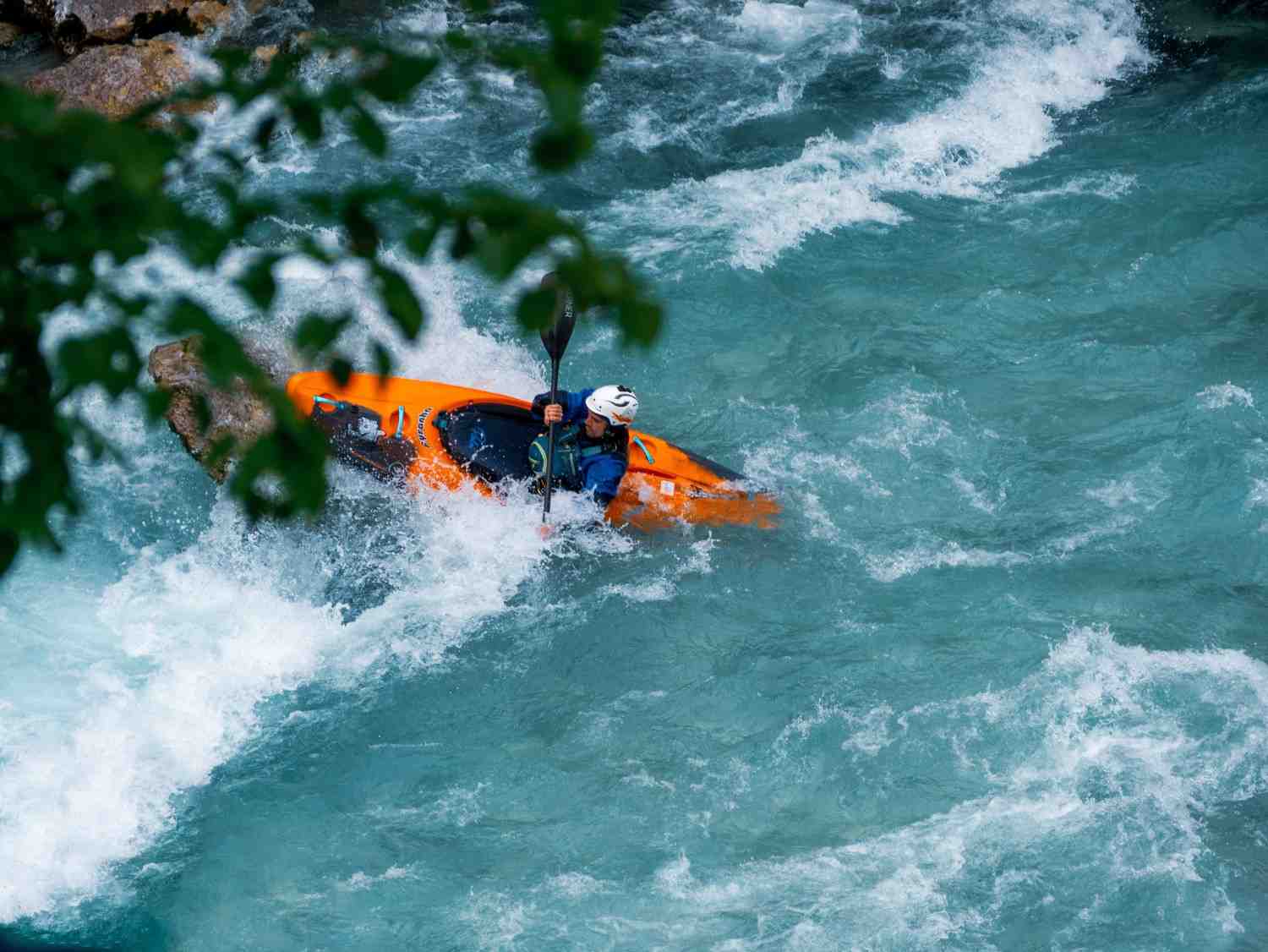
Wear a kayak helmet anytime there’s a realistic chance your head could hit something.
That “something” might be a rock in a fast-moving river, a concrete bridge pillar, a submerged log, or even your own kayak during an unexpected capsize.
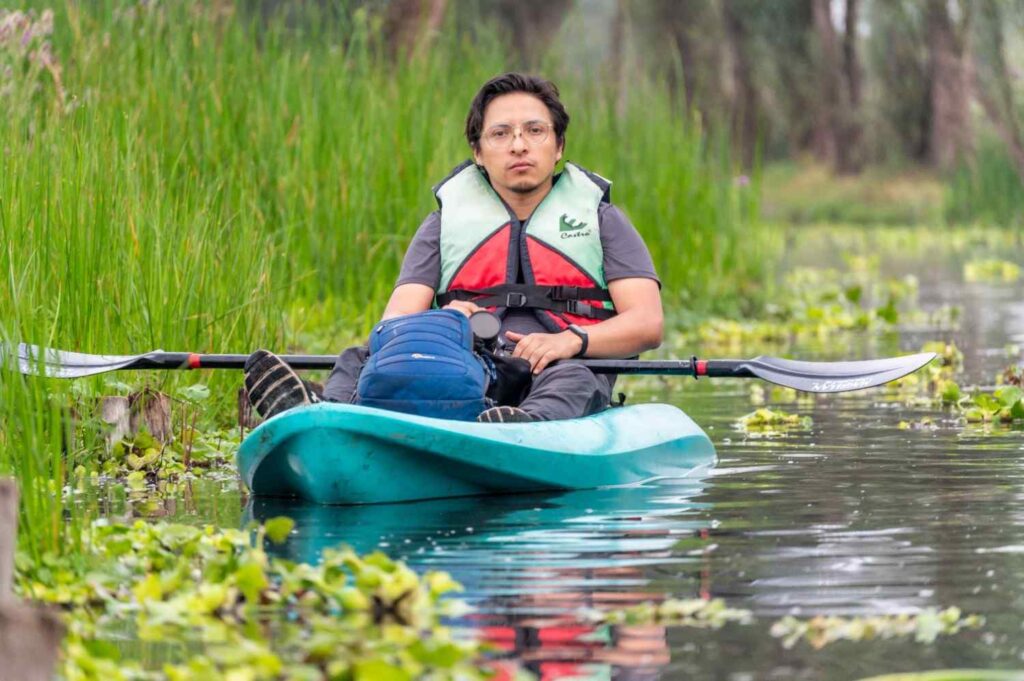
If you’re paddling a quiet lake on a calm summer morning with no current, no rapids, and little boat traffic, most recreational kayakers don’t wear a helmet. A properly fitted personal flotation device (PFD) remains the essential piece of safety gear.
The mistake isn’t wearing or skipping a helmet.
The mistake is treating every paddling environment as if it’s the same.
I’ve Seen Both Ends of This Debate
One paddler refused to wear a helmet because he thought they were only for “extreme” whitewater.
Another wore one while leisurely paddling a calm neighborhood pond where the biggest obstacle was a family of ducks.
Neither person had really thought about why they were making that choice.
That’s the pattern I’ve noticed over the years.
Many people decide first and justify it later.
Experienced paddlers usually do the opposite.
They look at the water, the weather, the current, and the obstacles before they even unload the kayak.
The conditions—not habit—should decide whether a helmet belongs on your head.
Team A vs. Team B
This isn’t really a debate between cautious paddlers and fearless paddlers.
It’s about where they paddle.
Team A: Helmet Every Time
These paddlers spend time where things can go wrong quickly.
Their trips often include:
- Whitewater rivers
- Rocky creeks
- Fast current
- Rapids
- Low bridges
- Technical river sections
- Places with submerged rocks or fallen trees
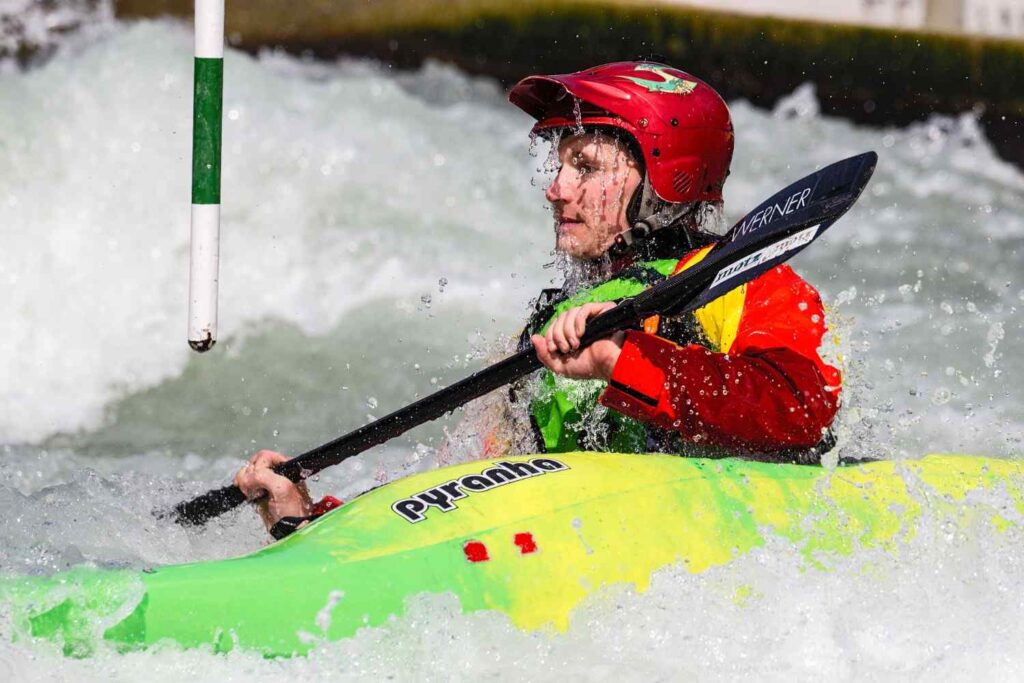
For them, wearing a helmet isn’t unusual.
It’s as automatic as buckling a seatbelt.
Team B: Helmet Only When Conditions Demand It
These paddlers usually enjoy:
- Calm lakes
- Small ponds
- Slow-moving rivers
- Protected bays
- Quiet recreational paddling
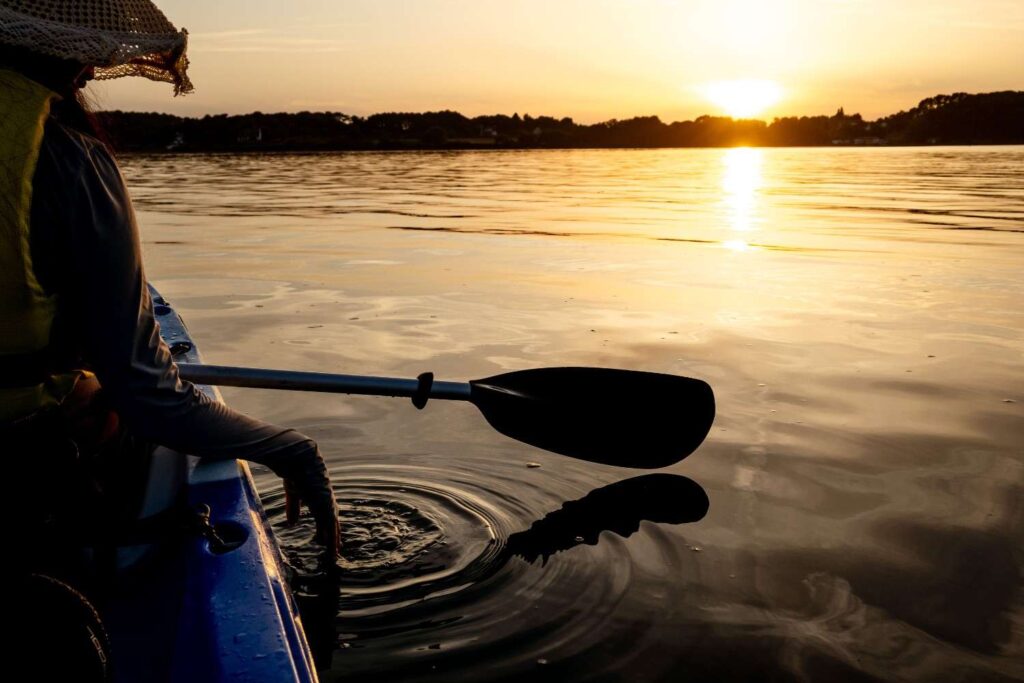
Most of the day, the biggest concern is staying hydrated or remembering sunscreen.
A helmet often stays at home because there’s very little chance of striking their head.
Neither group is wrong.
They’re simply paddling in completely different environments.
The Biggest Misunderstanding About Kayak Helmets
People often think helmets are designed to protect you from the water.
They aren’t.
They protect you from what the water throws you into.
Water itself is rarely the problem.
It’s everything hidden beneath it—or beside it.
Imagine slipping while walking across your driveway.
Falling onto grass is one thing.
Falling onto concrete is another.
Kayaking works the same way.
A capsize in deep, open water usually ends with a wet paddler.Knowing how to kayak safely in the ocean helps you prepare for those situations, making it easier to respond calmly and get back to safety when conditions become challenging.
A capsize beside a boulder or in a fast-moving rapid can become much more serious.
That’s why experienced river paddlers almost never question whether to wear a helmet.
Helmet vs. No Helmet
| Situation | Wear a Helmet? | Why |
| Whitewater kayaking | Yes | Rocks and strong currents increase head injury risk. |
| Rocky rivers | Yes | Hidden obstacles are common. |
| Fast-moving rivers | Yes | Less time to react if something goes wrong. |
| Calm lakes | Usually not necessary | Few hard obstacles and gentle conditions. |
| Quiet ponds | Usually not necessary | Low impact environment. |
| Coastal paddling with surf | Recommended | Waves can push paddlers into rocks or the kayak. |
| Kayak surfing | Yes | Higher chance of collisions and wipeouts. |
Don’t think of the helmet as a symbol of experience.
Think of it as matching the level of risk.
Here’s the Check I Do Before Every Trip
Whenever someone asks me whether they need a helmet, I tell them to stop looking at the kayak for a moment.
Look at the water instead.
Ask yourself these questions:
- Could my head hit a rock if I flip over?
- Is there strong current?
- Are there bridge supports, fallen trees, or submerged obstacles?
- Will waves push me toward hard objects?
- Am I paddling somewhere unfamiliar?
If the answer to that first question is “yes” or even “maybe,” the helmet usually goes on.
Simple.
The Story I Still Think About
Years ago, I was watching a group of paddlers preparing for a river run.
One younger paddler joked about helmets, saying they made everyone look overly cautious.
A more experienced kayaker didn’t argue.
He simply pointed downstream toward a section where the river narrowed between several large boulders.
Then he said something I’ve never forgotten.
“The river doesn’t care whether you think you need a helmet.”
About an hour later, one kayak caught an unexpected current while entering that exact section.
The paddler flipped.
His helmet struck a rock hard enough that everyone nearby heard the impact.
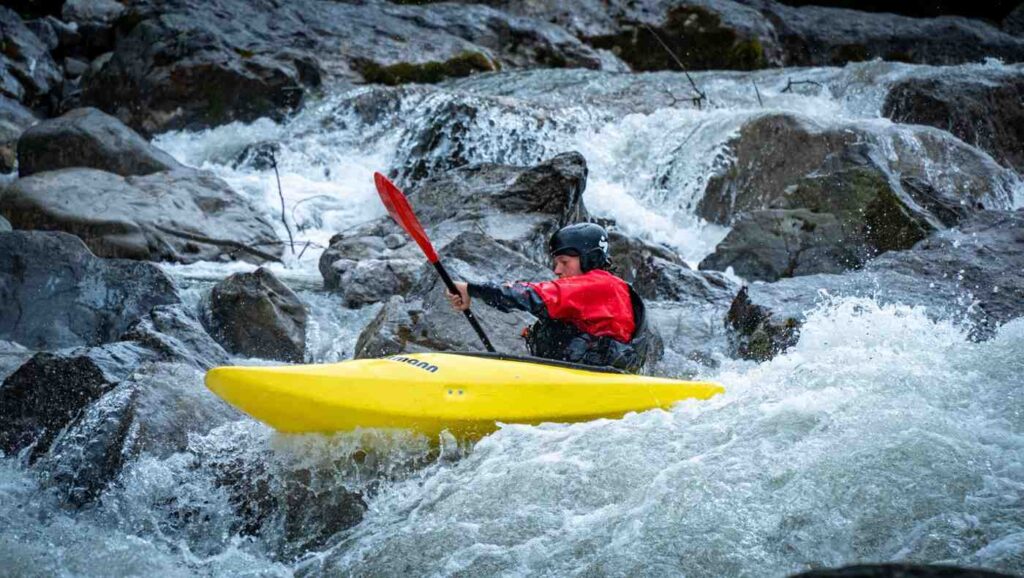
He climbed back into his kayak with little more than a bruised ego.
Without the helmet?
That day could have ended very differently.
Nobody laughed about helmets after that.
Don’t Confuse Comfort With Safety
One reason people avoid helmets is simple.
They’re warm.
Sometimes they feel bulky.
On hot summer days, paddling bareheaded is definitely more comfortable.
But comfort and safety aren’t always on the same side.
I’ve watched people spend hundreds of dollars choosing the perfect paddle, seat, or fish finder while hesitating over a piece of equipment that protects the one thing they can’t replace. That’s why taking the time to choose the best kayak life jacket for women or any well-fitting PFD is one of the smartest investments any paddler can make.
Your brain deserves at least as much attention as your gear.
When You Can Paddle Without a Helmet
Here’s where people sometimes expect a dramatic answer.
There isn’t one.
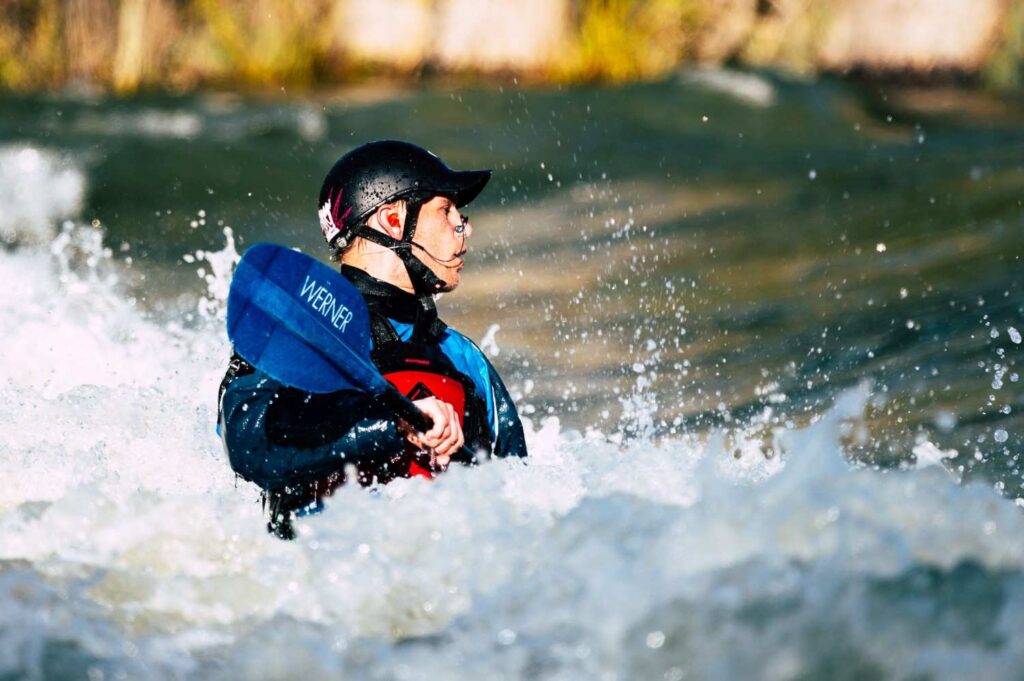
I’ve paddled plenty of calm lakes where I didn’t wear a helmet. Many experienced recreational kayakers do the same.
The key difference is the environment.
If all of these are true:
- The water is calm.
- There are no rapids or strong currents.
- You’re well away from rocks, bridge pillars, and fallen trees.
- Weather conditions are stable.
- You’re simply enjoying a relaxed paddle or fishing trip.
…then most paddlers consider a helmet unnecessary.
That doesn’t mean you’re ignoring safety.
It means you’re matching your equipment to the level of risk.
Your PFD should still stay on, because falling into the water is far more common than hitting your head.It’s also one of the first things to consider when asking is kayaking safe for non swimmers, since wearing a properly fitted life jacket greatly improves safety and confidence on the water.
The Water Changes Faster Than You Think
One lesson experience teaches is that rivers and lakes don’t stay the same.
A river that was gentle last month may be running much faster after several days of heavy rain.
A calm lake can develop steep waves when afternoon winds pick up.
Even water levels matter.
A rock that’s safely underwater during spring may become a hard obstacle by late summer.

That’s why I never make the helmet decision the night before.
I make it at the launch after looking at the actual conditions.
Today’s water matters more than yesterday’s forecast.That’s an important lesson when learning how to kayak in a river for beginners, where changing water levels, current, and conditions can have a much bigger impact than the weather alone.
Different Places, Different Answers
This is where one-size-fits-all advice falls apart.
| Paddling Environment | Helmet Recommendation | Why |
| Calm recreational lake | Usually optional | Few impact hazards. |
| Slow river | Depends on obstacles | Watch for logs, rocks, and bridge supports. |
| Whitewater river | Always wear one | High likelihood of impacts during a capsize. |
| Coastal surf zone | Strongly recommended | Waves can push you into rocks or your kayak. |
| Ocean touring in open water | Usually optional | Evaluate weather, surf landings, and nearby hazards. |
| Rock gardens or sea caves | Wear one | Hard surfaces are close, even in moderate waves. |
Notice a pattern?
The decision has very little to do with the kayak.
It has everything to do with what surrounds it.
Common Mistakes I See Every Season
Most accidents aren’t caused by one huge mistake.
They’re caused by several small ones adding up.
Some of the most common are:
- Assuming calm water will stay calm all day.
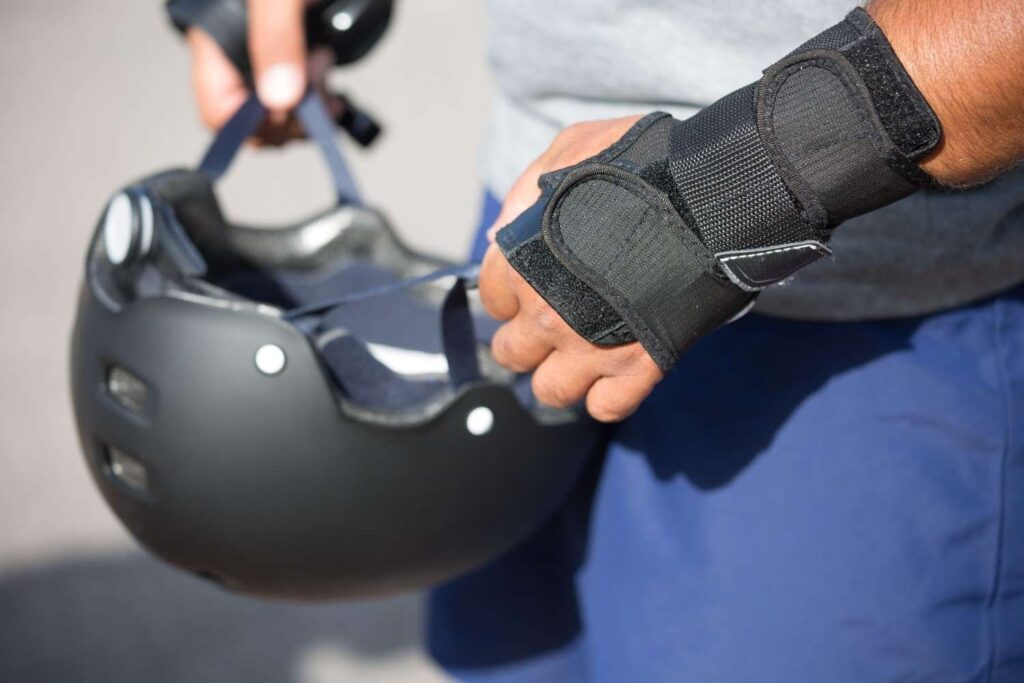
- Wearing a bicycle or skateboard helmet instead of one designed for paddling.
- Leaving the helmet clipped to the kayak instead of wearing it.
- Forgetting that beginners are more likely to capsize while learning.
- Following what everyone else is doing instead of judging the conditions yourself.
Conditions can change faster than many paddlers expect, so knowing what to wear kayaking in cold weather helps you stay prepared even if the air feels warm when you first launch.
One paddler without a helmet doesn’t automatically mean it’s safe.
Maybe they know that river better than anyone else.
Or maybe they’re taking a risk you don’t want to copy.
Choosing the Right Kayak Helmet
Not every helmet is built for the same job.
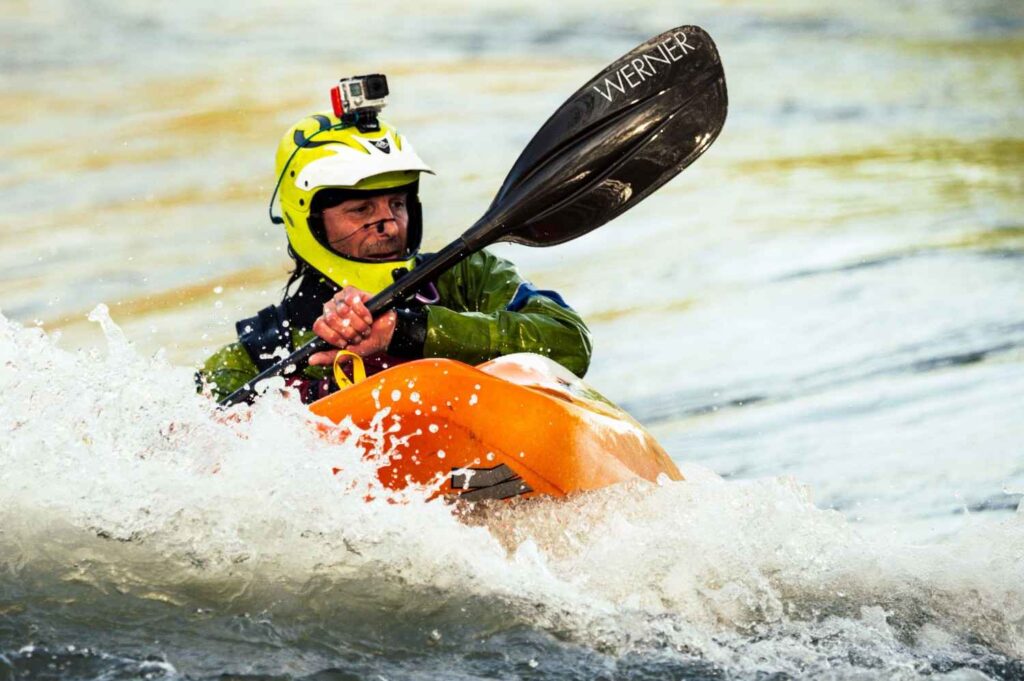
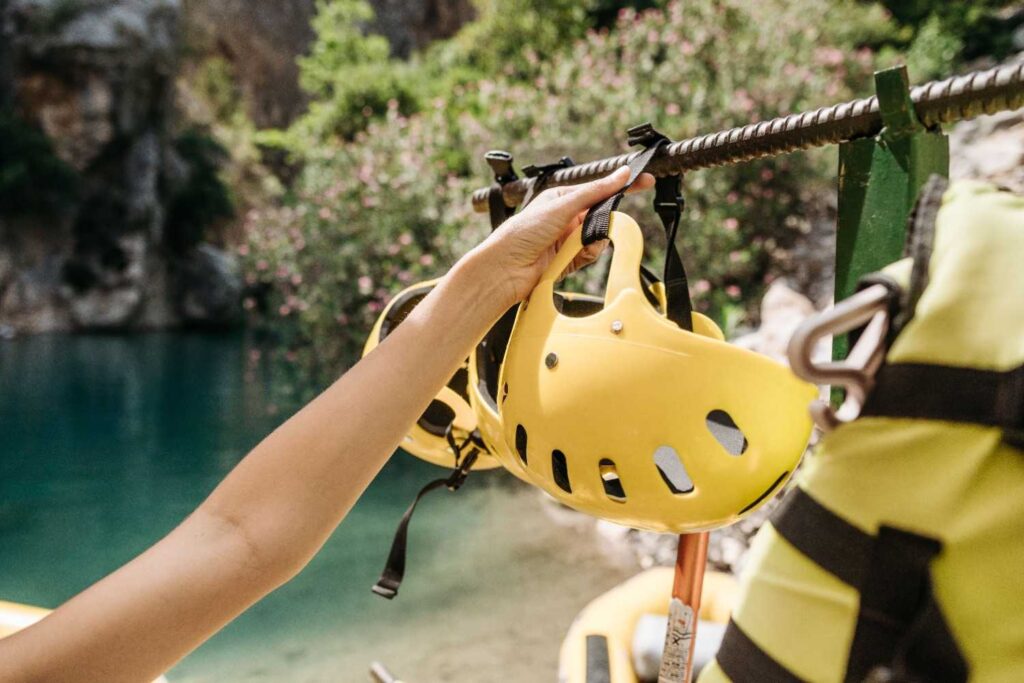
A proper kayaking helmet is designed to handle repeated impacts, drain water quickly, and stay securely in place if you flip over.
When shopping, look for:
- A snug fit without pressure points.
- Adjustable retention straps.
- Good ear coverage if you’re paddling whitewater.
- Plenty of drainage holes.
- Certification for paddlesports or whitewater use.
Don’t buy the cheapest option just because it’s on sale.
A helmet is one piece of gear where quality really matters.
The Best Safety Habit Has Nothing to Do With a Helmet
If I could teach every new paddler one habit, it wouldn’t be “always wear a helmet.”
It would be this:
Pause for two minutes before launching.
Look around.
Watch how fast the water is moving.
Notice where the rocks are.
Check the wind.
Think about where you’ll land if something goes wrong.
Those two minutes often prevent problems that no helmet can solve.
Frequently Asked Questions
1. Do I need a helmet for recreational kayaking?
Usually not on calm lakes and slow-moving water, but you should always assess the conditions before launching.
2. Should beginners wear a kayak helmet?
If they’re learning on whitewater or rocky rivers, absolutely. On calm lakes, a properly fitted PFD is generally the more essential safety item.
3. Is a bicycle helmet okay for kayaking?
No. Bicycle helmets aren’t designed for repeated water impacts or the conditions encountered in paddlesports.
4. Do professional kayakers wear helmets?
Whitewater and surf kayakers almost always do. Recreational touring paddlers often choose based on the environment.
5. Can a helmet prevent a concussion?
No helmet can guarantee that. Its purpose is to reduce the severity of impacts and lower the risk of serious head injuries.
6. Is a helmet required by law?
That depends on your country, state, or local regulations. Even where it isn’t legally required, it may still be the safest choice for certain conditions.
7. Should I wear a helmet while kayak fishing?
If you’re fishing on calm lakes or sheltered waters, most anglers don’t. If you’re fishing rivers with rocks, rapids, or fast current, wearing one is a smart precaution.
8. What features should a good kayak helmet have?
Look for a secure fit, adjustable straps, proper drainage, durable construction, and certification for paddlesports or whitewater use.
9. Can I rent a kayak helmet?
Many whitewater outfitters and guided tours include helmet rentals, especially for river trips where they’re considered essential.
10. What’s more important—a helmet or a PFD?
If I had to choose only one, the PFD wins every time because it’s essential in virtually every kayaking situation. A helmet becomes equally important whenever the environment creates a realistic risk of head impact.
Final Thoughts
People sometimes argue about helmets as though there’s only one correct answer.
There isn’t.
The right answer changes with the water beneath your kayak.
If you’re running whitewater, weaving through rocky rivers, surfing waves, or paddling anywhere your head could strike a hard object, wear the helmet without hesitation.
If you’re quietly fishing on a calm lake or enjoying a peaceful evening paddle with minimal hazards, many experienced kayakers choose not to wear one—and that’s a reasonable decision when the conditions support it.
The goal isn’t to wear more gear.
The goal is to make smart decisions based on real conditions instead of habit.
Do that consistently, and you’ll spend more time enjoying the water and less time dealing with preventable accidents.