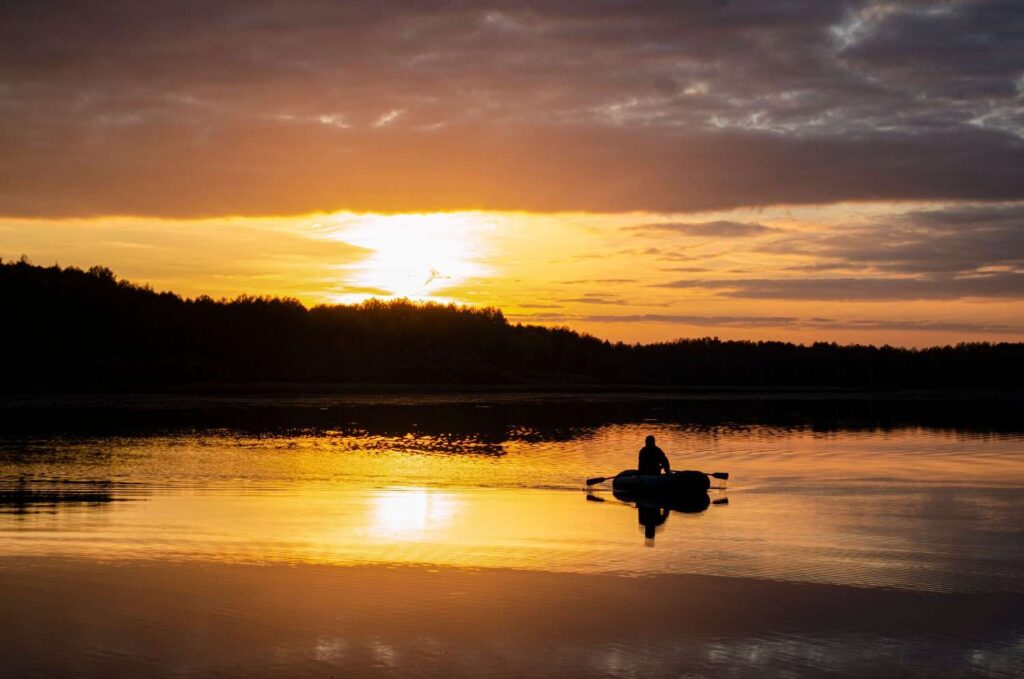
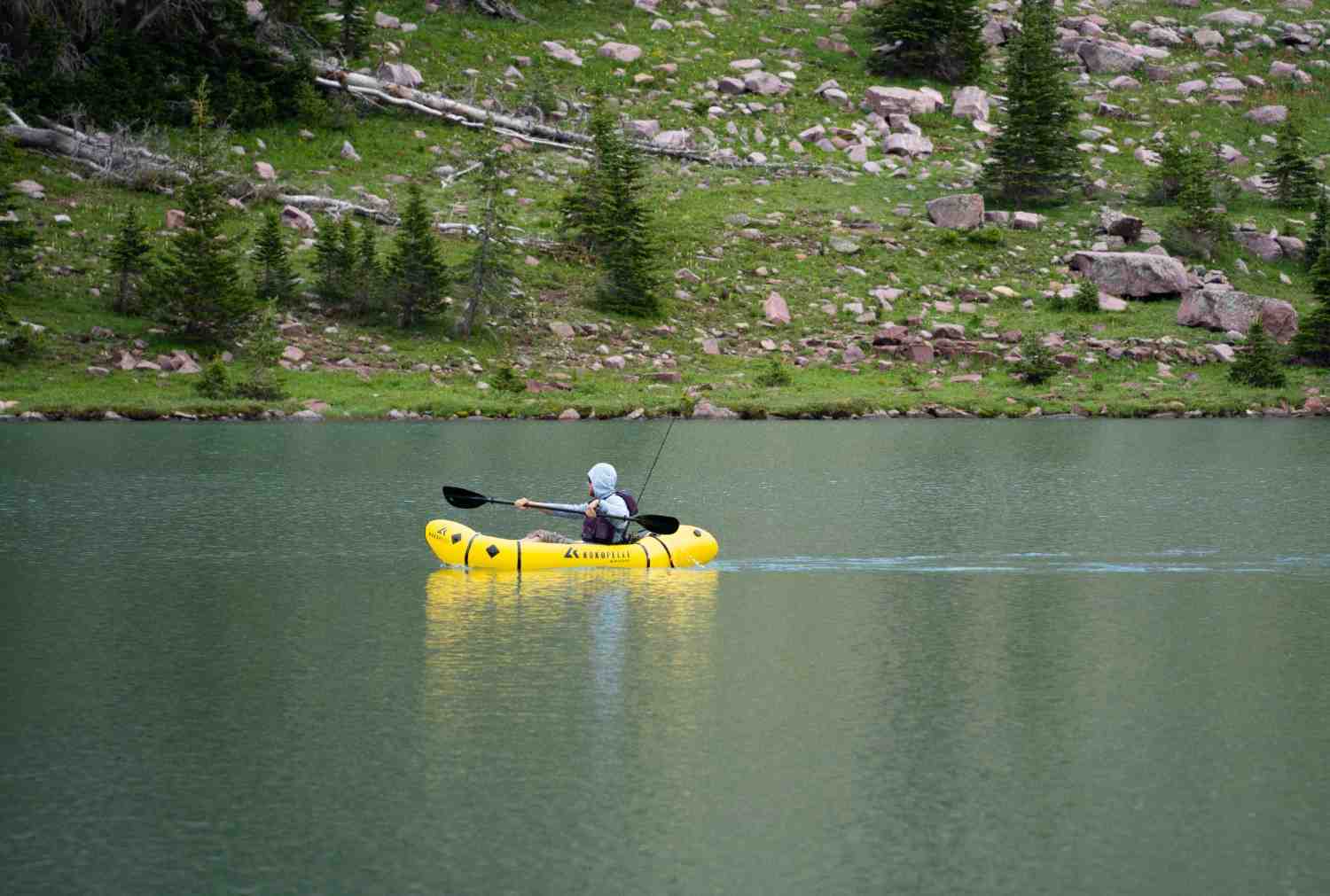
Yeah, the first few trips can be rough.
You’ve got rods sticking everywhere. Your paddle keeps drifting away. The tackle box slides under your seat. Then you finally cast at a promising spot and wonder, Am I even fishing the right area?
I’ve watched beginners buy a $2,000 fishing kayak and struggle all morning while an old guy in a scratched-up kayak catches bass after bass with one rod and a handful of lures.
That’s the first lesson.
Fishing skill matters more than kayak accessories.
The kayak is just your vehicle.
Learn how fish behave. Learn boat control. Keep your setup simple. Everything else comes later.
Quick Answers for Beginners Who Want the Short Version
| Question | Short Answer |
| Best kayak type? | Stable sit-on-top kayak |
| Best fish species to target first? | Bass, crappie, bluegill |
| How many rods? | One or two maximum |
| Anchor or drift? | Drift first, anchor later |
| Electronics needed? | No |
| Biggest beginner mistake? | Bringing too much gear |
| First place to fish? | Shorelines, weed edges, fallen trees |
| Stand up to fish? | Only after you’re comfortable sitting |
That’s the cheat sheet.
Now let’s talk about what actually works.
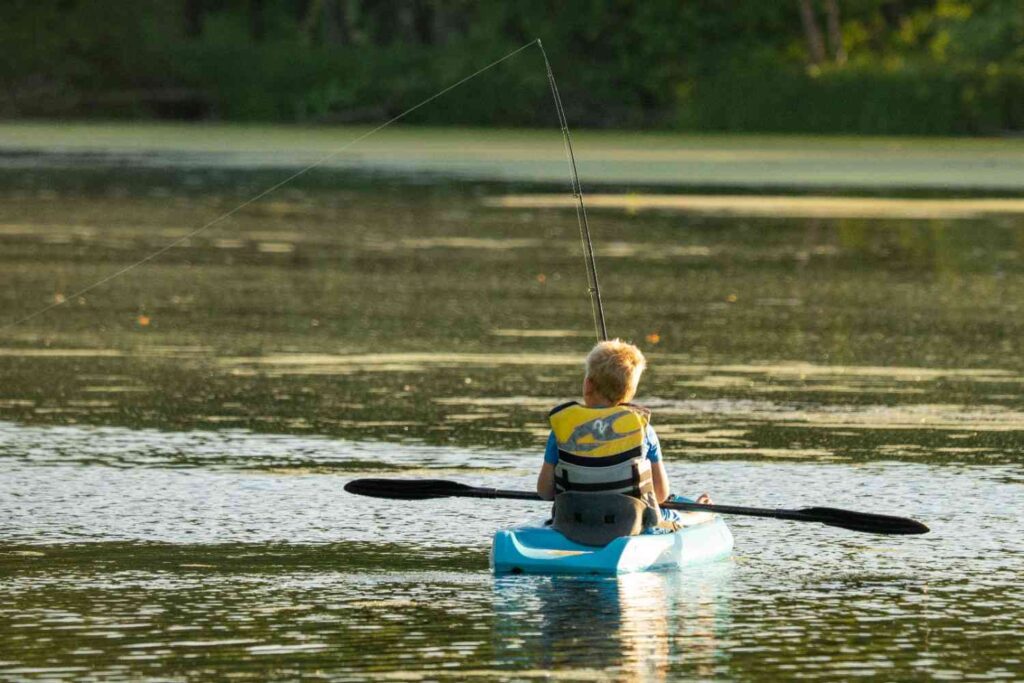
The Biggest Mistake I See? People Bring Their Entire Garage
Seriously.
Beginners pack:
- Six rods
- Three tackle boxes
- Fish finder
- Landing net
- Cooler
- Extra clothes
- Camera gear
- Huge crate system
- Four different lure boxes
Then they launch.
The kayak feels unstable.
They spend more time searching for gear than fishing.
And after two hours, they’re exhausted.
Bring less than you think you’ll need.
My standard beginner setup?
- One medium spinning rod
- Small tackle tray
- Paddle leash
- Landing net
- Water bottle
- Pliers
- Life jacket
That’s it.
Simple setup.
More fishing.
Less chaos.
The right kayak accessories help keep your gear organized, reduce unnecessary clutter, and let you spend more time fishing instead of searching for equipment.
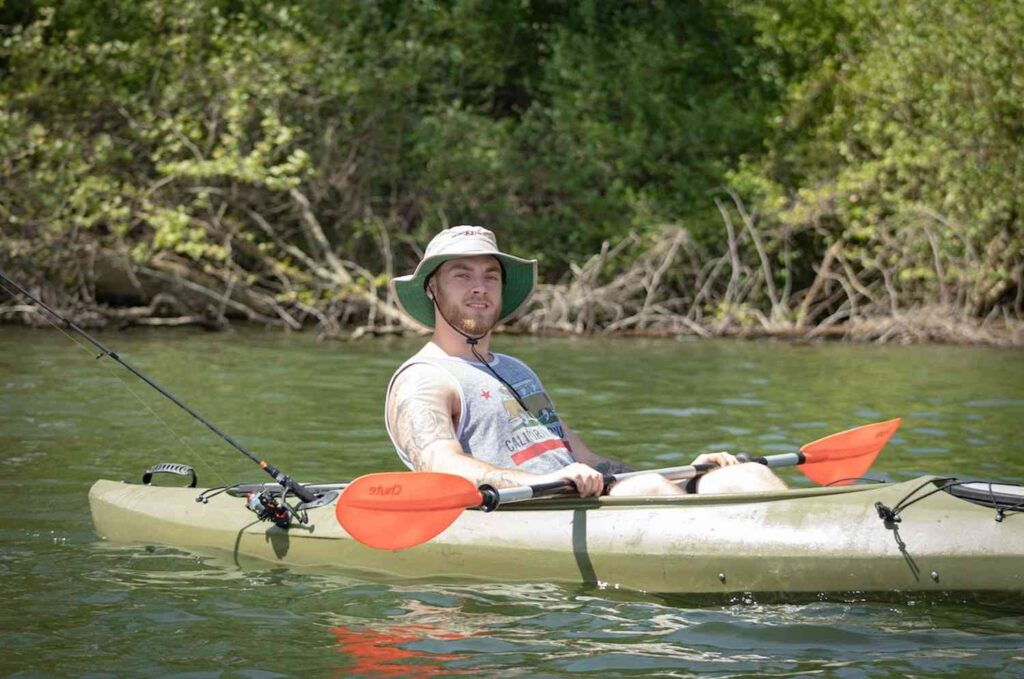
The Weirdest Mistake I Ever Saw
A guy showed up at a small lake with seven rods.
Seven.
Every rod had a different lure tied on because he didn’t want to “waste time changing lures.”
He launched.
Ten minutes later he hooked a decent bass.
Fish runs left.
Rod holders catch his fishing line.
He turns awkwardly.
Another rod falls overboard.
Now he’s fighting a fish with one hand and grabbing floating gear with the other.
Fish escapes.
Rod sinks.
And somehow the paddle drifts away too.
The poor guy paddled back using his hands.
Nobody laughed.
Well… not until he was safely back at the dock.
More gear creates more problems.
I’ve never met a beginner who said:
“I wish I’d brought more stuff.”
I’ve met hundreds who wished they’d brought less.
Team A vs Team B: Guess Who Catches More Fish?
Let’s compare two beginners.
Team A
- Buys expensive kayak
- Carries five rods
- Installs electronics immediately
- Changes lures every five minutes
- Paddles randomly around the lake
- Focuses on equipment
Team B
- Uses basic stable kayak
- Carries one rod
- Learns fish behavior
- Stays in productive water
- Makes accurate casts
- Focuses on fundamentals
Guess who wins?
Team B almost every time.
Fish don’t care how expensive your kayak is.
They care whether your lure lands where they live.
Start With Fish That Actually Want To Cooperate
This is another mistake.
New anglers often chase giant fish immediately.
Big bass.
Huge pike.
Monster catfish.
Sounds fun.
Usually ends in frustration.
Target easy fish first.
Go after:
Bluegill
Aggressive.
Found almost everywhere.
Great for learning casting accuracy.
Crappie
Love brush piles and submerged trees.
Teach you how fish relate to structure.
Bass
Perfect beginner predator.
They live near:
- Fallen trees
- Weed lines
- Docks
- Rock piles
- Shoreline cover
Find cover.
Cast beside it.
Repeat.
Simple game.
The First Places You Should Fish
Beginners paddle into open water because it looks fishy.
Most of the time?
It’s empty.
Fish want:
- Shade
- Protection
- Ambush points
- Oxygen-rich water
- Food
That means looking for:
Fallen Trees
Bass love them.
Crappie love them.
The branches create hiding spots.
Cast beside the tree.
Then cast deeper.
Then shallower.
Work the entire area.
Weed Edges
Think of weeds as underwater neighborhoods.
Small fish hide there.
Big fish patrol the edges.
Fish the transition line.
That’s where predators wait.
Docks
Shade.
Structure.
Food.
Fish magnets.
Skip your lure underneath if you can.
If not, cast along the edges.
Boat Control Matters More Than Casting
This surprises people.
Everyone practices casting.
Almost nobody practices controlling the kayak.
Yet poor positioning ruins fishing faster than bad casts.
Your kayak should move quietly and deliberately.
Wind pushes harder than beginners expect.
Even a gentle breeze can spin your kayak sideways.
A few tricks help:
- Face into the wind when possible
- Use short paddle corrections
- Stop paddling early and drift quietly
- Avoid sudden movements
- Learn how your kayak reacts before fishing seriously
Building confidence in different water conditions is just as important, especially if you’re learning how to kayak in a river for beginners, where understanding how your kayak handles current and obstacles can make every trip safer and more enjoyable.
Good boat control means:
Less spooking fish.
Better casts.
More time fishing.
Standing Up Isn’t Required
You see videos.
Everybody’s standing.
Casting.
Walking around their kayak like it’s a bass boat.
Don’t rush it.
You can catch thousands of fish while sitting down.
Actually, many experienced anglers sit most of the day.
Standing helps:
- Sight fishing
- Stretching
- Seeing weed lines
- Making longer casts
But it’s optional.
First learn:
- Entering the kayak smoothly
- Reaching gear safely
- Fighting fish while seated
- Recovering balance
Standing comes later.
Safety Isn’t Boring. It’s Fishing Insurance.
I know.
Nobody clicks kayak videos for safety talks.
But freshwater can surprise you.
I’ve seen people flip in:
- Calm lakes
- Small ponds
- Narrow rivers
- Perfect weather
Usually for silly reasons.
One guy leaned too far trying to lip a bass.
Splash.
Phone gone.
Wallet gone.
Car keys gone.
Fish escaped too.
That story spreads around our local lake every spring.
Wear the life jacket. Every trip.
Not stored behind the seat.
Not strapped to the kayak.
On your body.
Always.
Also carry:
- Whistle
- Water bottle
- Phone in waterproof pouch
- Sunscreen
- Small first aid kit
A waterproof pouch protects your phone, but it’s also smart to carry the best kayak dry bag for keeping extra clothing, keys, snacks, and other essentials safe and dry throughout your trip.
Boring?
Maybe.
Useful?
Absolutely.
Learn To Read The Water Before Buying More Gear
This is the skill that changes everything.
Fish aren’t randomly swimming around.
They’re reacting to:
- Water temperature
- Shade
- Current
- Oxygen
- Food sources
- Structure
Start asking:
Where would a small fish hide?
Where would a predator wait?
Where does wind push food?
Why are birds diving over there?
The best anglers are students of water.
They observe.
They notice patterns.
And once you start seeing those patterns?
Fishing becomes a completely different sport.
The First Fish From A Kayak Feels Different
I still remember one beginner I took fishing years ago.
Nervous guy.
Brought way too much gear.
Asked a hundred questions.
About an hour into the trip he hooked a bass near a fallen oak tree.
Nothing huge.
Maybe two pounds.
But the kayak started moving.
The fish pulled him sideways.
Water splashed.
His eyes got wide.
For a few seconds, he forgot every technique I’d explained.
He was just laughing.
That’s kayak fishing.
You’re not standing on a stable deck.
You’re connected to the fish.
Every head shake moves the boat.
Every run feels bigger.
Even average fish become memorable.
And that’s why so many of us get obsessed with it.
A Few Things I Wish Every Beginner Knew
Before you head out, remember these:
- Fish close to shore first
- Bring less gear
- Learn boat control early
- Wear the life jacket every time
- Stay seated until balance feels natural
- Fish structure instead of open water
- Spend more time observing than changing lures
- Accept that you’ll make mistakes
Everybody does.
I’ve dropped pliers overboard.
Lost fish at the kayak.
Forgot sunscreen.
Even launched once without my paddle sitting beside the truck.
Twenty-five years later, I still laugh about that one.
Questions Beginners Always Ask
Do I need a fish finder?
No.
Helpful? Sure.
Necessary?
Not even close.
Learn where fish live first.Once you understand fish behavior, adding the best kayak fish finding setup becomes much more effective because you’ll know how to use the technology to confirm what the water is already telling you.
Electronics make more sense once you already understand the water.
How many rods should I carry?
One or two.
That’s plenty.
Every extra rod adds clutter and something else to snag.
Is kayak fishing harder than bank fishing?
At first, yes.
After a few trips?
No.
Actually, many anglers catch more fish because kayaks reach places boats can’t and shore anglers never touch.
What if I flip?
Stay calm.
Hold onto the kayak.
Most modern fishing kayaks float even when overturned.
Practice re-entering in shallow water before heading to bigger lakes.Spending time getting into a kayak in calm, shallow conditions builds confidence and helps you react more effectively if you ever need to climb back in on open water.
That confidence changes everything.
Morning or evening?
Both are great.
If I had to choose for beginners?
Early morning.
Cooler weather.
Less boat traffic.
Active fish.
And usually calmer winds.
Final Thoughts
Freshwater kayak fishing isn’t about owning the fanciest kayak or filling your boat with gadgets.
It’s learning how water moves.
Understanding where fish hide.
Keeping your setup simple enough that you spend the day fishing instead of managing equipment.
The first few trips might feel awkward.
Your casts will miss.
Something will fall in the water.
You’ll probably bring too much gear.
Everybody does.
Then one day you’ll slide quietly beside a weed line, make a cast you barely think about, and watch your line jump.
The kayak will swing.
The fish will pull.
And suddenly all those little lessons make sense.
That’s usually the moment people stop saying, “I tried kayak fishing.”
And start saying,
“When am I getting back on the water?”