People don’t usually struggle with the idea of a livewell.
They struggle with everything that comes after it.
Pumps. Batteries. Hoses. Space. Weight.
And the biggest one nobody talks about:
Maintenance on the water when something goes wrong.
Let’s break it properly.
First Thing First: What A Livewell Actually Is
A livewell is basically a controlled water tank that keeps bait or fish alive while you’re on the water.
Simple idea.
Complicated reality.
It usually includes:
- water container or built-in tank
- circulation pump
- aerator (oxygen supply)
- drain system
- power source (battery)
Without oxygen flow, bait dies fast.
And dead bait changes everything about your fishing day.
A Second Story (This One Changed My Thinking)
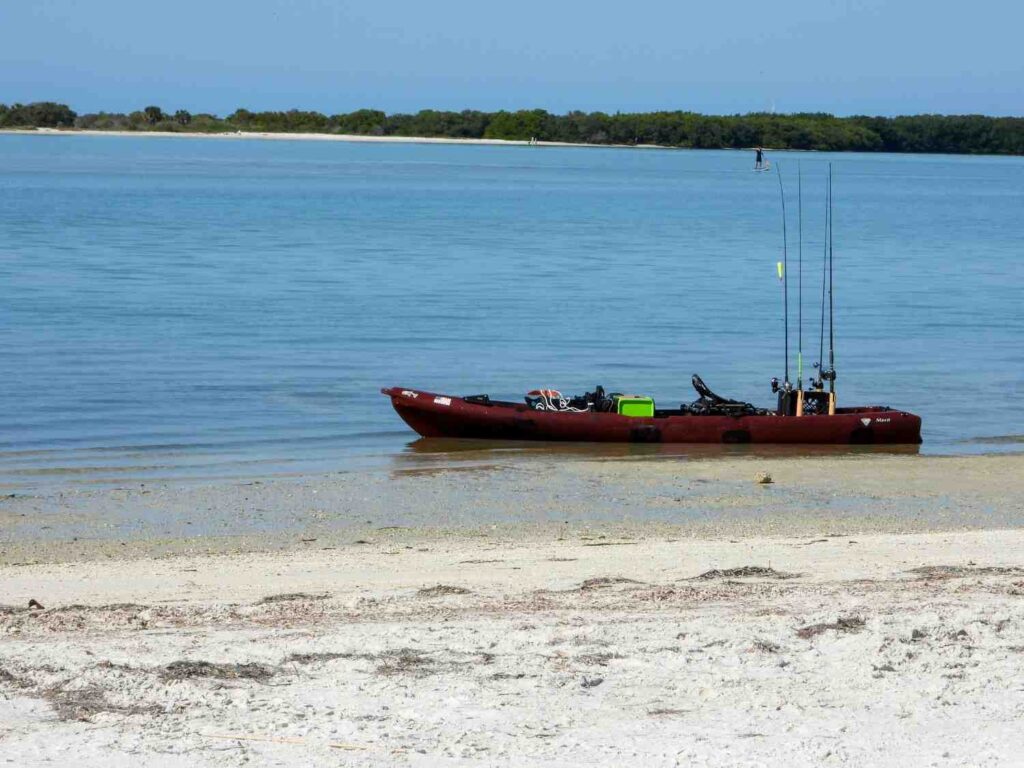
I remember fishing on a small coastal inlet where a guy had a brand-new kayak setup.
Fully built livewell system.
Not DIY. Factory rig.
First two hours were fine.
Then tide shifted slightly.
Water got rougher.
Nothing dramatic… just enough movement.
His pump mount loosened.
Battery slipped.
Tube disconnected.
Livewell turned into a dead box in under 20 minutes.
Meanwhile, an older angler nearby used a simple cooler with a cheap aerator.
No issues.
No stress.
Still catching bait fish.
That day made something very clear:
Complex systems don’t fail loudly. They fail quietly at the worst time.
Do You Even Need A Livewell?
You actually need one if:
- you rely on live bait regularly
- you fish tournaments
- you stay on water for long sessions
- you target species that require fresh bait
You don’t need one if:
- you use artificial lures
- you fish short trips
- you prefer lightweight setups
- storage simplicity matters more
A livewell is not a fishing upgrade.
It’s a fishing style choice.If you’re still figuring out what setup actually fits the way you fish, learning how to pick the perfect kayak for fishing can help you avoid building the wrong setup from the start.
Built-In vs DIY vs Cooler Setup
| Type | Feel | Risk | Best For |
| Built-in | clean setup | medium-high | tournament anglers |
| DIY | flexible | medium | experienced anglers |
| Cooler setup | simple | low | beginners |
Simple wins more often than people expect.
Best Fishing Kayaks With Livewell
Bonafide P127
Price:$1,900–$2,400
Length:12’7″
Weight:~125 lbs
Capacity: ~500 lbs capacity
Serious fishing platform.
- extremely stable
- tons of rear storage
- handles heavy livewell systems
- built for long sessions
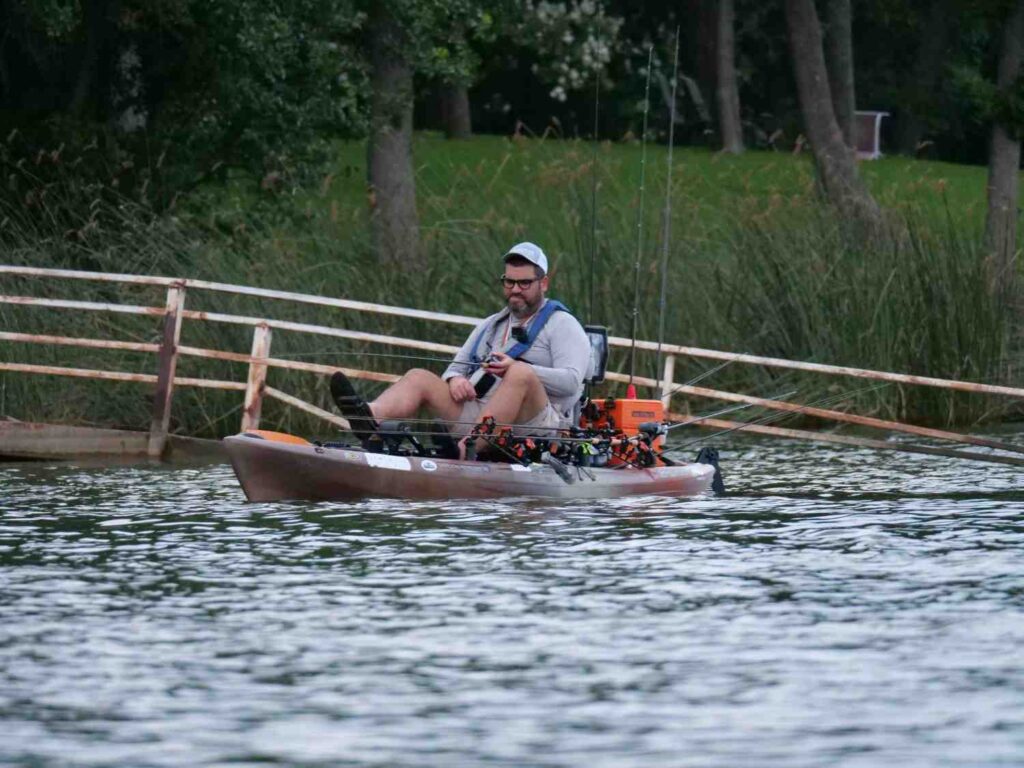
But heavy. Transport is real work.
Best for tournament anglers.
Old Town Sportsman PDL 120
Price:$2,500–$3,200
Length: 12 ft
Weight: ~116 lbs
Capacity: ~500 lbs capacity
Pedal drive makes bait handling easier.
- hands-free fishing
- stable casting platform
- great gear layout
Downside: heavy and expensive.
Best for serious frequent anglers.
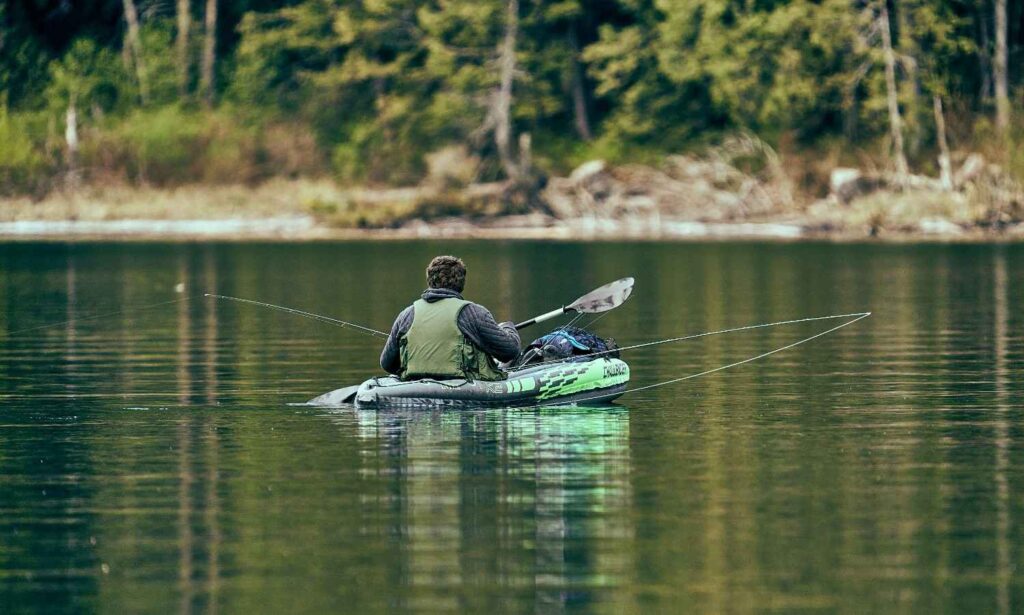
Perception Outlaw 11.5 (Budget Livewell Platform)
Price: $900–$1,200
Length: 11’6″
Weight: ~77 lbs
Capacity: ~425 lbs
This is the entry point for most anglers who want livewell fishing without spending crazy money.
No built-in livewell system, but the rear tankwell space is exactly why people choose it.
It gives you room to build a simple cooler-based setup without fighting the kayak design.
Good stuff:
- huge rear tankwell for DIY livewell
- very stable fishing platform
- beginner-friendly handling
- strong budget value
Weak spots:
- no factory livewell system
- paddle-only (slower than pedal kayaks)
- fully loaded setups feel heavy
Best for anglers starting livewell fishing on a budget.
Vibe Shearwater 125 (Expanded Reality Check)
Price: $1,500–$2,000
Length: 12’6″
Weight: ~82 lbs
Capacity: ~475 lbs
This kayak is misunderstood.
It’s not just mid-range — it’s a modular fishing platform.
That means you can change setup depending on fishing style:
- livewell at rear
- battery side mount
- cooler center balance
But flexibility only works with discipline.
I’ve seen anglers overload similar kayaks.
Looked fine on shore.
On water?
Everything shifted.
Fishing turned into constant correction.
Flexibility without structure becomes chaos.
Strengths:
- modular layout
- strong livewell compatibility
- stable standing platform
- good electronics space
Weak points:
- easy to overpack
- setup complexity increases
- transport harder when fully rigged
Best for controlled custom setups.
The Easiest Livewell Setup (Beginner Friendly)
Most beginners overcomplicate this.
You don’t need that.
You need reliability.
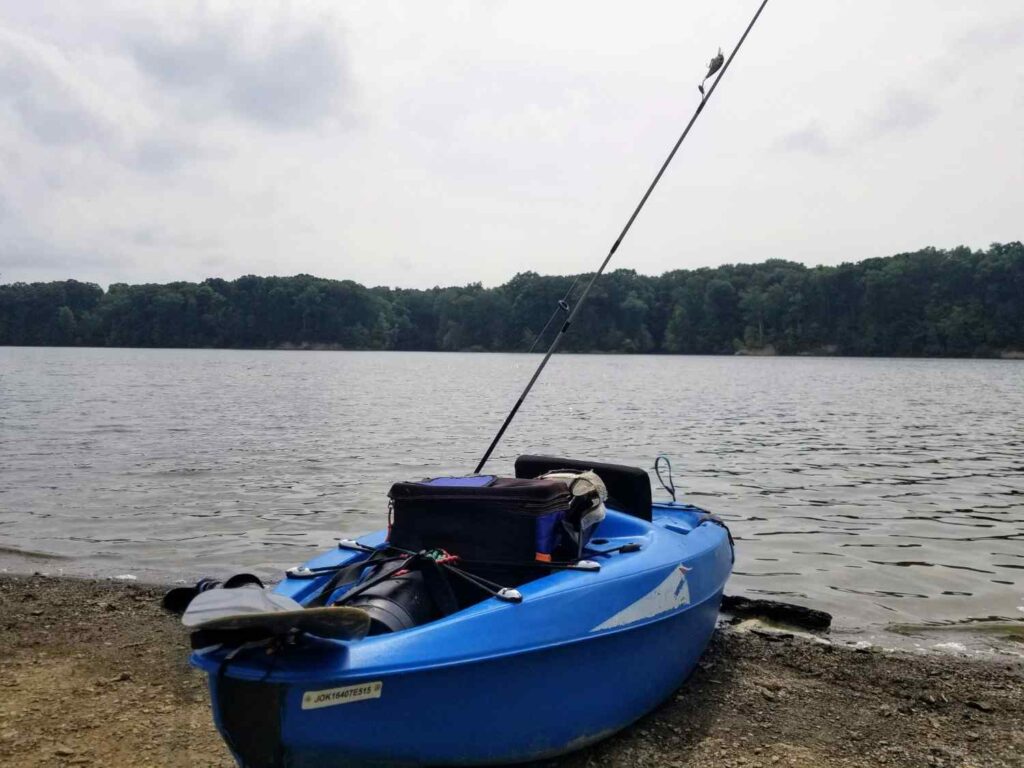
Step 1: Marine Cooler
Use 20–30 quart size.
Not too big. Not too small.
Step 2: Aerator Pump
Battery-powered oxygen pump.
Purpose is simple:
Keep water oxygen moving.
Step 3: Battery Power
Rechargeable pack.
Keep it stable and dry.If you’re planning to add more powered gear later, understanding a proper trolling motor setup can help you manage battery placement and balance more effectively.
Step 4: Secure Everything
Use straps or bungees.
Nothing should move while paddling.
Step 5: Test Before Water
Run it at home.
Check leaks.
Check battery life.
Simple habit saves frustration.
One More Reality About Livewells
Water is heavy.
A full system adds:
30–60+ lbs easily.
That extra weight is exactly why knowing how to transport a kayak properly becomes even more important once you start adding gear and accessories to your setup.
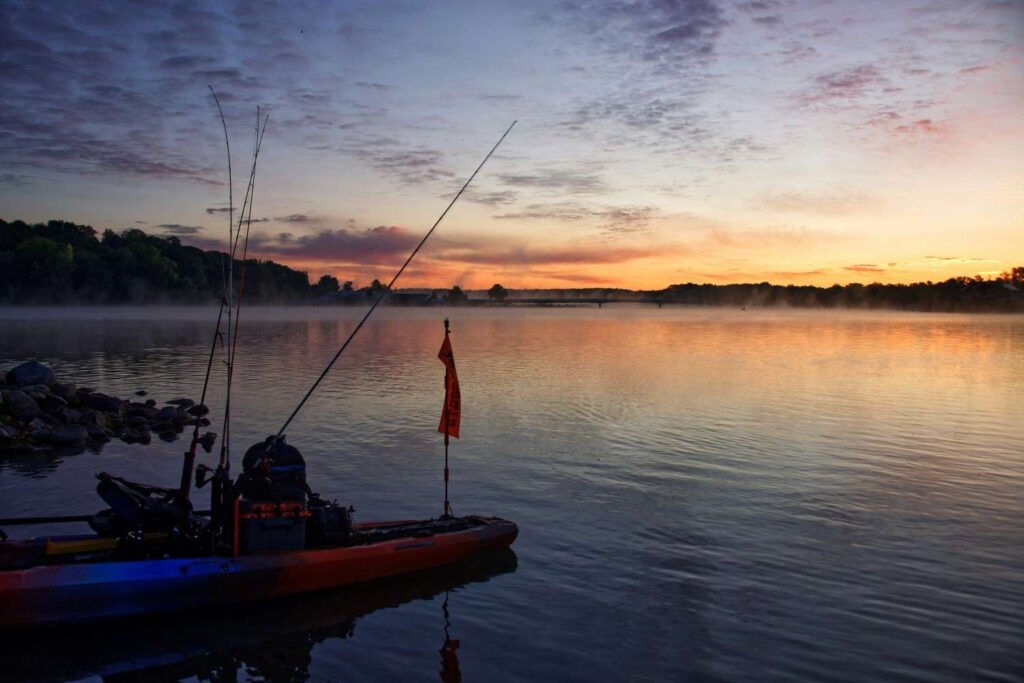
That changes:
- stability
- speed
- transport effort
Most beginners underestimate this completely.
Common Mistakes
- overcomplicated pump systems
- no backup aeration
- loose battery setup
- overloading kayak rear
- skipping test runs
- thinking “more gear = better fishing”
Many beginners fall into this trap, but adding too much too soon usually creates clutter and extra weight. It’s smarter to prioritize the kayak accessories you actually need based on your fishing style.
FAQ
Do I really need a livewell for kayak fishing?
Not always. It depends on your fishing style. Live bait anglers benefit most.
Can I add a livewell to any kayak?
Most sit-on-top fishing kayaks can handle a DIY setup if weight capacity allows.If you’re planning to add electronics too, it helps to understand a proper fish finding setup so you can plan wiring, sonar placement, and battery space the right way.
How much weight does a livewell add?
Usually 30–60 lbs including water and battery.
Are DIY livewells safe?
Yes, often more reliable than complex built-in systems if secured properly.
What size livewell is best?
20–30 quart cooler size works best for kayak fishing balance.
What’s the biggest beginner mistake?
Treating livewell as an upgrade instead of a fishing style decision.
Final Thought
A good fishing kayak with a livewell is not about complexity.
It’s about control.
Stable platform.
Simple oxygen system.
Reliable setup you trust on water.
Because fishing doesn’t fail when gear is missing.
It fails when gear stops working at the wrong time.
Keep it simple enough to trust.