
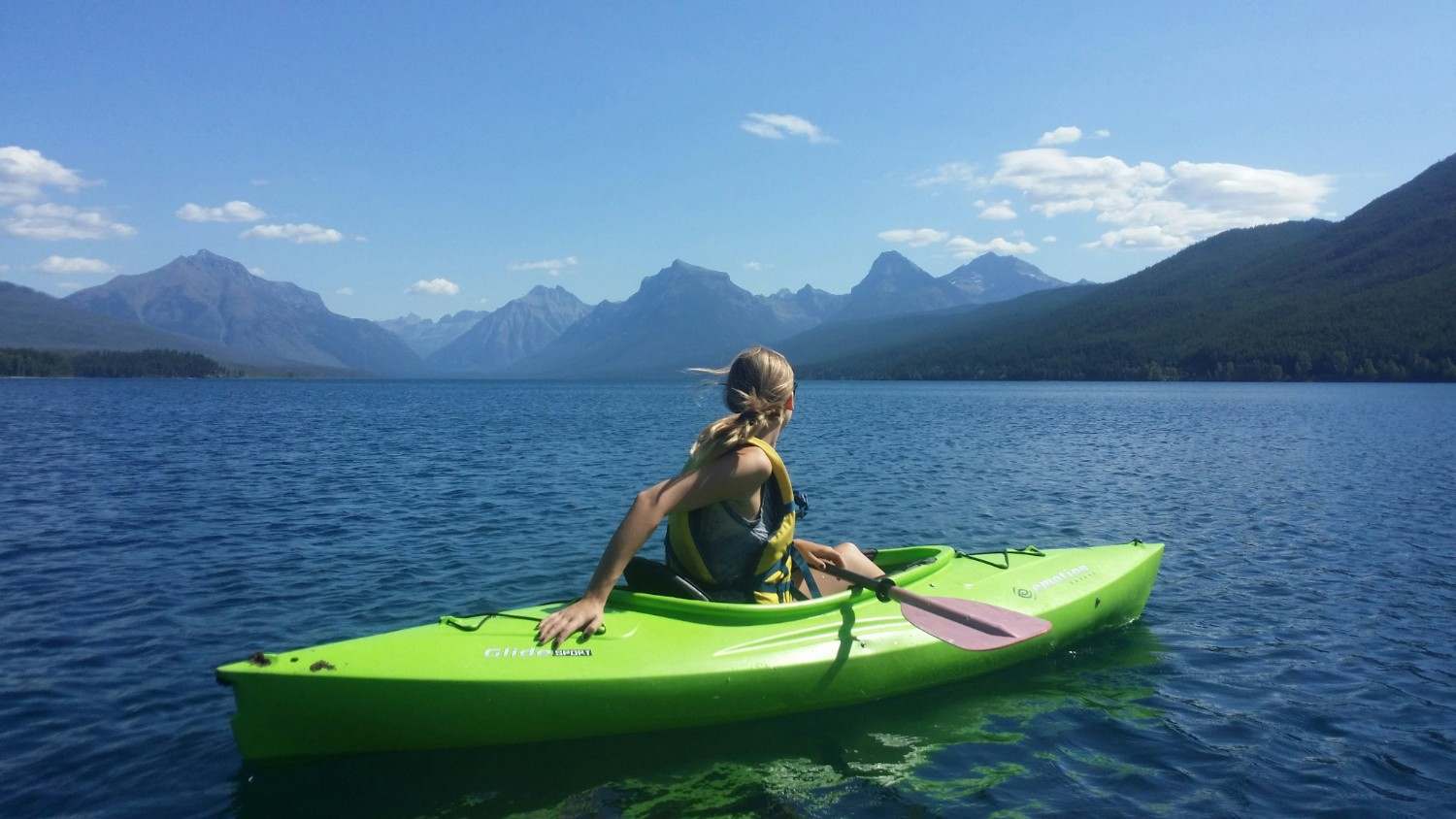
Yes, some pregnant women may be able to continue kayaking, particularly if they were already experienced paddlers before pregnancy and their pregnancy is uncomplicated.
But there’s a big distinction between kayaking and low-risk pregnancy exercises such as walking or swimming. A kayak can capsize. You can lose your balance getting in or out. Rough water can throw you against the boat, paddle, or shoreline.
That’s why I wouldn’t give a blanket “yes” or “no.”
Your pregnancy, kayaking experience, water conditions, kayak stability, and stage of pregnancy all matter. Before continuing or starting kayaking, talk with your obstetrician or midwife about whether it’s appropriate for you. ACOG recommends discussing exercise during pregnancy with your obstetric clinician, especially when an activity carries a risk of falling or injury.
The Biggest Risk Isn’t the Paddling Motion
Here’s the part people often miss.
The paddling itself may feel easy. The bigger concern is what can happen around the paddling.
Getting into a kayak from a slippery shoreline can be awkward. Stepping out can be worse. A sudden wake can rock the boat. Strong wind can push you sideways. A capsize can turn a calm outing into an unexpected swim.
Pregnancy also changes your body. As the abdomen grows, your center of gravity shifts, and balance can become more difficult. ACOG notes that pregnancy can increase the likelihood of losing balance and falling.
That changes how I would approach kayaking.
The goal isn’t to prove you can handle difficult water. It’s to remove as many unnecessary risks as possible.That mindset also matters when practicing getting into a kayak, because learning the right technique in calm, shallow water gives you more confidence without adding unnecessary risk.
Who May Be Able to Continue Kayaking?
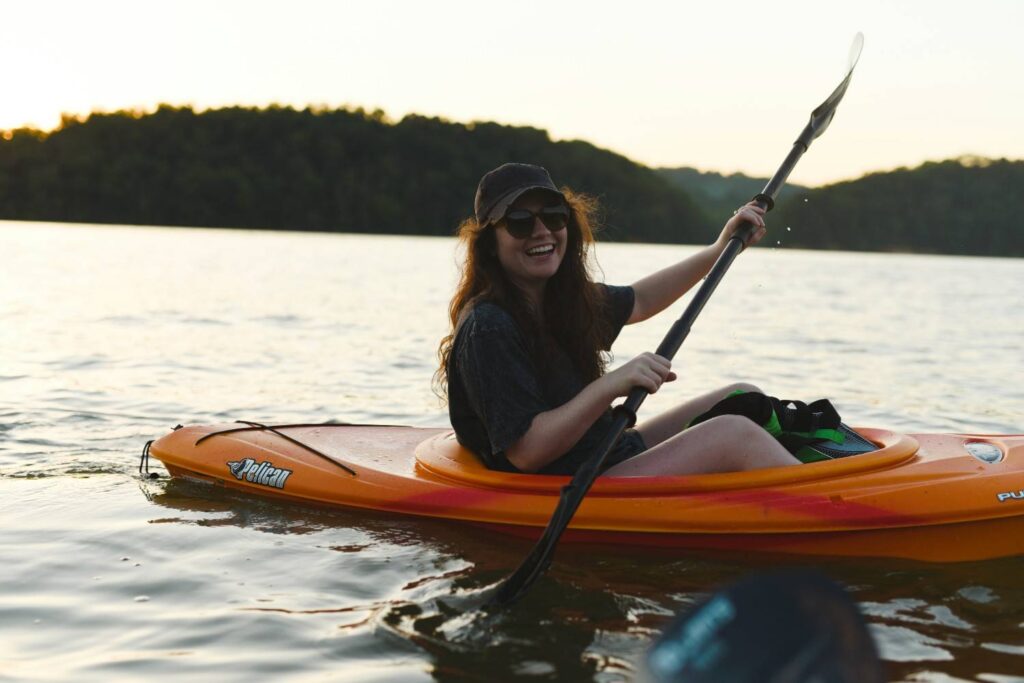
Someone who already kayaked regularly before pregnancy may have a very different situation from someone who has never been in a kayak.
An experienced paddler already understands:
- How their kayak behaves
- How to enter and exit safely
- How to control the boat in mild wind
- How to recognize changing water conditions
- How tiring a particular route can become
- What to do if the kayak becomes unstable
That familiarity matters.
If you’ve never kayaked before, pregnancy isn’t the time I’d recommend learning on moving water, taking a long trip, or experimenting with a narrow, unstable kayak.
Don’t use pregnancy as the time to start a high-risk version of a sport you’ve never done before.
Why Pregnancy Changes Your Normal Kayaking Routine
A route that felt effortless six months ago may feel completely different during pregnancy.
Your balance can change as your center of gravity shifts. Your joints and ligaments also become more relaxed during pregnancy, which can affect stability and injury risk.
You may also tire sooner or find certain positions uncomfortable.
That means your old benchmark—”I paddled this route every weekend before pregnancy”—isn’t necessarily a good reason to repeat it now.
Listen to what your body is telling you.
If something feels unstable, uncomfortable, unusually tiring, or simply wrong, turn around early. There is no prize for finishing the route.
The Safest Kayaking Conditions Are the Boring Ones
This is one situation where boring is good.
If your healthcare provider has cleared you for the activity, choose conditions that minimize the chance of a capsize or difficult rescue.
Look for:
- Calm, sheltered water
- Mild weather
- Little or no wind
- Easy shoreline access
- Short paddling distances
- Familiar launch points
- Someone nearby who knows you’re pregnant
- A route where you can return quickly
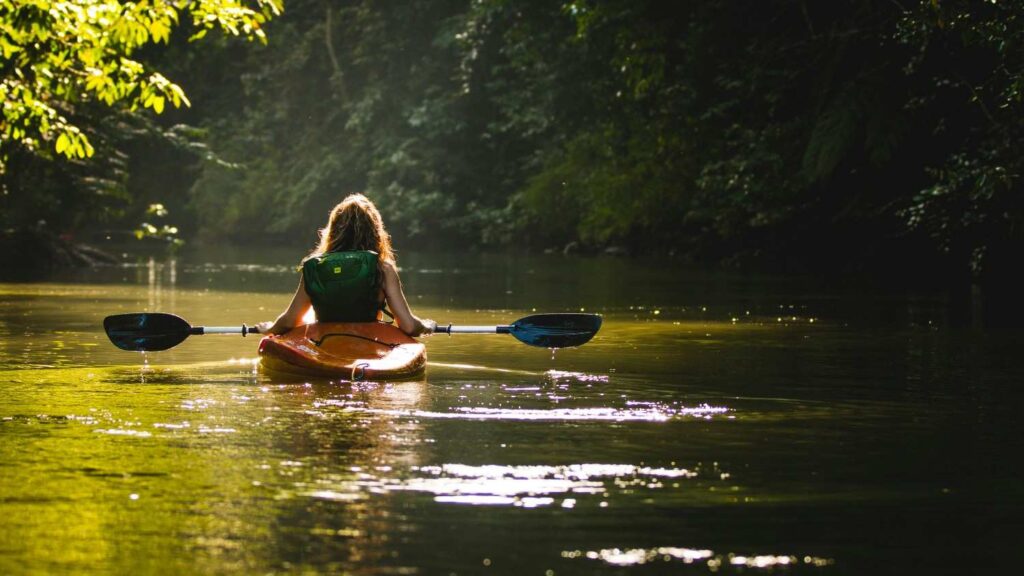
Avoid conditions that turn a recreational paddle into a survival exercise.
That means staying away from strong currents, rough water, heavy boat traffic, thunderstorms, and remote routes where getting help would be difficult.
Choose the easiest water available, not the most exciting.That approach becomes even more important when learning how to kayak safely in the ocean, where starting in sheltered conditions gives you time to understand wind, waves, currents, and your kayak before taking on more challenging water.
Your Kayak Matters More Than You Might Think
A very narrow performance kayak may feel wonderful to an experienced paddler under normal circumstances.
During pregnancy, stability becomes more valuable.
A wider recreational kayak with predictable stability may be a better choice than a narrow, twitchy boat. The exact choice depends on your experience and the water you’re paddling.
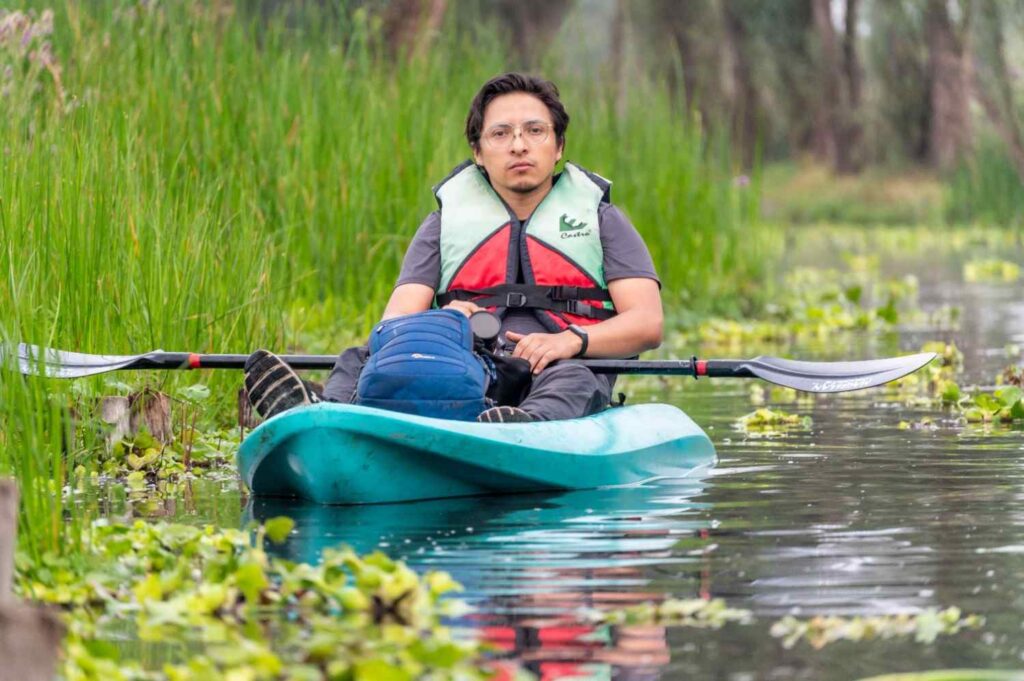
Sit in the kayak before committing to a trip.
Can you get in without twisting awkwardly? Can you sit comfortably? Can you exit without struggling? Does your abdomen have enough room? Can you reach your paddle naturally?
If the answer to any of those questions is no, change the setup.
Getting In and Out Is a Critical Moment
I’ve seen plenty of paddlers think about safety once they’re on the water and completely forget that launching and landing can be the trickiest parts.
A slippery bank can cause a fall before the kayak even reaches the water.
Take your time.
Use a stable launch point whenever possible. Avoid jumping into the kayak from an awkward position. Don’t let someone rush you because other paddlers are waiting behind you.

If the launch requires climbing over rocks, balancing on a steep bank, or stepping through slippery mud, choose another launch point.
The extra five minutes can be worth it.
Always Wear a Properly Fitted Life Jacket
This isn’t optional.
A properly fitted personal flotation device (PFD) should be worn throughout the paddle. Pregnancy can change how a PFD fits, so check that it doesn’t create uncomfortable pressure or restrict your breathing.
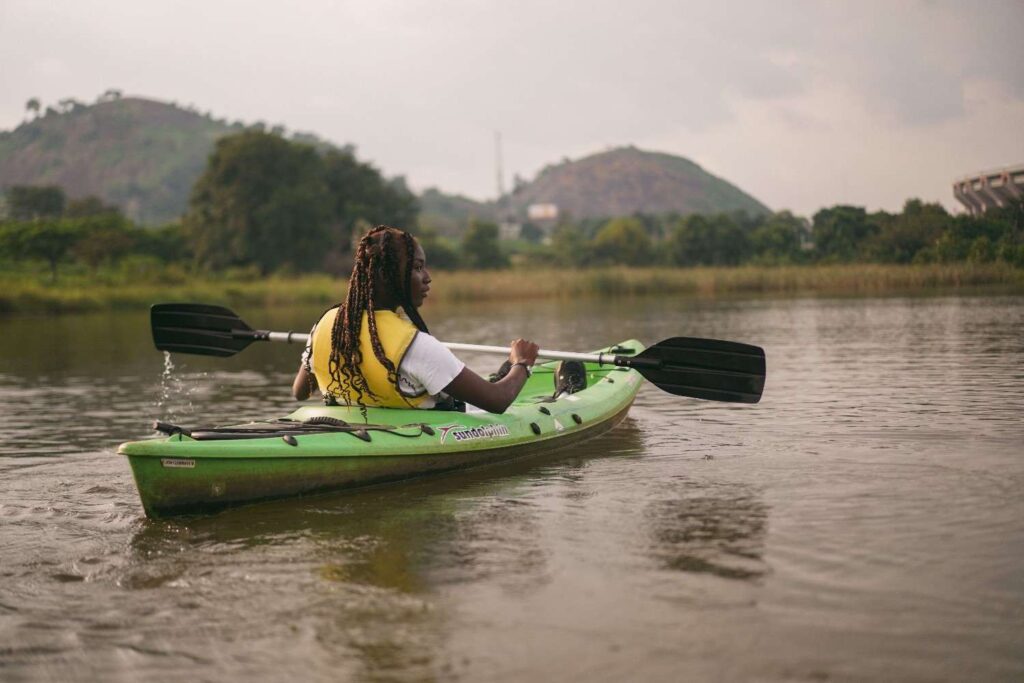
Don’t simply assume the PFD you wore before pregnancy still fits correctly.
Try it on while wearing the clothing you’ll actually use on the water. Sit down, move your arms, and check the fit.
If your current PFD becomes uncomfortable as pregnancy progresses, speak with your paddling outfitter about an appropriate replacement rather than loosening it excessively.
A PFD that isn’t fitted correctly isn’t a problem to ignore.That’s why choosing the best kayak life jacket for women means looking beyond appearance and making sure the PFD fits securely, stays in place, and allows comfortable movement while paddling.
Don’t Paddle Alone
Solo kayaking already has additional considerations. Pregnancy makes self-rescue and getting help more important.
A paddling partner can help with:
- Launching and landing
- Carrying the kayak
- Watching changing weather
- Getting help if you feel unwell
- Assisting after a capsize
- Calling emergency services if necessary
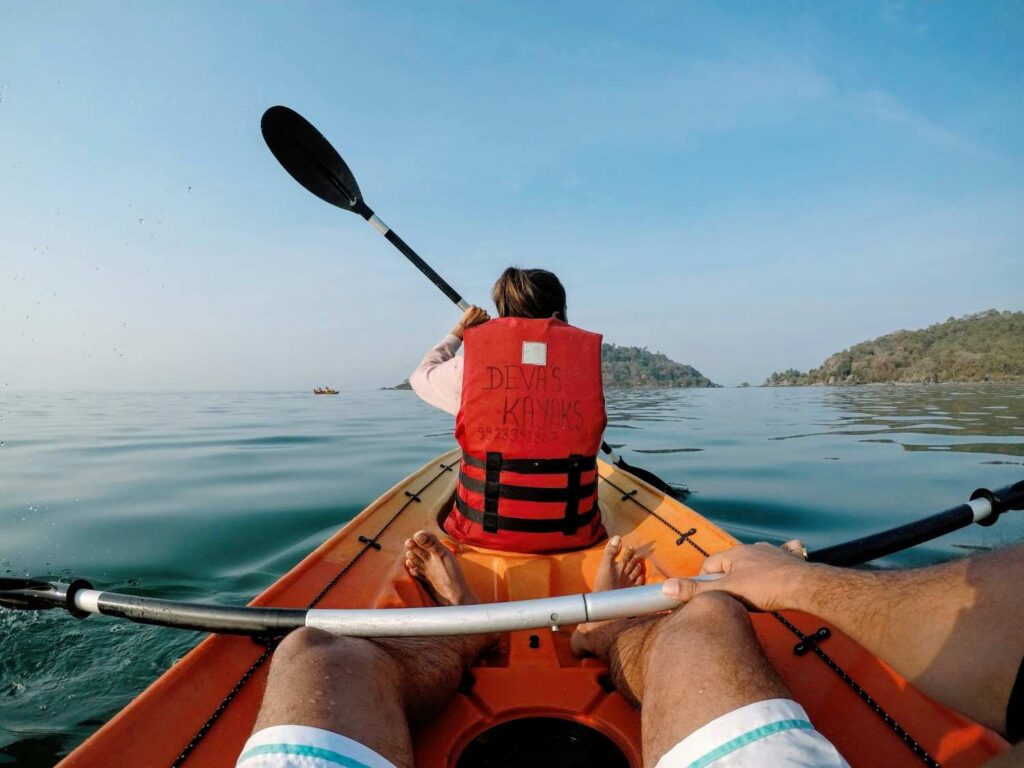
Tell your companion you’re pregnant and explain any limitations your clinician has given you.
There’s no need to make a dramatic announcement. When considering is kayaking safe for non swimmers, your paddling partner simply needs to know enough to make sensible decisions if something goes wrong.
What About Kayaking During the First Trimester?
The first trimester doesn’t automatically make exercise unsafe. For healthy pregnancies, regular physical activity is generally encouraged, and ACOG says exercise does not increase the risk of miscarriage, low birth weight, or early delivery in uncomplicated pregnancies.
That doesn’t mean every activity is appropriate.
Kayaking still carries the possibility of falling, capsizing, or abdominal impact. So the question isn’t simply, “Am I in my first trimester?”
A better question is:
Is this particular kayaking situation low enough risk for my pregnancy and my experience level?
Your obstetric clinician can help answer that.
What About the Second and Third Trimesters?
As pregnancy progresses, your body changes more noticeably.
A growing abdomen can affect balance and comfort. Getting into a kayak may become harder. Sitting in one position for a long time may become uncomfortable. Your usual paddling technique may also need adjustment.
ACOG notes that the shift in center of gravity during pregnancy can increase the risk of losing balance and falling.
For some women, that means modifying kayaking substantially or stopping altogether.
Don’t wait until you’re struggling to get back to shore.
If entering, exiting, sitting, paddling, or maintaining balance becomes difficult, that’s a strong signal to stop kayaking and choose a safer form of exercise.
When You Should Skip the Kayak
There are situations where kayaking simply isn’t worth the risk.
Your healthcare provider may advise against exercise or specific activities depending on your pregnancy and medical history.
You should also stop exercising and contact your obstetric clinician if you experience warning signs such as vaginal bleeding, dizziness or fainting, chest pain, significant shortness of breath, muscle weakness, calf pain or swelling, regular painful contractions, or fluid leaking from the vagina. ACOG specifically lists these as warning signs requiring exercise to stop and medical advice.
Don’t try to “paddle through” symptoms.
Your body isn’t giving you a challenge to overcome. It’s giving you information.
What to Pack for a Pregnancy Kayaking Trip
Keep the gear simple.
Bring:
- Properly fitted PFD
- Plenty of drinking water
- Weather-appropriate clothing
- Sun protection
- Phone in a waterproof case
- Emergency contact information
- Basic first-aid supplies
- Easy snacks
- Dry clothing
- A way to communicate with your paddling partner
Water is particularly important. ACOG recommends adequate hydration before, during, and after exercise during pregnancy.
Don’t wait until you’re thirsty to discover that your only water bottle is empty.Keeping essentials protected and organized in the best kayak dry bag makes it easier to carry water, snacks, and other supplies where you can reach them when you need them.
Heat and Sun Need Extra Attention
A calm summer lake can look perfect from the shore.
The problem is heat.
Pregnancy guidance recommends avoiding overheating, particularly in hot or humid conditions, and staying well hydrated.
If the forecast calls for extreme heat, change the plan.
An early-morning paddle may be more comfortable than an afternoon trip. Better yet, choose an indoor or shaded activity if conditions are excessive.
There is nothing wrong with cancelling a paddle because the weather isn’t cooperating.
Can You Kayak After a Previous Pregnancy?
A previous pregnancy doesn’t automatically tell you what you’ll be able to do during another one.
Every pregnancy can be different.
Your previous experience may give you confidence with the kayak, but your current pregnancy is what matters. Follow the advice of your current healthcare provider rather than assuming your previous routine is still appropriate.
Safer Alternatives If Kayaking Doesn’t Feel Right
Sometimes the smartest kayaking decision is to leave the kayak at home.
Walking and swimming are commonly recommended pregnancy activities. Water-based exercise can also be comfortable because the water supports your body.
Other options may include:
- Walking
- Swimming
- Prenatal exercise classes
- Modified prenatal yoga
- Stationary cycling
- Other activities approved by your healthcare provider
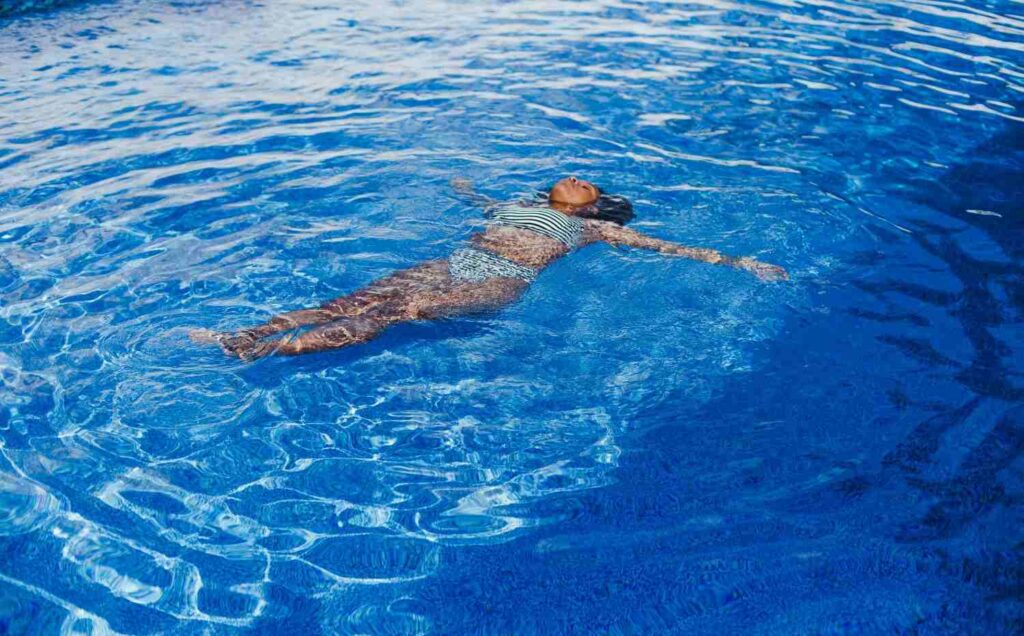
You don’t lose anything by switching activities for a few months.
The kayak will still be waiting.
A Simple Risk Check Before Launching
Before you put the kayak in the water, ask yourself five questions:
| Question | Good Sign | Warning Sign |
| Is my pregnancy uncomplicated and cleared for exercise? | Yes | Unsure or advised otherwise |
| Is the water calm? | Sheltered and predictable | Windy, rough, strong current |
| Can I enter and exit easily? | Stable access | Slippery or awkward launch |
| Do I feel physically comfortable? | Comfortable | Pain, dizziness, unusual fatigue |
| Is someone with me? | Reliable paddling partner | Going completely alone |
One “warning sign” doesn’t automatically mean something is medically wrong. It means you should stop and reassess rather than pushing ahead.
Frequently Asked Questions
1. Can you kayak while pregnant safely?
Some women may be able to continue kayaking during an uncomplicated pregnancy, particularly if they were already experienced paddlers. However, kayaking carries fall and capsize risks, so you should discuss it with your obstetric clinician before continuing or starting the activity.
2. Is kayaking safe in early pregnancy?
Pregnancy itself doesn’t mean you must stop all exercise. For healthy pregnancies, regular physical activity is generally beneficial. However, kayaking still involves a risk of falling or abdominal impact, so the specific conditions and your medical situation matter.
3. Can you kayak while 8 months pregnant?
There isn’t a universal point in pregnancy when every woman must stop kayaking. However, later pregnancy can make balance, entering and exiting the kayak, and comfortable positioning more difficult. Because fall risk can increase as the center of gravity changes, this is something to discuss directly with your obstetric clinician.
4. Can you kayak in the first trimester?
An uncomplicated first trimester doesn’t automatically rule out exercise. Still, kayaking carries risks that walking or swimming generally don’t, particularly capsizing and falling. Get individual medical advice before paddling.
5. Should you kayak alone while pregnant?
I’d avoid solo kayaking during pregnancy. Having another person nearby provides practical help if you become tired, feel unwell, capsize, or need assistance getting back to shore.
6. Is a sit-on-top kayak better during pregnancy?
A stable sit-on-top kayak may be easier for some paddlers because entering and exiting can be simpler, but kayak design alone doesn’t make an activity safe. Stability, water conditions, your experience, and your ability to get in and out comfortably all matter.
7. What should you avoid while kayaking pregnant?
Avoid conditions that significantly increase the chance of falling, capsizing, or being struck. Rough water, strong currents, severe weather, heavy boat traffic, difficult launches, and remote routes are poor choices. Pregnancy guidance generally recommends avoiding activities with a substantial risk of falling or abdominal injury.
8. What should I do if I fall or capsize while pregnant?
Get to a safe location and seek medical advice, particularly if you experienced an impact, abdominal trauma, bleeding, pain, dizziness, contractions, or fluid leakage. Don’t assume that feeling fine immediately means an injury cannot have occurred.
9. Is swimming safer than kayaking during pregnancy?
Swimming and water-based exercise are commonly recommended because the water supports your body and reduces some impact and balance demands. That doesn’t mean swimming is automatically safe for every pregnancy, but it is generally a lower-risk option than an activity involving capsizing or falling.
10. When should I stop exercising during pregnancy?
Stop and contact your obstetric clinician if you develop warning signs such as vaginal bleeding, dizziness or fainting, chest pain, significant shortness of breath, muscle weakness, calf pain or swelling, regular painful contractions, or fluid leaking from the vagina.
11. What’s the safest approach if I’m unsure?
Ask your obstetrician or midwife before going out. Give them the actual details: how many weeks pregnant you are, how experienced you are with kayaking, what type of kayak you use, and what water conditions you plan to paddle in.
That’s much more useful than simply asking, “Can I exercise?”
The safest decision is the one that protects both you and your pregnancy without taking an unnecessary water-safety risk.
Final Thoughts
Kayaking during pregnancy isn’t a decision to make based on confidence alone. Your experience level, pregnancy, water conditions, kayak stability, and ability to get help all matter.
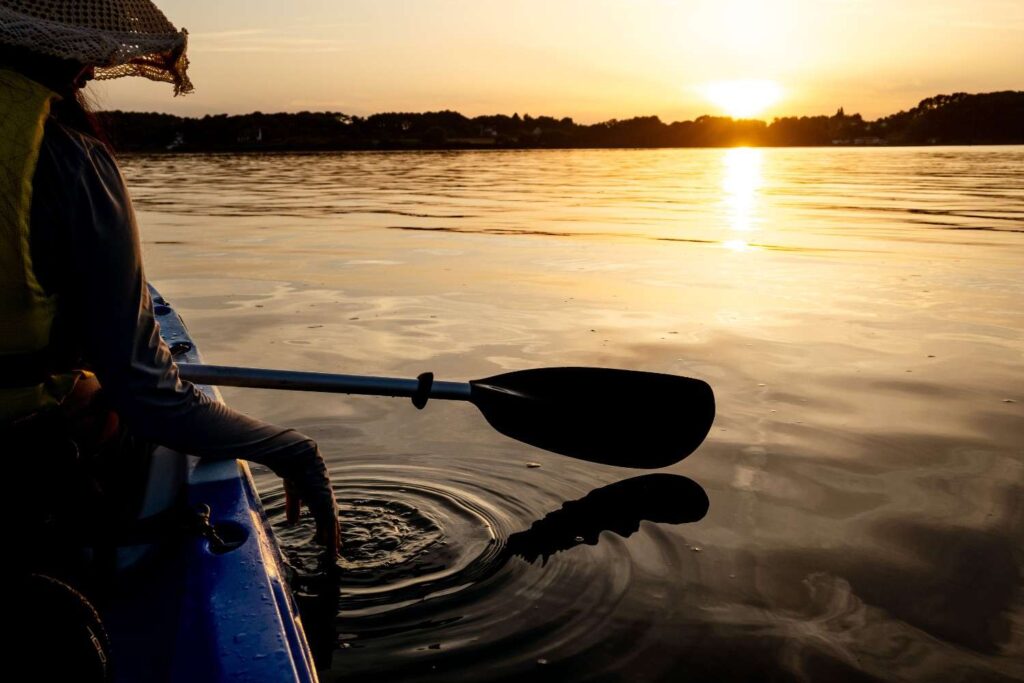
If your healthcare provider says kayaking is reasonable for you, keep the trip easy, stable, and close to help. Avoid rough water, strong currents, remote areas, and situations where a capsize could become difficult to manage.If anything feels unusual or unsafe, get off the water. There will always be another day to kayak. Protecting yourself and your pregnancy comes first.