

Cold water has a way of teaching lessons fast.
Most beginners think they’ll notice their hands getting cold and simply paddle back to shore. It rarely works that way. Hands usually lose strength gradually. First your grip weakens. Then simple tasks—adjusting a life jacket, opening a dry bag, or holding the paddle—start feeling harder than they should.
That’s why choosing the right gloves isn’t about comfort alone. It’s about maintaining control when the water temperature drops.
The best kayak gloves for cold water paddling keep your hands warm without making it difficult to grip the paddle.
Cold Water Doesn’t Have To Be Freezing
One mistake I see all the time is people judging conditions by the air temperature.
The water is what matters.
A sunny spring morning can feel comfortable while the lake is still cold enough to numb your fingers within minutes.
Pay attention to:
- Water temperature
- Wind speed
- Rain or spray
- Trip length
- Distance from shore
A short paddle close to shore demands less insulation than an all-day trip across open water. Understanding what to wear kayaking in cold weather helps you match your clothing to both the water temperature and the length of your trip, rather than relying on the forecast alone.

Why Ordinary Winter Gloves Don’t Work
Many people already own insulated gloves and wonder if they can use those instead.
Technically, yes.
Practically, no.
Regular winter gloves absorb water quickly. Once soaked, they become heavy, cold, and uncomfortable. They also make gripping a paddle much harder.
Kayak gloves are built differently.
They’re designed to stay warm even when wet, dry faster, and provide enough flexibility for continuous paddling.
What Material Keeps Hands Warm?
Most cold-water kayak gloves are made from neoprene.
Neoprene traps a thin layer of water between the glove and your skin. Your body warms that water, creating insulation even while your hands are wet.
That’s why a wet neoprene glove often feels warmer than a dry cotton glove.

Other materials also appear in quality gloves.
| Material | Best For | Things to Know |
| Neoprene | Cold water paddling | Excellent insulation even when wet |
| Fleece lining | Added warmth | Improves comfort inside the glove |
| Synthetic fabric | Mild conditions | Lightweight and breathable |
| Rubberized palms | Better grip | Reduces paddle slipping |
Choosing the Right Thickness
Thicker isn’t always better.
Very thick gloves can make it difficult to feel the paddle shaft.

A good balance looks like this:
| Glove Thickness | Best Conditions |
| 1–2 mm | Cool spring and fall days |
| 3 mm | Most cold-water paddling |
| 5 mm | Very cold water and winter trips |
For most recreational paddlers, 3 mm neoprene gloves provide the best balance between warmth and control.
Grip Matters More Than Most Beginners Realize
Warm hands don’t help much if the paddle keeps slipping.
Look closely at the palm before buying.
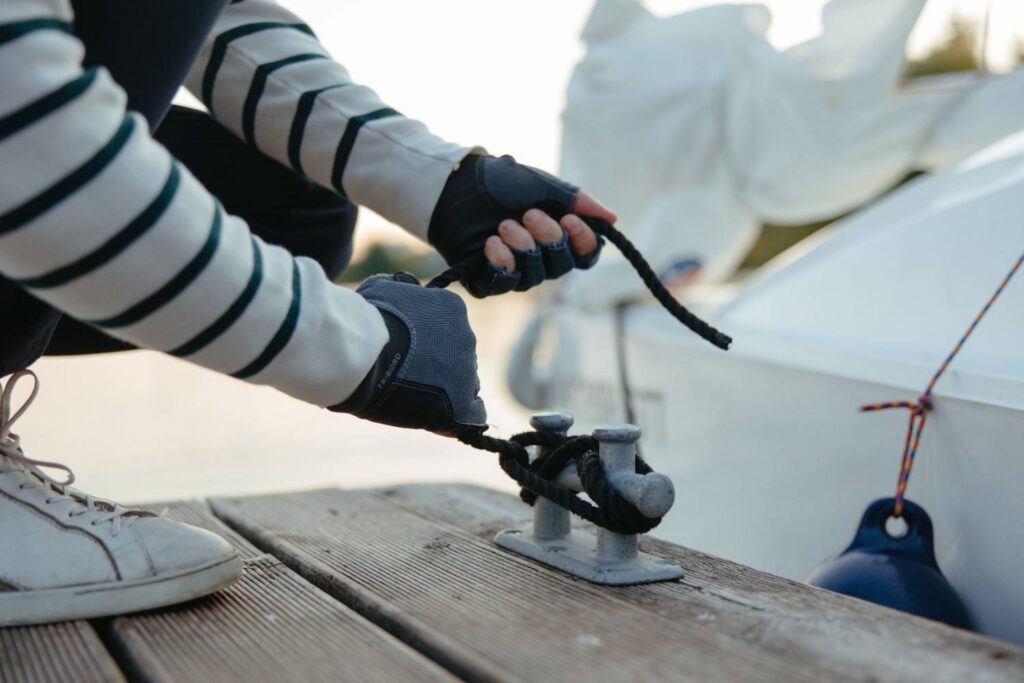
Good kayak gloves usually include:
- Textured rubber grip
- Reinforced palm panels
- Flexible finger joints
- Strong stitching around high-wear areas
Smooth palms become slippery after hours of paddling.
Textured palms stay secure even when constantly wet.
One Feature Buyers Often Ignore
Try opening a zipper while wearing the gloves.
Seriously.
If you struggle with that simple task in the store, imagine trying it after an unexpected swim with cold hands.
Small everyday movements reveal a lot about how practical a glove really is.
Good kayaking gloves protect your hands without making ordinary tasks frustrating. The same principle applies when choosing the best kayak bilge pump for beginners—it should be simple to operate quickly, even with cold or wet hands, when every second counts.
Don’t Buy Gloves Based Only on Temperature Ratings
Manufacturers love advertising temperature numbers.
Treat them as rough guidelines.
Wind, water temperature, fitness level, circulation, and even how hard you’re paddling all affect how warm your hands actually feel.
That’s why two paddlers wearing the same gloves may have completely different experiences on the same lake.
Focus on overall construction and fit instead of chasing the lowest advertised temperature.
Getting the Right Fit
A loose glove traps extra water and reduces warmth.
An overly tight glove restricts circulation, which makes cold hands even colder.
The ideal fit feels snug without squeezing your fingers.
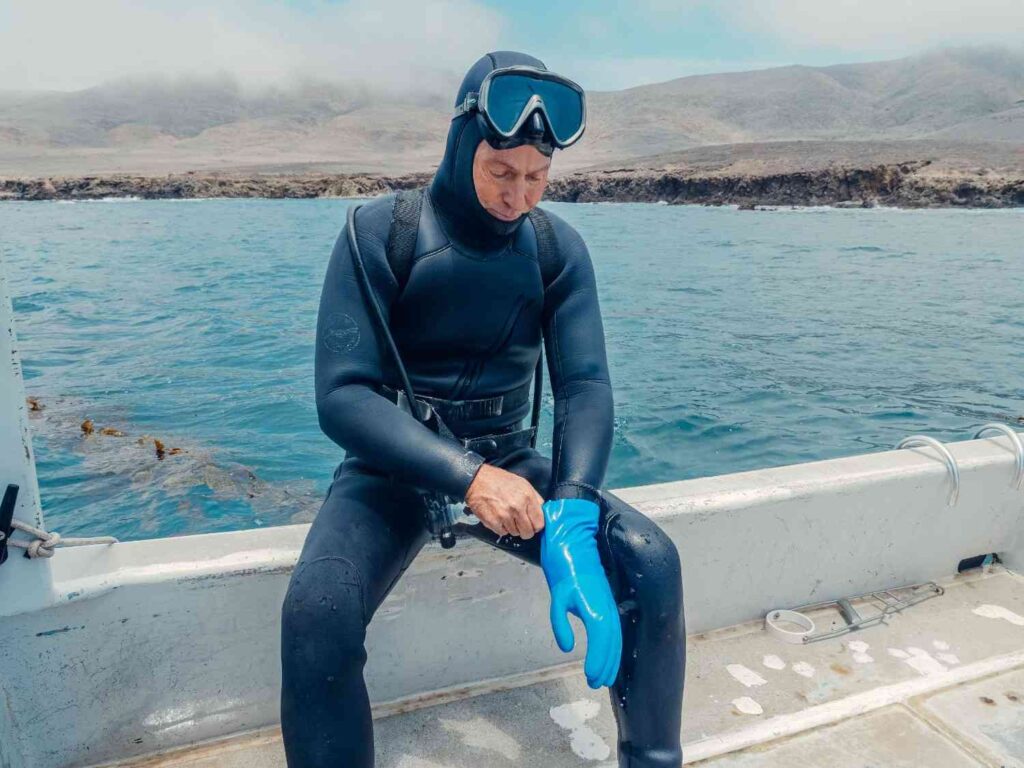
Check these areas:
- Fingers should bend naturally.
- No large air pockets inside.
- Wrist seals comfortably.
- Full grip around the paddle feels natural.
A properly fitted glove almost disappears once you start paddling.
Common Mistakes That Leave Your Hands Freezing
I’ve watched beginners spend good money on quality gloves and still complain about cold hands. Almost every time, the problem wasn’t the glove. It was how they were using it.
Avoid these common mistakes:
- Buying gloves that are too big because they feel comfortable in the store.
- Wearing cotton liners that stay wet.
- Ignoring the water temperature and only checking the air temperature.
- Taking gloves off during breaks and putting them back on with cold, wet hands.
- Choosing cheap gloves with weak stitching that split after a few trips.
One mistake stands out above the rest. People often underestimate cold water. A sunny spring morning may feel warm enough for a T-shirt, yet the lake can still be cold enough to numb your hands within minutes.
Cold Water Gloves vs. Pogies
Many new paddlers confuse gloves with pogies.
Pogies attach directly to the paddle shaft. Your hands slide inside them while gripping the paddle normally. They block wind and spray but leave your hands bare on the paddle.
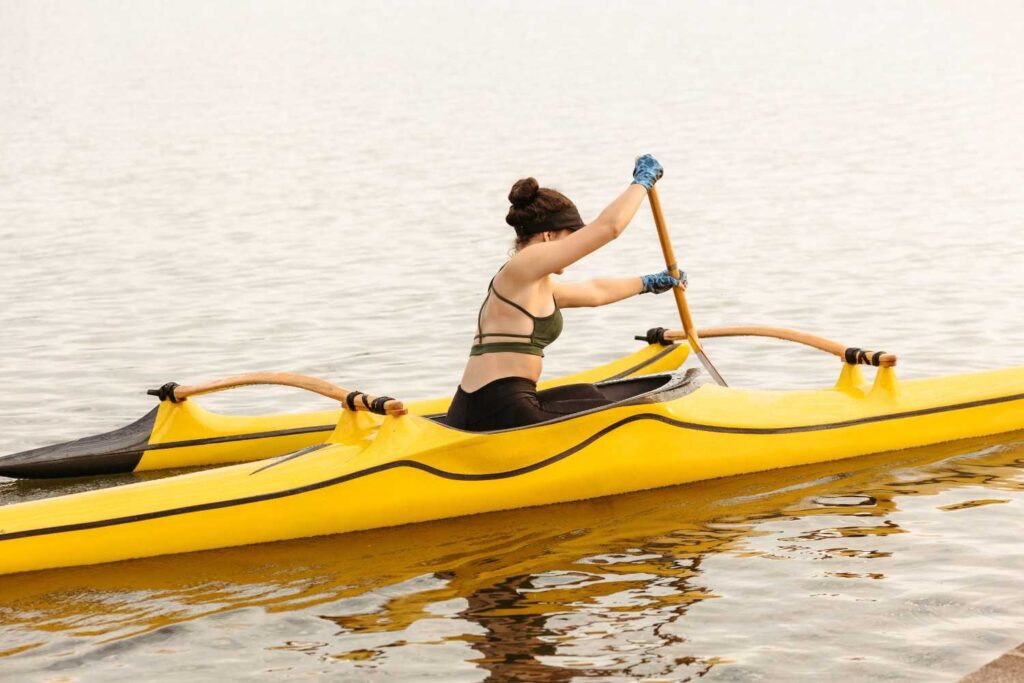
Gloves stay on your hands all the time.
Here’s how they compare.
| Feature | Cold Water Gloves | Pogies |
| Warmth | Excellent | Excellent in cool conditions |
| Paddle Feel | Slightly reduced | Very natural |
| Protection Off the Paddle | Yes | No |
| Easy for Beginners | Yes | Takes practice |
| Best Use | Cold water, launching, rescues | Long-distance paddling |
Many experienced paddlers actually carry both. Gloves handle launching, landing, and emergency situations, while pogies provide outstanding comfort during long paddling sessions.
Caring for Your Gloves So They Last
Good gloves aren’t cheap. A little care can easily add several seasons to their life.
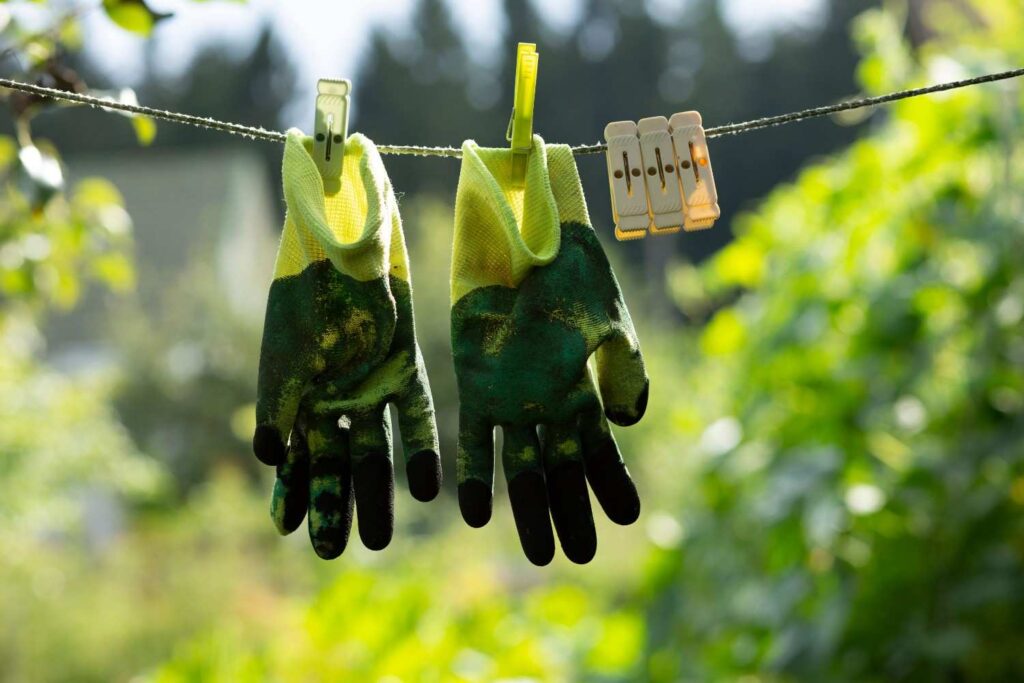
After every trip:
- Rinse them with fresh water, especially after saltwater paddling.
- Turn them inside out to dry completely.
- Keep them away from direct sunlight for long periods.
- Don’t leave them inside a hot vehicle.
- Store them flat instead of folding them tightly.
The smell many people complain about usually comes from storing damp gloves before they’re fully dry. The same habit applies to how to store a kayak, because letting your gear and kayak dry completely before storage helps prevent odors, mold, and unnecessary wear over time.
A Lesson From One Very Cold Morning
Years ago, I joined a late autumn paddle with a group of beginners. One paddler proudly showed off brand-new expensive gloves.
About thirty minutes into the trip, he couldn’t stop shaking his hands.
The problem wasn’t the gloves.
He had bought them one size too large because they “felt more comfortable” in the store. Every paddle stroke pumped cold water through the loose fingertips. His hands never had a chance to warm up.

We swapped gloves with another paddler who had a properly fitted spare pair.
Within fifteen minutes, his hands felt noticeably warmer.
That morning reinforced something I’ve repeated ever since:
Fit matters just as much as insulation.The same attention to detail is essential when learning how to kayak safely in the ocean, because clothing that fits properly helps you stay comfortable, move freely, and respond more effectively if conditions suddenly change.
Are Expensive Gloves Always Better?
Not necessarily.
Higher-priced gloves often use premium neoprene, reinforced stitching, and better wrist seals. They usually last longer.
But a $60 glove that fits perfectly will outperform a poorly fitting $120 glove every time.
Spend your budget on:
- Proper fit
- Reliable stitching
- Comfortable grip
- Suitable thickness for your climate
Fancy marketing features rarely make much difference on the water.
Quick Buying Checklist
Before clicking “Buy Now,” make sure your gloves check these boxes.
| Feature | Recommended |
| Material | Quality neoprene |
| Thickness | 2–3 mm for cool water, 5 mm for very cold water |
| Grip | Textured palm |
| Wrist Seal | Adjustable or snug cuff |
| Finger Movement | Comfortable without stiffness |
| Durability | Reinforced seams |
| Drying Time | Fast after rinsing |
| Beginner Friendly | Yes |
A glove that checks these boxes will serve most recreational paddlers for years.
Frequently Asked Questions
1. What thickness gloves are best for cold water kayaking?
For most paddlers, 2–3 mm neoprene gloves work well in cool water. When water temperatures approach freezing, 5 mm gloves provide much better insulation.
2. Should kayaking gloves be tight?
Yes. They should fit snugly but not tightly. Loose gloves allow cold water to circulate inside, while overly tight gloves reduce blood circulation.
3. Are fingerless gloves good for cold weather?
Not really. Fingerless gloves work well during warm-weather fishing but provide very little protection in cold water.
4. Can I use diving gloves for kayaking?
Yes. Many paddlers use neoprene diving gloves successfully, provided they offer good grip and enough flexibility for holding a paddle comfortably.
5. Do waterproof kayaking gloves exist?
Most cold-water kayaking gloves aren’t completely waterproof. Instead, neoprene traps a thin layer of water that your body warms, creating insulation.
6. What’s better: gloves or pogies?
Both work well. Gloves protect your hands all the time, while pogies offer excellent paddle feel during long trips. Many experienced paddlers carry both.
7. How long should kayaking gloves last?
With proper care, a quality pair often lasts three to five years, depending on how frequently you paddle and whether you use them in saltwater.
8. Can cold hands become dangerous while kayaking?
Yes. Extremely cold hands lose strength and coordination, making it harder to grip the paddle or perform a rescue. That’s one reason experienced paddlers never underestimate cold-water protection.
9. How do I stop my gloves from smelling?
Rinse them thoroughly after every trip, dry them completely inside and out, and never store them while damp.
10. Are expensive kayaking gloves worth the money?
Sometimes. Better materials and construction usually improve durability, but fit is still the biggest factor. A well-fitting mid-range glove often performs better than an expensive glove that doesn’t fit properly.
Final Thoughts
Cold hands can ruin an otherwise perfect kayaking trip.
The right gloves don’t simply keep your fingers warm—they help maintain grip strength, improve control, and reduce fatigue throughout the day. Beginners often focus on kayaks and paddles first, but quality gloves quickly become one of the pieces of gear they appreciate most.
Buy gloves that match the water temperature, fit snugly without restricting circulation, and feel comfortable after an hour of paddling—not just five minutes in a store.
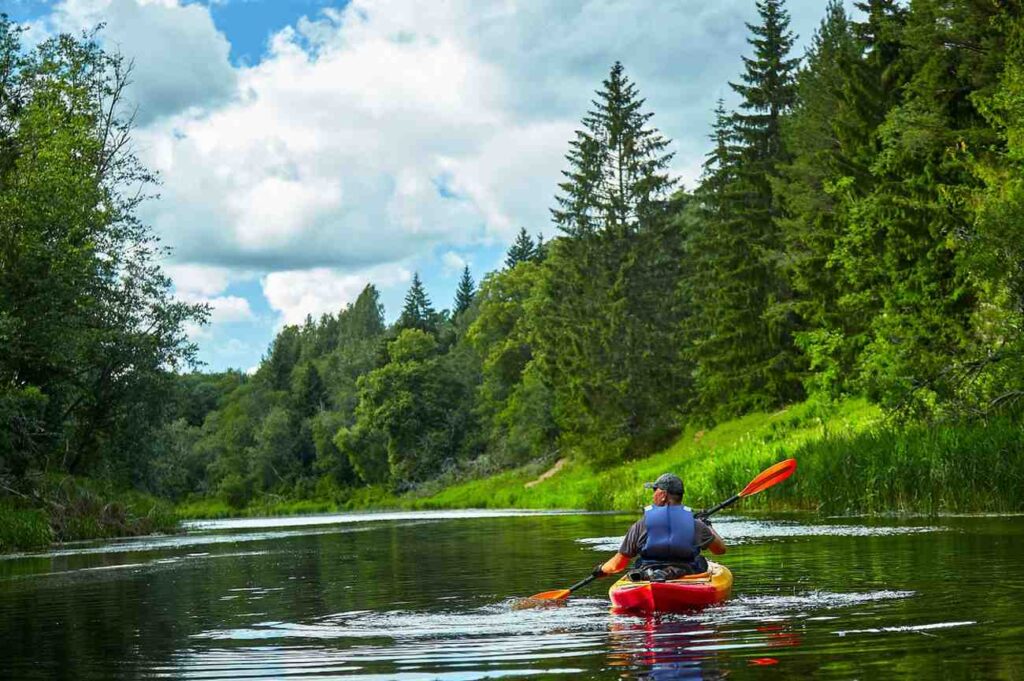
Once you’ve experienced a cold morning on the water with warm, dry hands, you’ll never want to paddle without them again. Pair those gloves with the best kayak paddle for fishing under $100, and you’ll stay comfortable while enjoying efficient, fatigue-free paddling without overspending.