
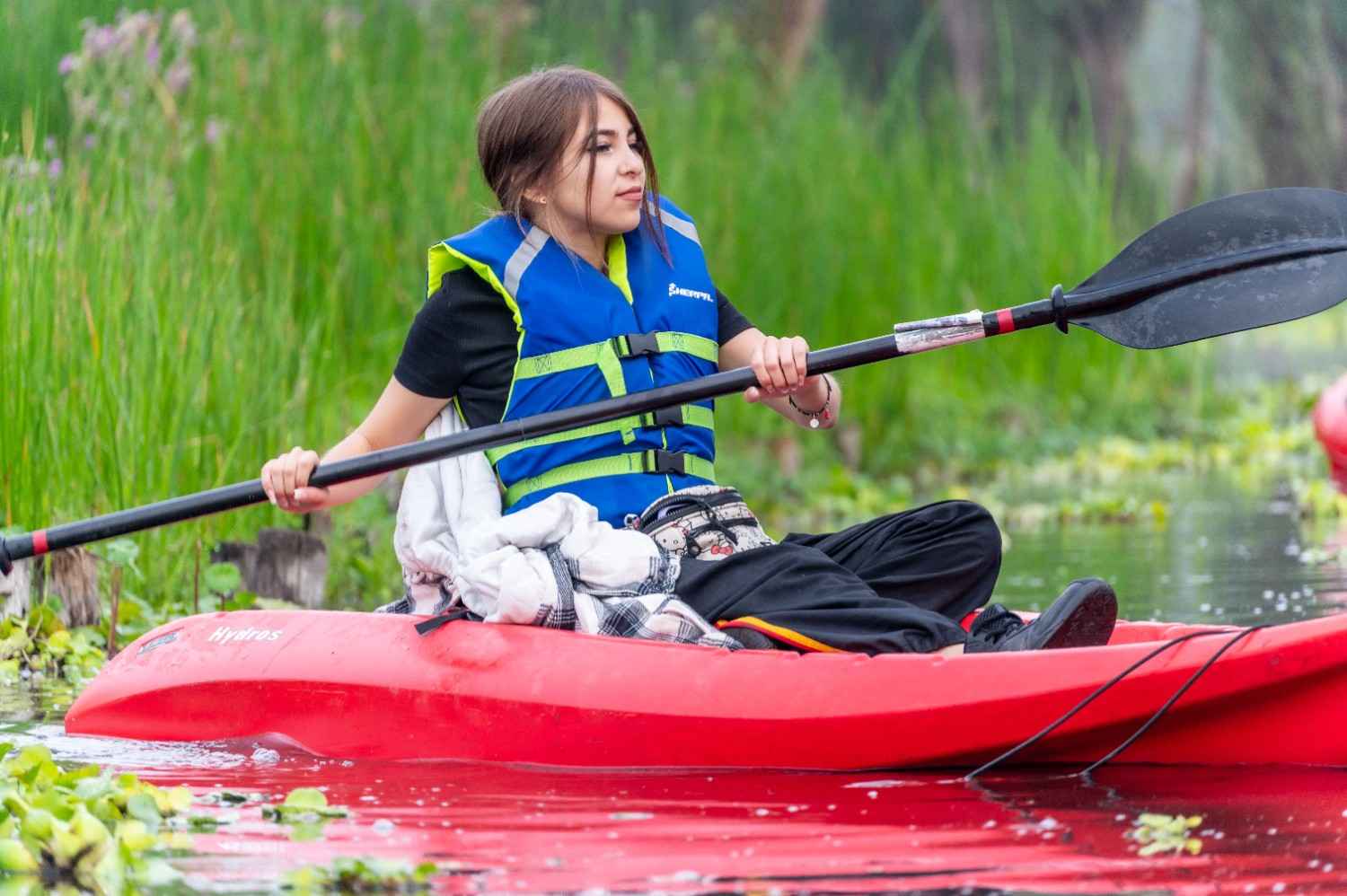
Buying a fishing kayak is usually the expensive part. Then you start looking at paddles and suddenly realize a decent one can cost another $200 or more. That’s when most people grab the cheapest paddle they can find.
I’ve watched that mistake play out hundreds of times.
The kayak performs fine. The angler is excited. Two hours later, shoulders hurt, wrists ache, and every paddle stroke feels heavier than the last. Most people blame themselves. They shouldn’t.
A good fishing paddle doesn’t have to be expensive.
The trick is knowing which features actually matter and which ones are just marketing. I’ve spent years fishing from recreational kayaks, pedal kayaks, touring boats, and wide sit-on-top fishing platforms. Some of my favorite budget paddles cost well under $100 because they focused on the right things instead of flashy extras.
If you’re shopping on a budget, here’s what I’d tell a friend standing next to me in the paddle aisle.
Quick Answer
The best kayak paddle under $100 is one that fits your height, kayak width, and fishing style—not simply the lightest or cheapest model.
Look for these features before anything else:
| Feature | What to Look For |
| Paddle Length | Usually 240–250 cm for fishing kayaks |
| Shaft Material | Fiberglass or lightweight aluminum |
| Blade Material | Reinforced polypropylene or fiberglass nylon |
| Weight | Under 35 ounces if possible |
| Feather Adjustment | Adjustable angles are ideal |
| Drip Rings | Yes |
| Comfortable Grip | Essential for long trips |
A properly sized $90 paddle will outperform a poorly sized $250 paddle every single day.
The Biggest Mistake Budget Buyers Make
Here’s something that still surprises beginners.
They’ll spend weeks researching kayaks.
Then they’ll buy whatever paddle is hanging on the store rack.
That’s backwards.
Every paddle stroke travels through your hands, wrists, elbows, shoulders, and back. During a normal fishing day you’ll take thousands of strokes before loading the kayak back onto the truck.
A heavy paddle might only weigh eight or ten ounces more than a lighter one.
Doesn’t sound like much.
Multiply those extra ounces by several thousand strokes.
Now it matters.
I’ve watched anglers switch from a heavy bargain paddle to a lighter fiberglass model and immediately notice less shoulder fatigue before lunchtime.
That’s money well spent.
Why Fishing Paddles Are Different
Not every kayak paddle is designed for anglers.
Fishing kayaks are usually:
- Wider
- Heavier
- Slower
- Loaded with gear
- Less responsive than touring kayaks
That changes everything.
A narrow touring paddle may feel great for speed but force awkward paddle angles on a 38-inch-wide fishing kayak.
Meanwhile, an oversized paddle blade can wear you out long before the fish start biting.
Balance matters more than brute force.The same principle applies when learning how to size a kayak paddle, because the right paddle length improves efficiency and control instead of forcing you to rely on extra effort.
Picking the Right Paddle Length
Length causes more problems than almost anything else.
Too short?
You’ll constantly splash yourself while striking the sides of the kayak.
Too long?
Every stroke feels awkward and inefficient.

Here’s the guideline I’ve recommended for years.
| Kayak Width | Recommended Paddle |
| Under 28 inches | 220–230 cm |
| 28–32 inches | 230–240 cm |
| 32–36 inches | 240 cm |
| Over 36 inches | 250–260 cm |
Most modern fishing kayaks fall into the last two categories.
That’s why you’ll often see experienced anglers carrying 240 cm or 250 cm paddles.
Don’t Ignore Paddle Weight
Everyone notices paddle price.
Experienced paddlers notice paddle weight.
There’s a reason.
Imagine lifting a coffee mug.
Easy.
Now lift that mug several thousand times.
Suddenly every ounce matters.
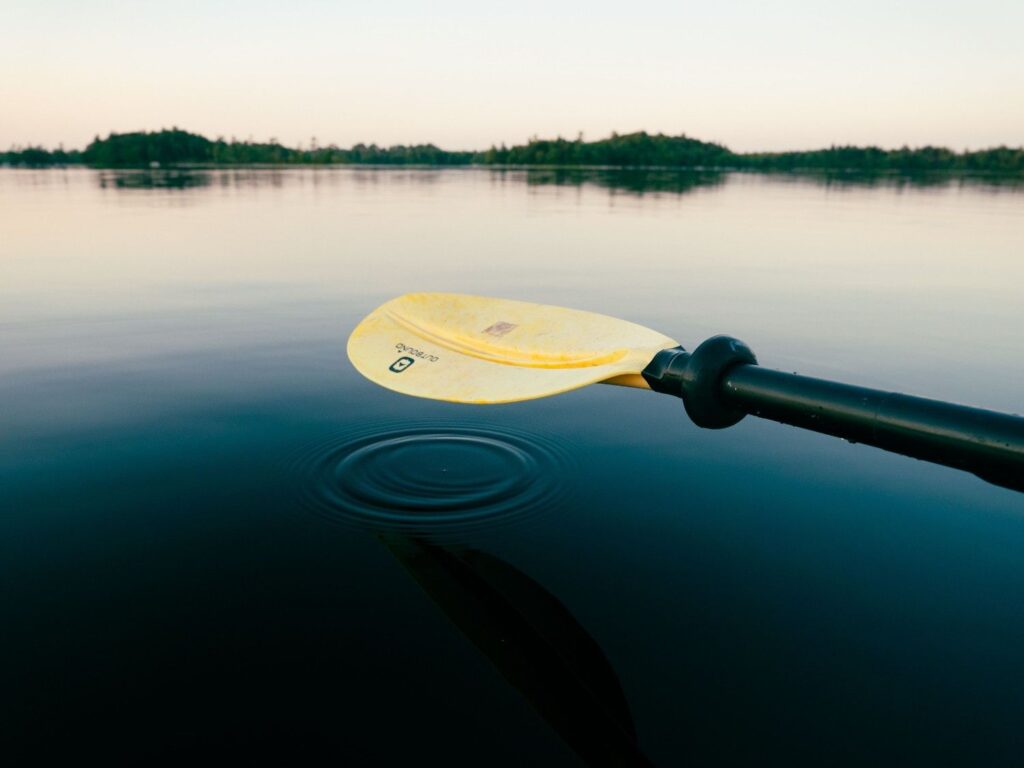
Here’s a practical comparison.
| Paddle Weight | How It Feels During a Fishing Trip |
| Under 30 oz | Excellent for long days |
| 30–34 oz | Comfortable for most anglers |
| 35–38 oz | Acceptable for occasional trips |
| Above 38 oz | Fatigue builds quickly |
Weight doesn’t matter much during the first ten minutes.
It absolutely matters after four hours.
Aluminum vs. Fiberglass Shafts
People often assume aluminum is automatically worse.
That’s not always true.
I’ve recommended aluminum paddles to plenty of beginners because they stretch the budget without sacrificing safety.
Still, each material has trade-offs.
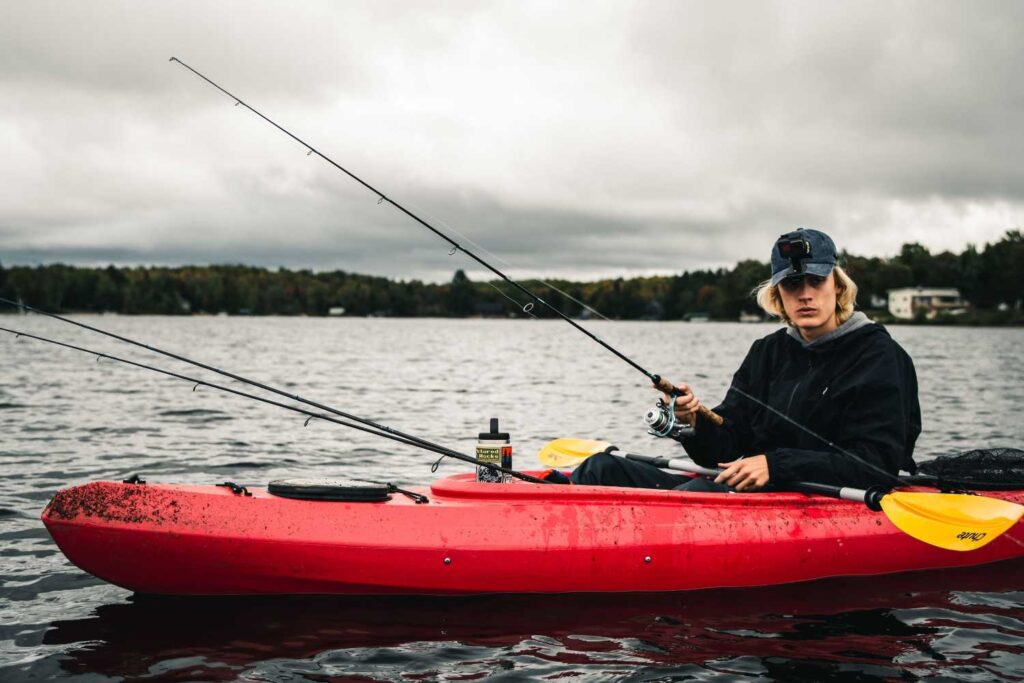
| Feature | Aluminum Shaft | Fiberglass Shaft |
| Cost | Lower | Moderate |
| Weight | Heavier | Lighter |
| Cold Weather Comfort | Can feel cold | Comfortable |
| Durability | Very strong | Very strong |
| Long-Day Comfort | Good | Excellent |
If your budget reaches around $80–100, I’d lean toward fiberglass every time.
Blade Shape Matters More Than Most People Realize
This catches beginners off guard.
They assume bigger blades create more power.
Technically, they do.
But there’s a catch.
Large blades also require more effort every single stroke.
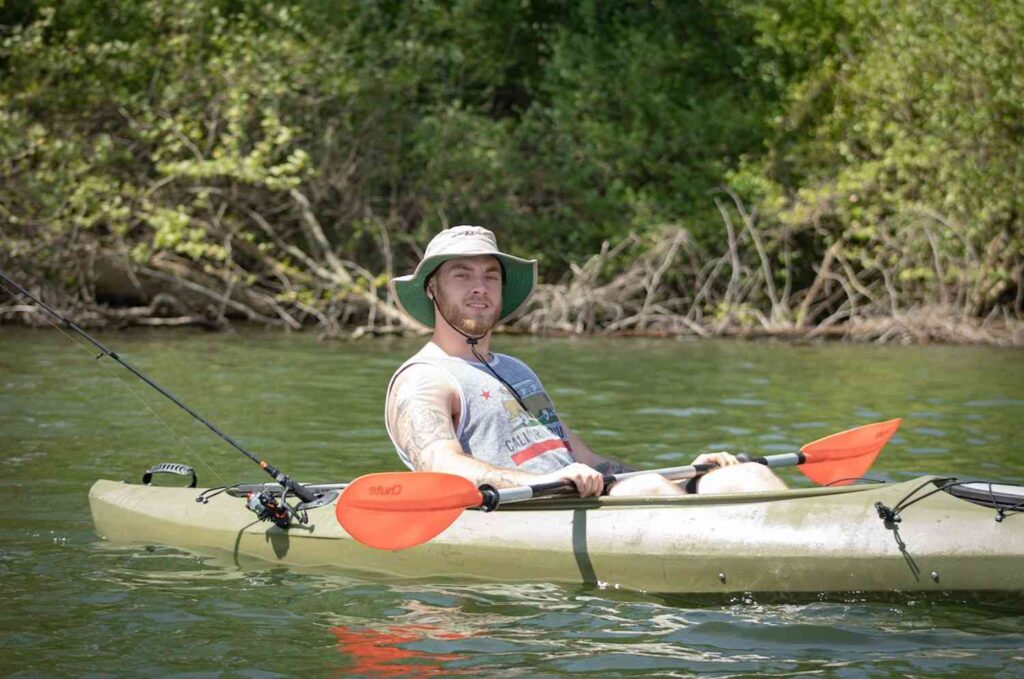
Fishing isn’t a sprint.
It’s hours of steady paddling with long breaks between casts.
For that reason, medium-sized blades usually make the most sense.
They deliver plenty of control without draining your energy.
Adjustable Feather Angles Are Worth Having
Many quality paddles under $100 now include adjustable feathering.
If you’ve never heard the term before, don’t worry.
Feathering simply means one blade sits at a slight angle compared to the other.
Why bother?
Because wind catches flat paddle blades surprisingly easily.
On breezy lakes or open bays, adjusting the blade angle can reduce wind resistance and make paddling feel smoother.
The nice part?
If you don’t like it, rotate the paddle back to a straight position.
You’re not locked into one setup.
Features I’d Pay For First
Budget shopping means making choices.
I’d spend money in this order.
- Correct paddle length
- Comfortable weight
- Adjustable ferrule system
- Durable blade construction
- Comfortable grip
- Attractive color
Notice what’s last.
Looks don’t catch fish.
Comfort keeps you on the water longer.
Features You Can Skip
Some accessories sound impressive but rarely matter for casual anglers.
Examples include:
- Decorative carbon-look finishes
- Bright graphics
- Fancy carrying bags
- Premium branding alone
- Racing blade designs
Those upgrades often increase price more than performance.
Spend your money where you’ll actually feel the difference.
A Lesson From a Windy Afternoon
A client once showed up carrying a brand-new bargain paddle he’d found on clearance.
He couldn’t understand why paddling felt exhausting.
The kayak wasn’t overloaded.
His technique wasn’t terrible.
The paddle was simply too short.

Every stroke forced him to lean farther than necessary, sending water into his lap while wasting energy.
We swapped paddles for one that was just 20 centimeters longer.
Nothing else changed.
Within five minutes he looked back and laughed.
“I thought I was just out of shape.”
No.
He had the wrong tool.
That’s a lesson worth remembering every time you shop for paddle gear. Taking the time to choose the right kayak accessories ensures every piece of equipment works together, making your time on the water more comfortable, efficient, and enjoyable.
Matching the Paddle to Your Fishing Style
One paddle doesn’t suit every angler.
Someone drifting small creeks has different needs than someone crossing a windy reservoir before sunrise.
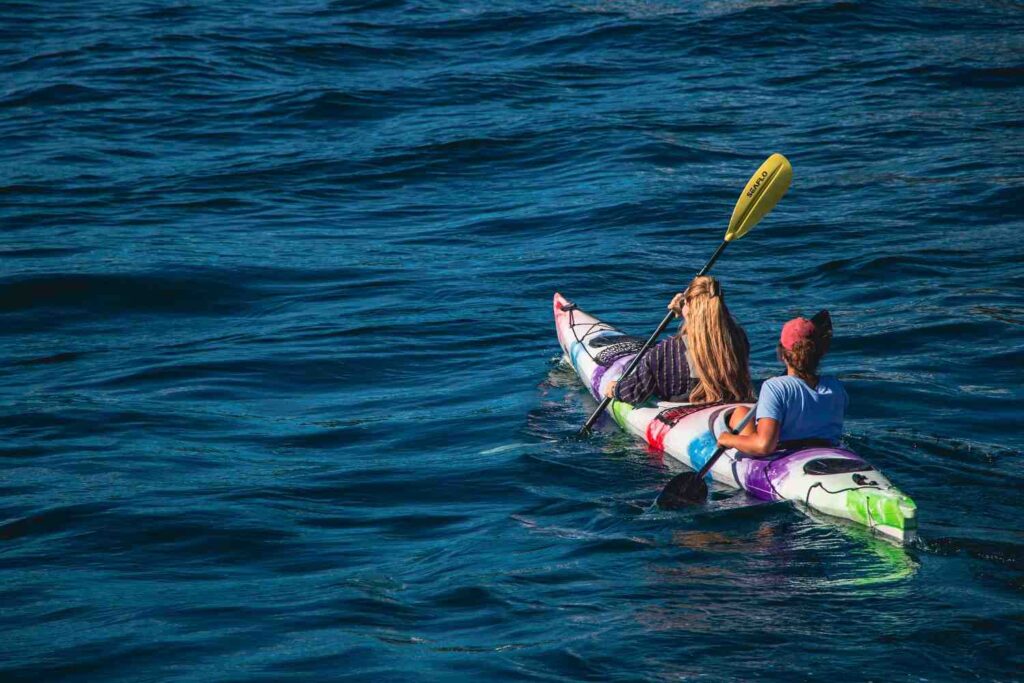
Here’s a simple comparison.
| Fishing Style | Best Paddle Choice |
| Small rivers and creeks | 230–240 cm, lightweight aluminum or fiberglass |
| Large lakes | 240–250 cm fiberglass |
| Coastal bays | 250 cm with adjustable feather angle |
| Weekend recreational fishing | Durable aluminum shaft with reinforced blades |
| Frequent all-day trips | Lightweight fiberglass shaft under 34 oz |
Match the paddle to where you fish most often, not the one or two trips you take each year.
Don’t Forget the Kayak Width
Here’s something many online buying guides skip.
Two people can be exactly the same height and still need different paddle lengths.
Why?
Because kayak width changes everything.
A narrow touring kayak lets your paddle enter the water close to your body.
A wide fishing kayak pushes that stroke farther away.
That’s why anglers often need a longer paddle than recreational paddlers of the same height.
Always check your kayak’s width before ordering.
Simple Maintenance That Adds Years to Your Paddle
A budget paddle can last for many seasons if you take care of it.
I’ve seen inexpensive paddles survive nearly a decade because their owners spent five minutes cleaning them after each trip.
The routine is simple.
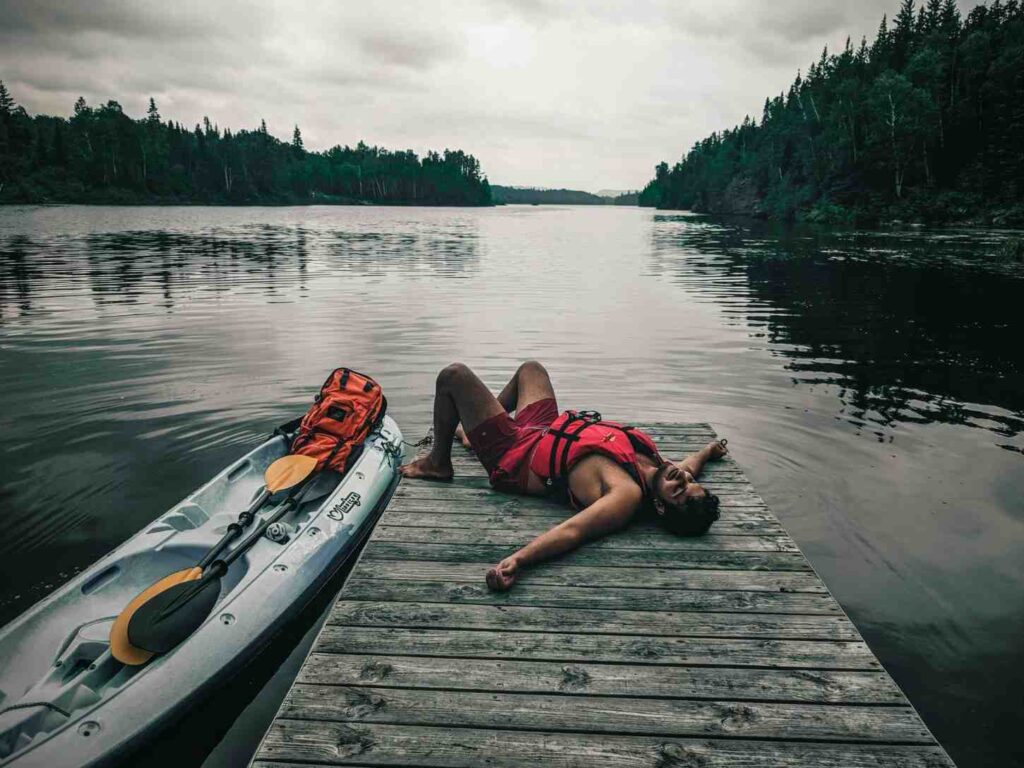
- Rinse the paddle with fresh water after every outing.
- Wash off sand, mud, and salt before storing it.
- Separate the two pieces occasionally and clean the ferrule connection.
- Let everything dry completely before putting it away.
- Check for loose locking buttons or worn drip rings every few trips.
Saltwater doesn’t ruin paddles overnight. Leaving salt on them for weeks does.
Transporting Your Paddle Without Damaging It
People worry about scratching their kayak.
The paddle usually gets ignored.
I’ve watched paddles bounce around in truck beds, get slammed in tailgates, or spend months baking in direct sunlight.
Eventually something cracks.
During transport:
- Store the paddle inside the vehicle whenever possible.
- If it rides on the roof, secure it so it can’t vibrate at highway speed.
- Don’t stack heavy coolers or tackle boxes on top of it.
- Keep it out of direct sunlight when storing it for long periods.
Small habits prevent expensive replacements.The same mindset applies when choosing the best kayak cart for heavy kayaks, because using the right cart reduces unnecessary strain on both your kayak and your body over the long term.
Common Buying Mistakes I See Every Season
Some mistakes show up year after year.
Avoid these and you’ll already be ahead of many first-time buyers.
| Mistake | Better Choice |
| Buying the cheapest paddle available | Buy the best paddle your budget allows under $100 |
| Ignoring paddle length | Match the length to your kayak width and height |
| Choosing the heaviest model | Look for a lighter option if possible |
| Picking style over comfort | Prioritize weight, grip, and balance |
| Never checking adjustment system | Choose a reliable two-piece adjustable paddle |
What I’d Recommend to Different Anglers
If someone asked me for quick advice at the boat ramp, this is exactly what I’d say.
For complete beginners
Choose a 240 cm aluminum or fiberglass paddle with adjustable feathering. It’s forgiving, durable, and easy to learn with.
For anglers fishing every weekend
Spend closer to the $100 limit and get a lightweight fiberglass model. Your shoulders will thank you after a full season.
For large fishing kayaks
A 250 cm paddle usually provides better reach and cleaner strokes.
For smaller recreational kayaks
A 230–240 cm paddle often feels more natural.
Safety Matters More Than the Paddle
I’ve seen people obsess over paddle weight while forgetting basic safety gear.
That’s backwards.
Before launching, make sure you have:
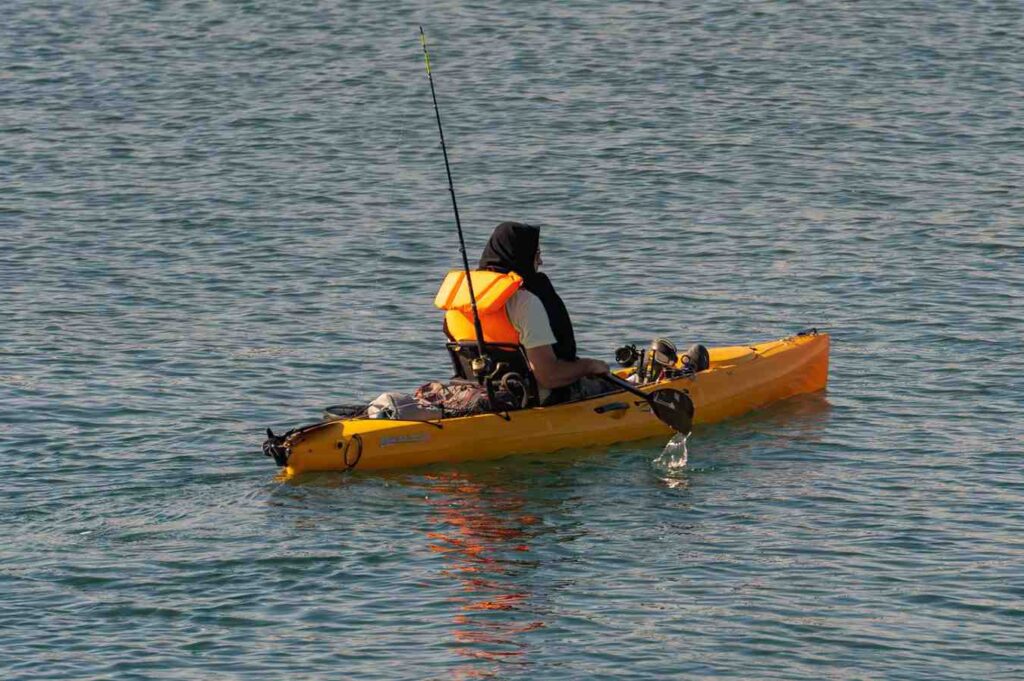
- A properly fitted life jacket worn at all times.
- A whistle or other sound-signaling device where required.
- Drinking water, especially during summer trips.
- A weather check before leaving home.
- A spare paddle on long or remote trips if possible.
The best paddle in the world won’t help if poor planning puts you in trouble.That’s why investing in the best kayak life jacket for women or any properly fitted PFD is just as important as choosing the right paddle, because safety should always come before performance.
Frequently Asked Questions
1. What is the best kayak paddle length for a fishing kayak?
Most fishing kayaks perform best with a 240–250 cm paddle because they’re wider than recreational or touring kayaks. Always consider both your height and your kayak’s width before choosing.
2. Is a fiberglass paddle worth the extra money?
Yes. A fiberglass shaft is lighter than aluminum, which reduces fatigue during long fishing trips. If your budget is close to $100, it’s usually the better investment.
3. Can I use a regular recreational paddle for fishing?
You can, but it may not be ideal. Recreational paddles are often shorter and designed for narrower kayaks, making them less comfortable on wide fishing platforms.
4. How heavy should a fishing paddle be?
A paddle weighing under 35 ounces offers a good balance between durability and comfort. Lighter models reduce strain during long days on the water.
5. Does paddle length depend on my height?
Partly. Your height matters, but kayak width is just as important. A taller paddler in a narrow kayak may use the same paddle length as a shorter paddler in a very wide fishing kayak.
6. Are two-piece paddles strong enough?
Yes. Most quality two-piece paddles are very durable and much easier to transport and store. Just keep the locking mechanism clean and check it occasionally.
7. Do expensive paddles make you paddle faster?
Not necessarily. Proper technique and correct paddle size have a much bigger impact than price alone.
8. How long should a kayak paddle last?
With regular cleaning and proper storage, a good paddle can last many years. Freshwater paddlers often get even longer life with minimal maintenance.
9. Should I carry a spare paddle?
For short trips close to shore, it’s optional. For long lake crossings, coastal fishing, or remote rivers, carrying a spare paddle is a smart safety habit.
10. What’s the biggest mistake first-time buyers make?
Buying a paddle based only on price. Choosing the correct length, comfortable weight, and durable construction will improve every trip far more than saving a few extra dollars.
Final Verdict
People often ask which paddle I’d buy if I had exactly $100.
Honestly?
I’d stop looking at brand names first.
I’d check the paddle length.
Then the weight.
Then the shaft material.
Only after those three matched my kayak would I care about the logo printed on the blade.

I’ve fished beside anglers carrying premium paddles that weren’t sized correctly. It’s a reminder that even the best freshwater kayak fishing tips start with efficient paddling, because wasting energy on every stroke leaves you with less focus for finding and catching fish. They worked harder than necessary all day.
I’ve also watched people using modest fiberglass paddles under $100 paddle comfortably from sunrise until the last cast because they chose the right size and balance.
That’s the lesson.
The best kayak paddle under $100 isn’t the one with the biggest marketing budget. It’s the one that fits your kayak, your body, and the way you fish. Get those three right, and you’ll enjoy every trip far more than someone who simply bought the most expensive paddle they could afford.