
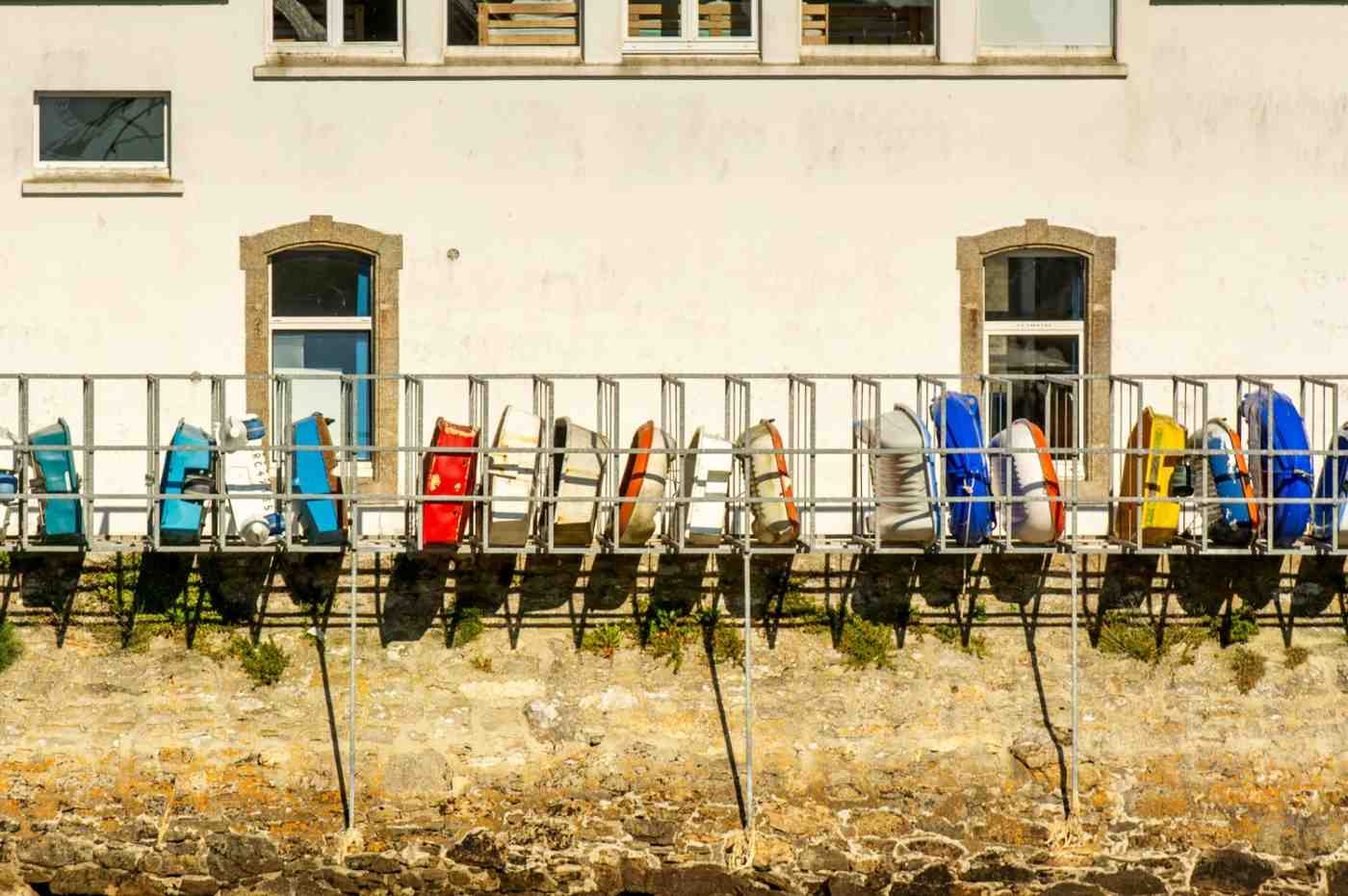
You know what usually happens? Someone buys a kayak, uses it a few weekends… then just leaves it leaning against a wall, half in the sun, half on the ground.
And months later—boom. Bent hull. Warped shape. Faded plastic. Or worse, cracks that show up right when the season starts again.
I’ve seen this more times than I can count. Same story, different garage.
Let’s fix it properly so you don’t end up there.
The #1 Thing People Get Wrong
They store the kayak on its hull for long periods.
That’s it. That’s the silent killer.
A kayak is not designed to carry its own weight on a flat surface for months. The pressure slowly deforms it. You don’t notice it happening… until it suddenly doesn’t track straight in the water anymore.
Think of it like leaving a soft plastic bottle full of water under a heavy box. It’ll “remember” that shape.

First Decision: Indoors or Outdoors?
This is where everything starts.
| Storage Type | What Happens Over Time | Risk Level |
| Indoors (garage, room, shed) | Stable, minimal damage | Low |
| Outdoors (yard, balcony) | UV + heat + dust damage | High |
“If you can store it indoors, do it—especially if you regularly transport a kayak. No debate.“
If you must keep it outside, you’re already playing defense. You’ll need extra protection later.
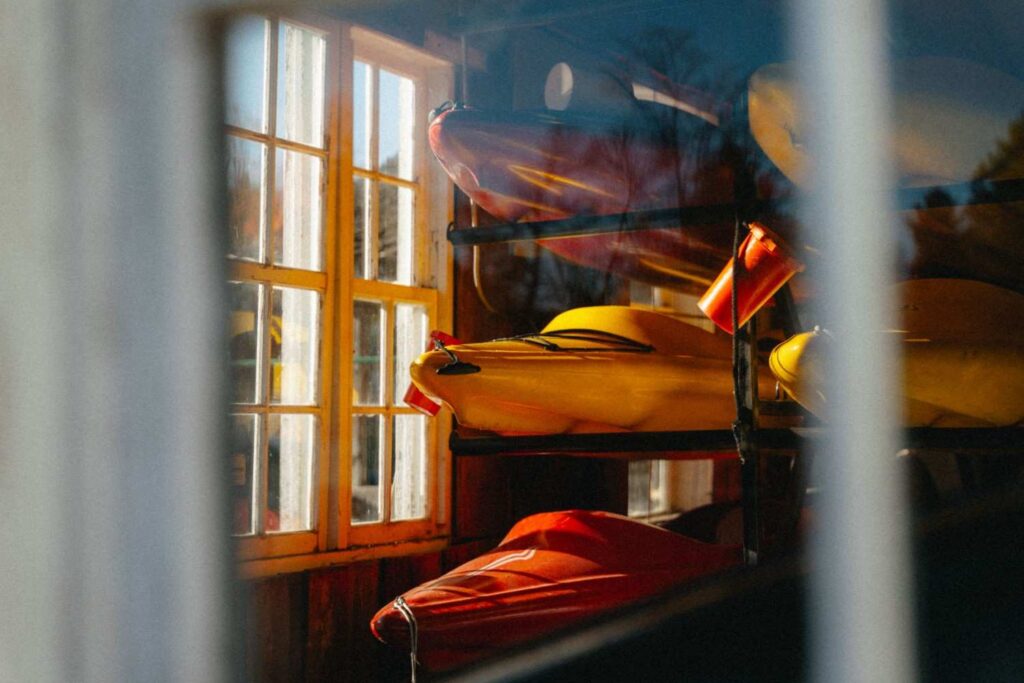
The Correct Way to Position Your Kayak
This is where most people finally fix their mistake.
You’ve got three safe options:
On its side (best all-round method)
Support it evenly on padded points.
- Lean it gently against a wall
- Use foam pads, old towels, or dedicated kayak cradles
- Don’t let one sharp edge take all the weight
This spreads pressure and keeps the hull shape intact.
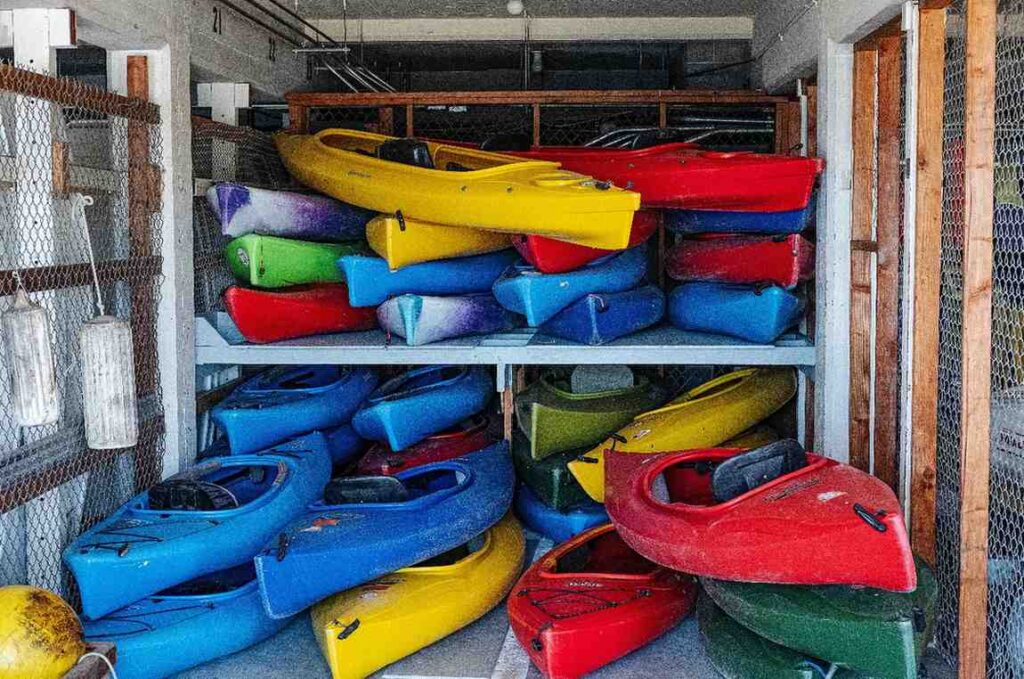
On a suspension system (best long-term)
Hang it using straps—not hooks.
- Wide straps under the hull
- Ceiling joists or wall mounts
- Balance is everything
If you use rope or thin straps, you’ll create pressure dents. Seen it happen. Always.
Upside down (good for short-term storage)
Rest it cockpit-down on padded supports.
- Two foam blocks under the edges
- Nothing pressing into the cockpit rim
This is great if you’re rotating gear or storing it for a few weeks.
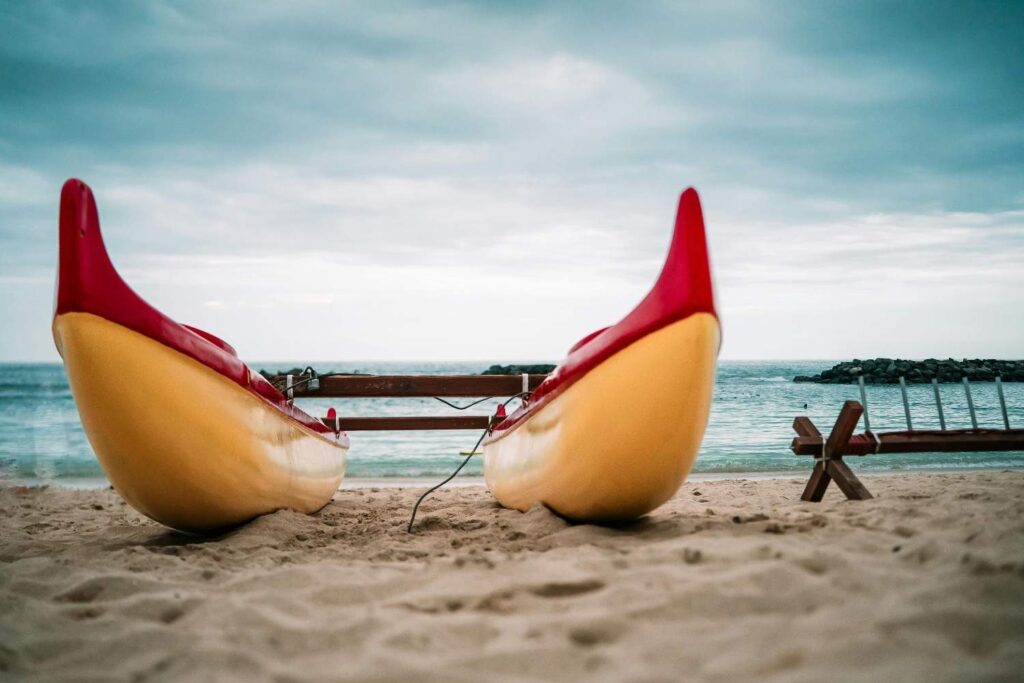
What NOT to Do (This Saves Most Kayaks)
Let’s make this simple.
- Don’t leave it flat on concrete
- Don’t rest it on sharp edges (pipes, rails, bricks)
- Don’t hang it from grab handles
- Don’t leave an inflatable kayak in direct sunlight long-term
That last one? People ignore it constantly. UV doesn’t just fade color—it weakens the plastic structure over time.
The Clean Before Storage (People Skip This and Regret It)
You’d be surprised how many “storage problems” are actually “dirty kayak problems.”
Rinse it properly:
- Fresh water rinse after every saltwater use
- Remove sand from cockpit edges using the right kayak accessories
- Dry it completely before storing
Moisture trapped inside = mold + smell + slow material damage.
And yeah… I’ve opened stored kayaks that smelled like a swamp. Not fun.
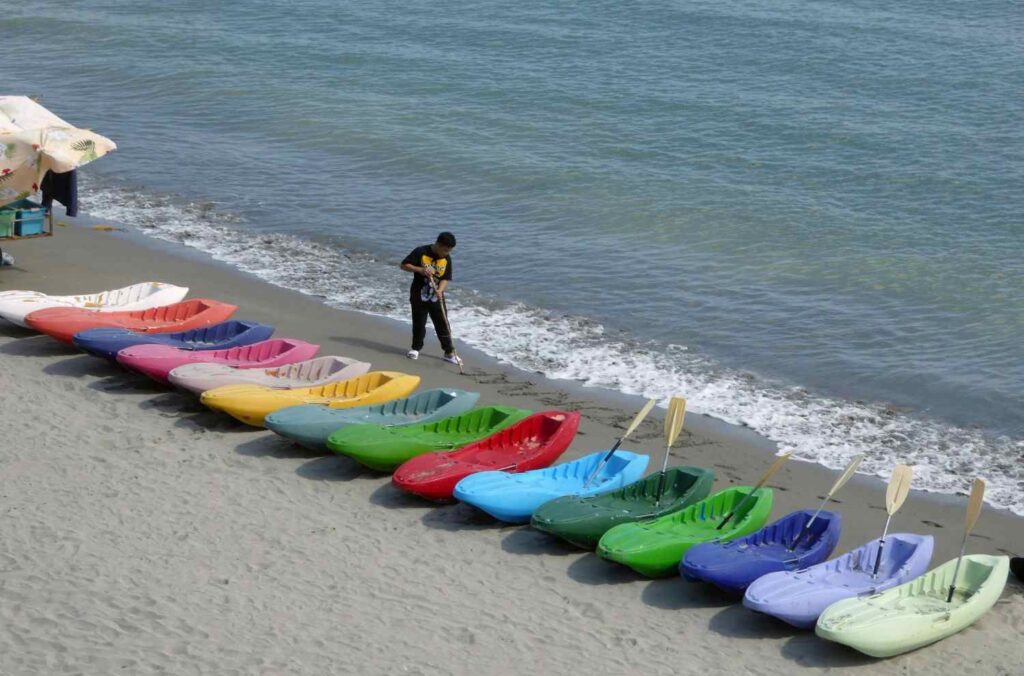
Outdoor Storage Reality (If You Have No Choice)
Alright. Sometimes you don’t have a garage. Happens.
Then you protect it like this:
- UV-resistant tarp (not a thin plastic sheet)
- Slight elevation off the ground
- Ventilation gaps so moisture doesn’t trap inside
- Straps instead of direct contact with rope or metal
Here’s the part people miss:
Covering it tightly with no airflow is worse than light exposure.
You’re basically building a humid oven.

The Weird Edge Case Nobody Talks About
Ever seen a kayak stored near a window for months?
Sunlight hits only one side.
That side ages faster. Gets brittle first. Slight warping starts.
Then people think “bad quality kayak.”
Nope. It’s just uneven exposure.
Rotate it every few weeks if light is uneven. Simple fix.
How to Know If Yours Is Already Damaged
Quick checks:
- Does it rock when placed on a flat surface?
- Do you see “flat spots” on the hull?
- Does it pull slightly to one side in water?
If yes, it’s likely storage deformation—not usage damage.
Small warps can sometimes settle back if you correct storage early. Long-term bends? Usually permanent.
The Simple Setup That Just Works
If you want the safest no-thinking setup:
- Indoors storage
- Foam padding at two contact points
- Slight side angle (not flat)
- Clean + dry before storage
- Covered loosely to block dust
That’s it. No fancy racks needed.
FAQ
Can I store a kayak standing upright?
Yes, but only for short periods. Long-term vertical storage can stress the cockpit rim.
Is it okay to leave a kayak outside in winter?
Only if it’s covered properly and not sitting directly on the ground. Freeze-thaw cycles are harsh on plastic.
How often should I rotate stored kayaks?
Every 3–4 weeks if they’re exposed to uneven pressure or partial sunlight.
Do kayak covers really help?
Yes—but only if they allow airflow. Fully sealed covers trap moisture and cause more harm than good.
What’s the safest storage position overall?
Suspended with wide straps in a cool indoor space. That’s the gold standard.
Final Reality Check
A kayak doesn’t “go bad” on its own. Storage is what usually breaks it.
Get the position right, keep it dry, keep pressure even—that’s basically 90% of the job before getting into your kayak.
Do it once properly and you won’t think about it again next season.