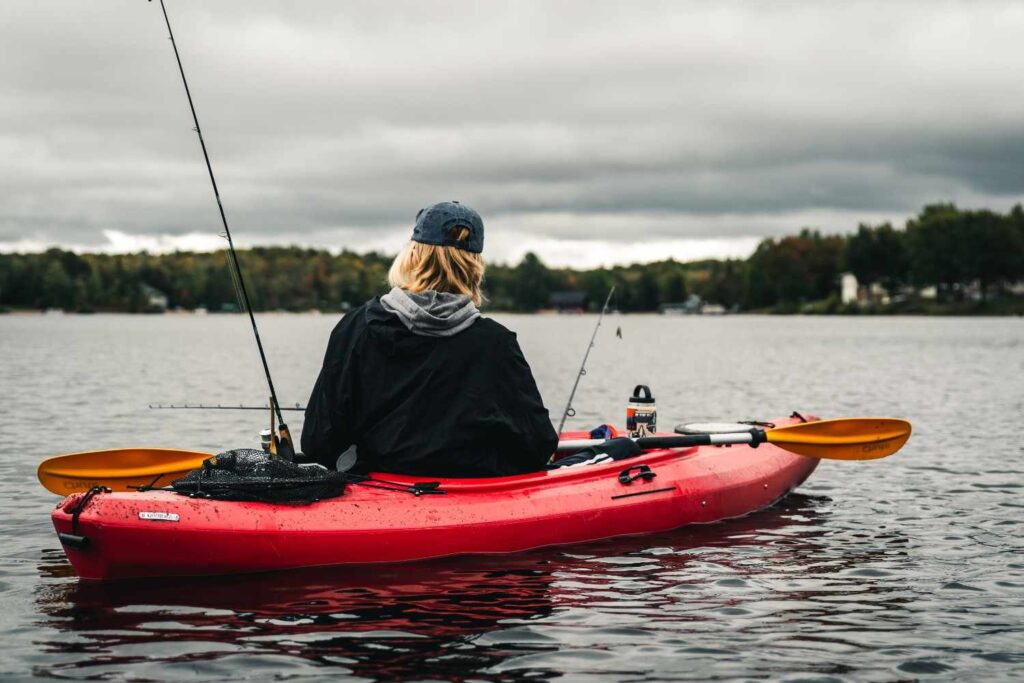
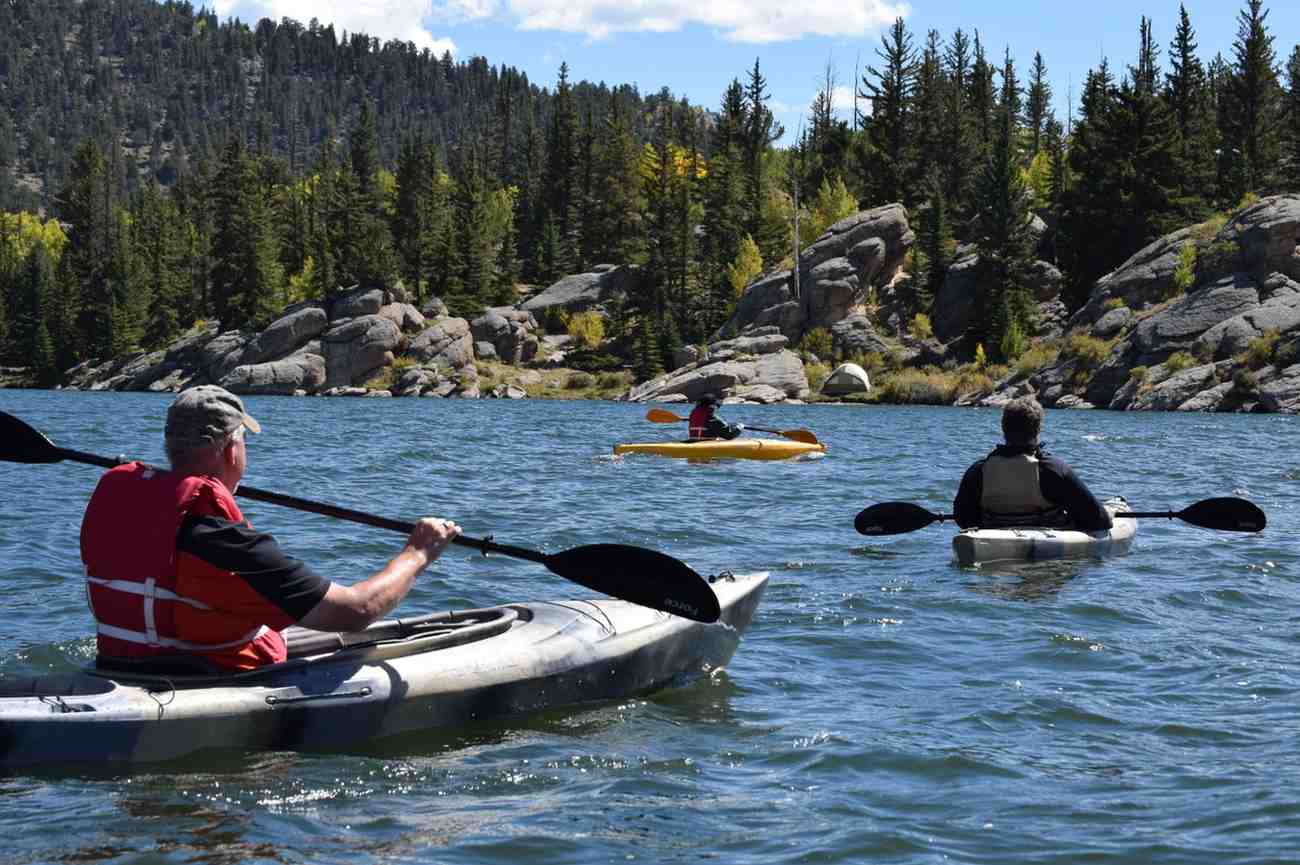
Yeah, I know the feeling.
You search “best fishing kayak” and everything starts sounding the same. Same models. Same specs. Same copied advice.
Then you actually get on the water… and reality feels completely different.
Because the “best kayak” isn’t one perfect model. It’s a match between your body, water type, and how you actually fish for hours — not minutes.
Let’s break it down like someone who’s been fixing, adjusting, and testing these setups for years.
Why Most People Pick the Wrong Kayak First Time
Here’s the honest mistake.
People decide based on:
- looks
- brand hype
- YouTube reviews
- price tag
But water doesn’t care about any of that.
What actually decides comfort is:
stability, tracking, and long-session fatigue control
And this is where kayaks either feel amazing… or start fighting you.
The Real Categories of Fishing Kayaks (Forget Marketing Labels)
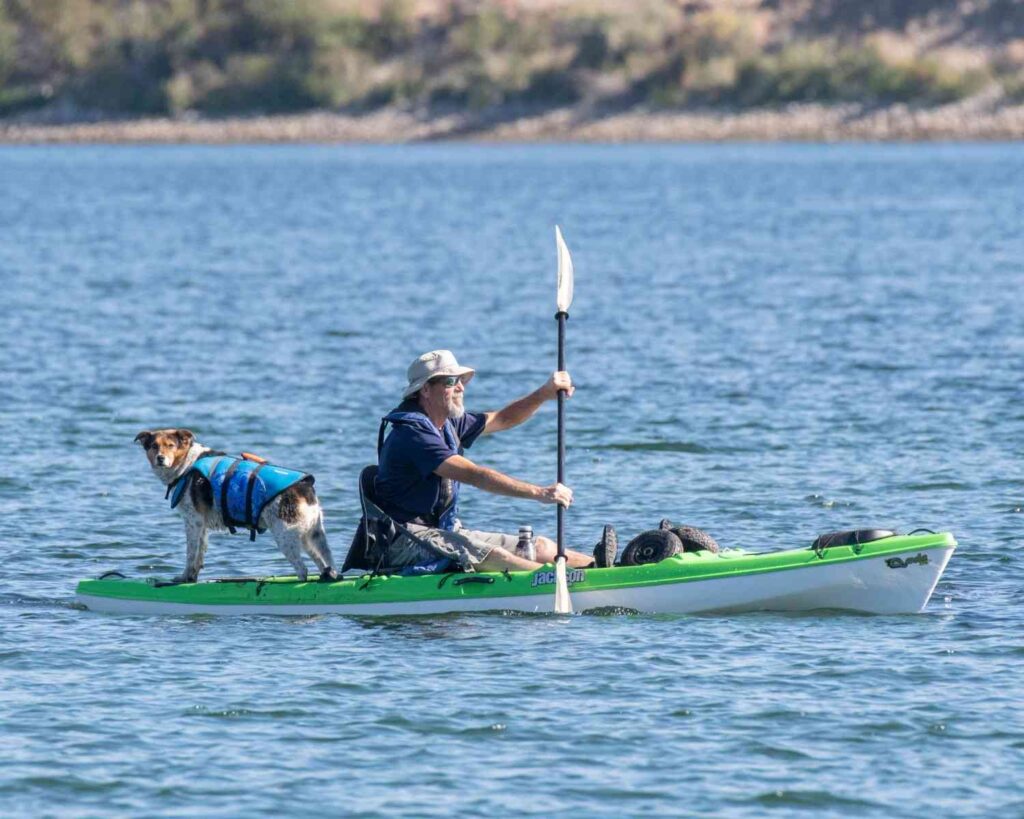
Sit-On-Top Fishing Kayaks
Most common choice for a reason.
- easy entry and exit
- stable fishing posture
- self-draining scupper holes
- works in lakes, rivers, coastal water
But here’s what people underestimate:
wind pushes these harder than expected
Small mistake in positioning becomes big drift over time.

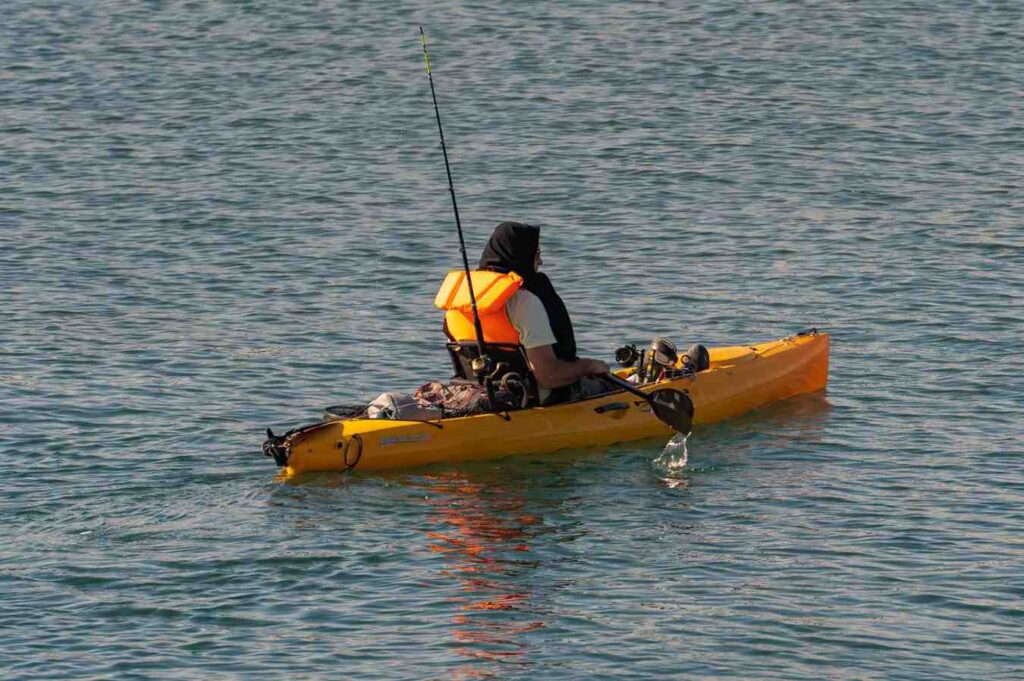
Pedal Drive Fishing Kayaks
Now you’re hands-free.
Systems you’ll see:
- Hobie MirageDrive (fin system)
- Old Town PDL (prop system)
- Perception pedal setups (entry-level systems)
What changes instantly:
- no paddle fatigue
- better positioning near structure
- easier control in wind
But also:
your seat setup and balance suddenly become critical, especially if you’re using a fishing kayak with pedal drive, where higher seating positions and added gear weight can completely change how stable the kayak feels on the water.
Small imbalance = big steering frustration.
Motor-Ready Fishing Kayaks
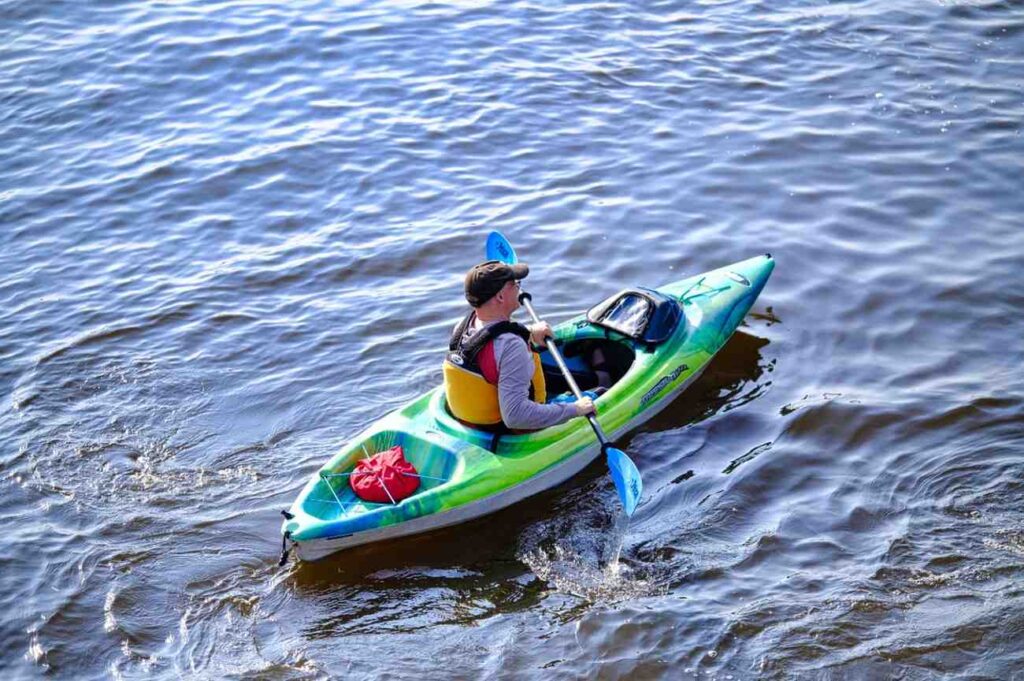
Now you’ve added power.
Good for:
- long distance travel
- trolling setups
- windy water conditions
But here’s the truth nobody tells beginners:
motor doesn’t fix a bad kayak choice — it exposes it faster, especially when you’re using a fishing kayak with trolling motor, where poor stability, weak tracking, or bad weight distribution becomes obvious the moment you start moving across open water.
If hull balance is wrong, motor just speeds up the problem.
The #1 Thing Nobody Explains Properly: Stability Types
This is where most confusion starts.
Primary Stability (Still Water Feel)
How stable it feels when you sit still at the dock.
Wide hull = feels solid here.
This is the “first impression” stability.
Secondary Stability (Real Water Behavior)
This is what actually matters when:
- wind hits
- you lean to cast
- you turn under movement
- fish pulls weight to one side
Here’s the line people remember:
A kayak can feel stable at dock… and still perform poorly on water.
That’s the mistake.
Real Kayak Models People Actually Use
Hobie Mirage Pro Angler Series
- extremely stable platform
- premium fin pedal system
- built for standing + heavy gear
- expensive but very refined
Best for:
serious anglers who fish long hours in varied conditions
Old Town Sportsman PDL Series
- prop pedal drive system
- strong wind tracking
- feels like a compact fishing boat
- heavier but very controlled
Best for:
lakes, rivers, and windy open water
Perception Outlaw / Crank Series
- budget-friendly pedal entry
- wide stable base
- simple setup
- less refined but effective
Best for:
beginners stepping into pedal fishing
Basic Sit-On-Top Kayaks
- cheapest entry point
- paddle-based
- lightweight but limited features
Best for:
short trips and calm water fishing
Price Reality (What Nobody Mentions Honestly)
A fishing kayak is never just the kayak.
Real-world range:
- Basic paddle kayak: $300 – $900
- Mid fishing kayak: $900 – $2,000
- Pedal systems: $2,000 – $4,000+
- Premium setups: $4,000 – $6,000+
But here’s the hidden part:
Extra gear adds up fast:
- seat upgrade
- rod holders
- anchor system
- cart for transport
- battery (for motor setups)
Real cost often ends up 15–25% higher than expected, especially if you start shopping for a best fishing kayak under $500 and later realize you still need upgrades like a better seat, paddle, rod holders, anchor system, or safety gear.
The Hidden Problem: Comfort Over Time
First 30 minutes? Almost everything feels fine.
Hour 3 is where truth shows up.
What starts happening:
- lower back pressure
- seat heat buildup
- leg fatigue (especially pedal systems)
- posture shifting without noticing
This is where better kayaks separate themselves.
Not speed.
Not brand.
long-session comfort decides everything. That matters even more if you’re looking for the best fishing kayak for big guys, where seat support, weight capacity, legroom, and overall stability can make or break an entire day on the water.
Summer Reality (Most People Ignore This)
Heat doesn’t just affect you — it changes how you fish.
What happens:
- fatigue builds faster
- hydration drops quietly
- decision-making slows
- seat discomfort becomes constant
Simple fixes:
- fish early morning or late evening
- use breathable seat padding
- take short glide breaks
- avoid continuous high-effort pedaling
Comfort = control. Always.
Fin vs Prop Drive (Deep Real Comparison)
| Factor | Fin Drive (Hobie style) | Prop Drive (Old Town style) |
| Water feel | smooth glide | direct push |
| Wind control | moderate drift resistance | strong tracking control |
| Fishing stealth | high | medium |
| Speed response | gradual | instant |
| Maneuvering | soft turns | fast response |
| Fatigue | lower | slightly higher |
| Maintenance | low | moderate |
| Learning curve | easier | more technical |
Simple version:
- Fin = smooth flow fishing
- Prop = direct control power
Stability Reality (The Line That Matters Most)
Listen carefully.
Primary stability is what tricks beginners. Secondary stability is what saves your fishing day.
Because:
- dock feels = fake confidence
- water movement = real performance
And here’s the truth:
A kayak that feels stable at dock can still become unstable in real fishing conditions.
That’s where people get surprised.
Real Water Story (What Actually Changes Everything)
I still remember this one.
Guy came in with a pedal + motor hybrid setup. Looked solid on paper.
First 10 minutes on water:
“Why am I constantly correcting this thing?”
Problem wasn’t power.
It was:
- uneven pedal rhythm
- slight motor misalignment
- over-correction instinct
We fixed one thing first:
stop reacting instantly — let the kayak settle
Next run… different story.
He said:
“Now it feels like it’s following me… not fighting me.”
That’s the moment everything clicks.
3-Beat Control Method (Pedal + Motor Reality Technique)
Most people over-control kayaks.
This fixes that.
Beat 1 — Set Direction
Small controlled input. Not full force.
Goal: line the kayak, don’t rush it
Beat 2 — Let It Glide
Stop touching controls for 2–3 seconds.
Let the hull settle into its natural track.
This is where most people mess up.
Beat 3 — One Clean Correction
One adjustment only.
Then pause again.
If you correct more than twice in 5 seconds, you’re over-steering.
Simple. Very effective.
Success vs Failure (Real Setup Difference)
Team A — Wrong Setup
- uneven balance
- early full throttle use
- constant steering corrections
Result:
- drift under load
- fatigue quickly
- short fishing time
“It feels harder than paddling.”
Team B — Correct Setup
- balanced weight distribution
- low throttle control
- calm correction habits
Result:
- smooth tracking
- predictable movement
- longer sessions
“I don’t think about control anymore.”
Common Beginner Mistakes
- choosing speed instead of stability
- ignoring seat comfort
- wrong battery placement (motor setups)
- over-steering constantly
- treating kayak like a small boat
- starting full throttle too early
Battery placement matters more than most beginners realize, especially in a kayak trolling motor setup, where even small weight shifts can affect tracking, balance, and overall control on the water.
Biggest one:
thinking motor removes the need for balance awareness
It doesn’t. It increases it.
Quick Decision Guide
If you want:
Stability + standing fishing
→ Hobie Pro Angler style
Balanced control + power
→ Old Town PDL series
Budget pedal entry
→ Perception pedal kayaks
Cheapest start
→ basic sit-on-top kayak
FAQ
Is a fishing kayak with motor worth it?
Yes — if your setup balance is correct. Otherwise it just makes mistakes faster.That becomes even more obvious when choosing the best fishing kayak with motor, because speed and added weight tend to expose poor stability or bad setup much quicker on the water.
What size kayak is best?
12–13.5 ft range works for most fishing conditions.
Fin or prop system?
Fin = smooth glide
Prop = stronger directional control
Biggest beginner mistake?
Over-controlling and ignoring weight balance.
Final Thought
There is no single “best kayak for fishing.”
But there is a pattern in every good setup:
- stable without effort
- predictable in wind
- comfortable after hours
- easy to correct without fighting it
If you feel like you’re fighting the kayak…
It’s not your skill.
It’s the mismatch.
Fix that, and everything else becomes simple.