A cheap inflatable kayak can either open the door to a lifelong hobby… or kill the experience before it even starts.
I’ve seen both outcomes.
Same lake. Same weather. Different kayaks.
One person comes back smiling, already planning the next trip. The other one is frustrated, back sore, saying kayaking “isn’t really for them.”
Funny thing?
It’s almost never the person.
It’s the kayak.
Under $300, the gap between a good experience and a bad one is massive. Not because you need expensive gear, but because this price range sits right between “toy-like inflatables” and “proper entry-level kayaks.”
Choose wrong, and everything feels like hard work.
Choose right, and it feels effortless.
Let’s make this simple.
The Quick Answer (No Overthinking)
| Kayak | Best For | Capacity | What It Really Excels At | Price Range |
| Intex Excursion Pro K1 | Solo paddlers | 220 lbs | Best all-round performance | $220–$300 |
| Intex Excursion Pro K2 | Two people / gear | 400 lbs | Space + stability | $250–$300 |
| Sevylor QuikPak K1 | Portability | 400 lbs | Easy transport | $180–$250 |
If you want one clear answer:
The Intex Excursion Pro K1 is the safest buy under $300.
Not perfect. Just consistently good.
That matters more than anything else here.
The Mistake That Quietly Ruins Most First-Time Buyers
People obsess over the wrong things.
Length. Color. Storage straps. Cup holders.
None of that matters if the kayak flexes like a balloon on water.
A kayak lives and dies on structure:
- Floor rigidity
- Seam strength
- PVC thickness
- Tracking design
- Air chamber stability
If those are weak, everything else falls apart.
You won’t notice it in your room.
You’ll notice it halfway across the lake when every paddle stroke sends you slightly off course—especially if the kayak wasn’t transported properly, which is why learning how to transport a kayak the right way really matters.
That’s the moment most beginners blame themselves.
It’s not you.
It’s the build.
What An Extra $50–$100 Actually Buys You
People often sit at this exact decision:
“Should I go for the $150 one or stretch to $300?”
Here’s the honest breakdown.
| Budget | What You Get | Real-World Feeling |
| ~$150 | Thin PVC, soft floor | Works… but fights you |
| ~$200 | Decent build, average tracking | Okay for casual use |
| ~$300 | Reinforced frame, better floor, stability | Feels controlled |
The jump isn’t about luxury.
It’s about reducing frustration.
A cheap kayak doesn’t fail immediately.
It slowly drains enjoyment until you stop using it.
A better kayak does the opposite.
It disappears under you and lets you focus on the water.
The Kayak I’d Personally Choose: Intex Excursion Pro K1
This is the one I keep coming back to.
Not because it’s flashy.
Because it behaves like a real kayak should.
Why It Feels Different
The floor is the key.
It’s firmer than most inflatables in this range.
That changes everything:
- Paddle energy transfers properly
- Less wobble in the middle
- Easier balance
- Better tracking
Think of it like standing on a solid wooden floor vs a soft mattress.
Same movement. Completely different control.
What It Gets Right
- Stable even for beginners
- Predictable steering
- Durable laminated PVC
- Easy inflation system
- Good water balance
What It Doesn’t Do Perfectly
- Paddle is basic
- Seat support is average for long sessions
- Not ultra-light for carrying long distances
But none of these break the experience.
Need More Space? The K2 Makes Sense
The K2 is where things change.
Extra length doesn’t just mean “more room.”
It changes how the kayak behaves.
Longer hull = better straight-line movement.
That alone makes a big difference.
Where It Works Best
- Couples
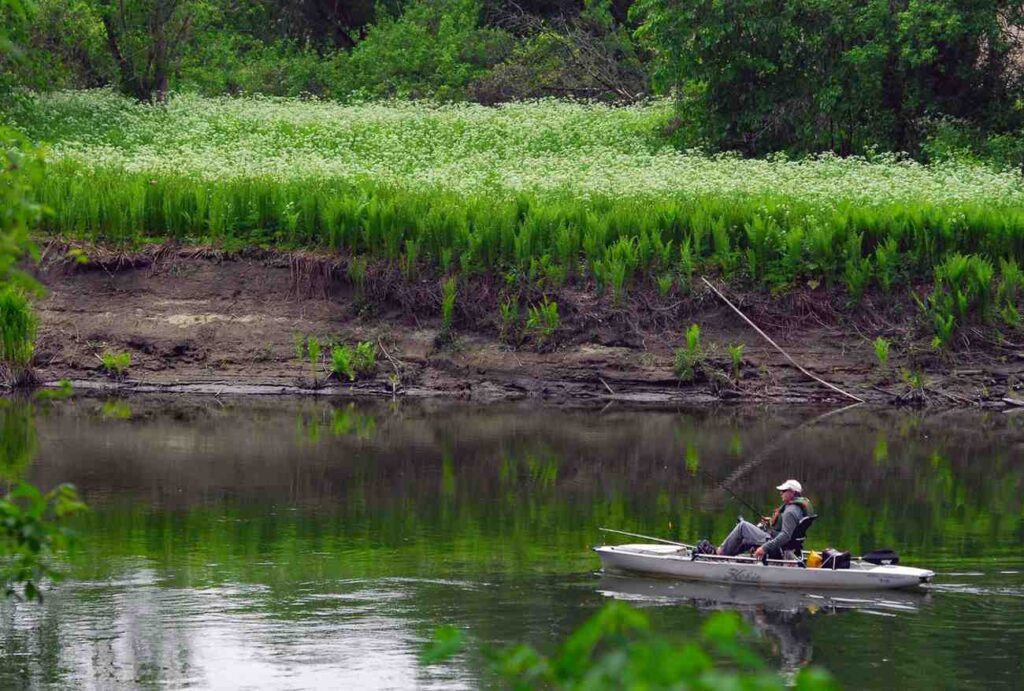
- Fishing setups
- Camping gear transport
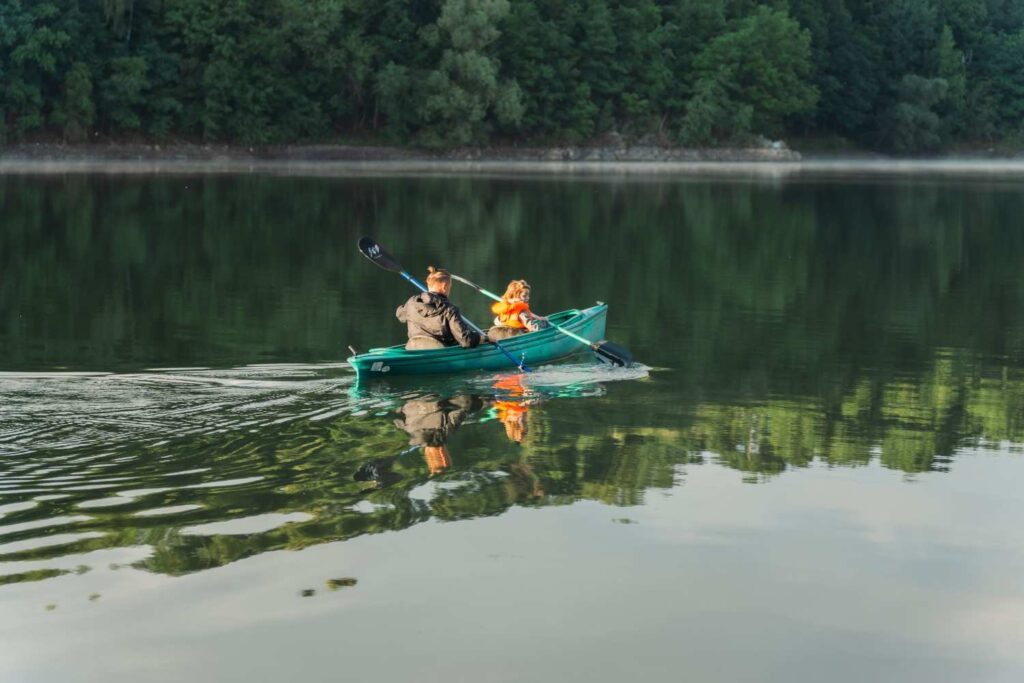
- Parent + child trips
The Real Advantage
You don’t feel cramped.
And that alone makes longer trips more enjoyable.
The Portable Option: Sevylor QuikPak K1
This one solves a different problem.
Not performance.
Transport.
It packs into a backpack-style bag.
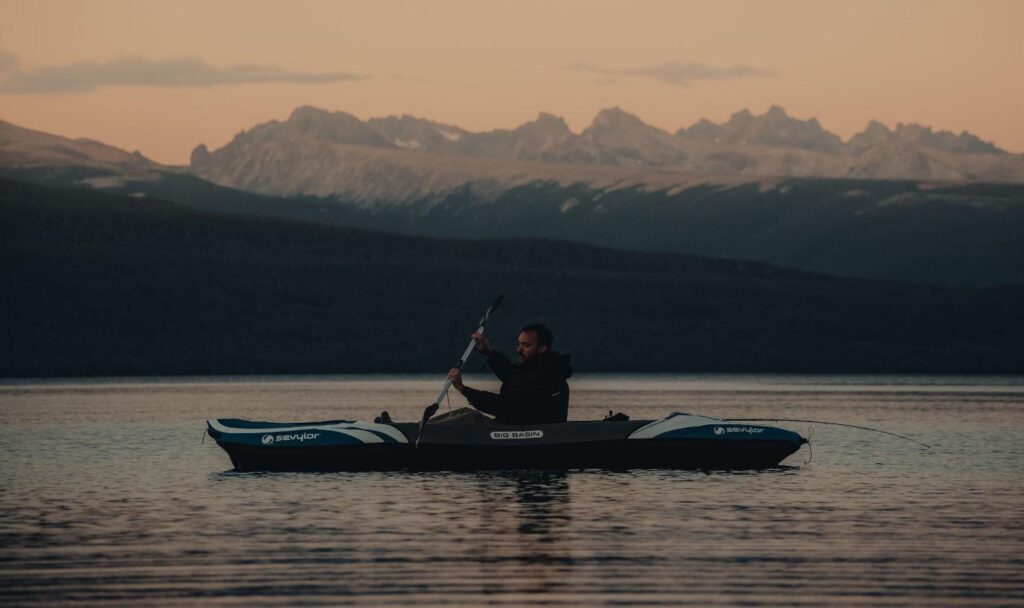
For people in apartments or small cars, this matters more than speed, especially when choosing inflatable kayaks, since they are easier to store, carry, and transport in tight spaces.
Best For
- Casual paddlers
- Travelers
- Storage-limited users
Tradeoff
Wind affects it more.
It’s lighter, which sounds good… until the wind pushes you sideways.
Wind Changes Everything (Most Reviews Skip This)
Calm water hides problems.
Wind exposes them instantly.
Here’s what actually happens:
- Light kayaks drift sideways
- You constantly correct direction
- Energy drains fast
- Distance feels harder than it should
A better kayak doesn’t “beat” wind.
It reduces how much you have to fight it.
What Actually Helps In Wind
- Use the skeg (always)
- Keep weight centered
- Inflate to correct pressure
- Paddle early morning (calmer water)
- Stay near shoreline when possible
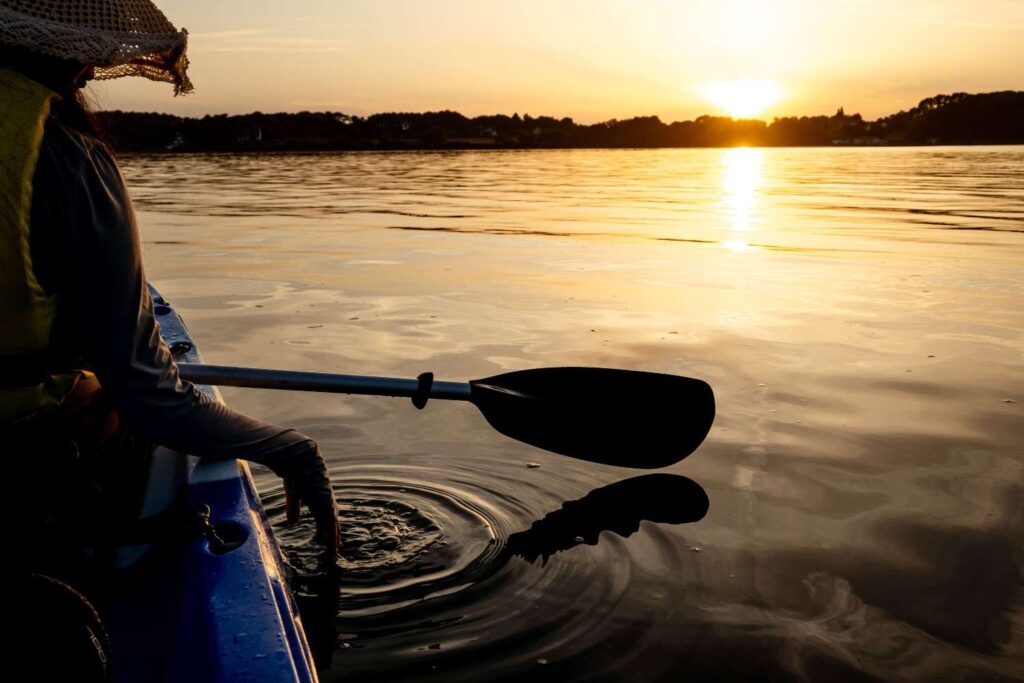
Here’s the real insight:
A good kayak doesn’t remove wind. It reduces correction work—helping you stay on course more efficiently—and understanding how to store a kayak properly is just as important to keep it in good condition over time.
That’s the difference you feel after 30 minutes.
Team A vs Team B: I’ve Seen This Pattern Too Many Times
This is where buying decisions really show their impact.
Team A (Cheaper Choice)
- Buys lowest price option
- Focuses on discounts and extras
- Excited at first
After a few uses:
- Kayak feels unstable
- Tracking gets frustrating
- Usage drops
- Eventually stored away
Team B (Slightly Higher Quality)
- Pays a bit more upfront
- Focuses on stability and structure
After a few uses:
- Paddling becomes routine
- Trips increase
- Confidence grows
- They actually keep using it
Same activity.
Different outcome.
That difference is structure quality.
Not motivation.
Common Mistakes That Ruin First-Time Experiences
Most issues start before the kayak even hits water.
- Buying only based on price
- Ignoring storage space
- Overlooking weight distribution
- Leaving kayak inflated in heat
- Skipping life jacket use
- Not checking wind conditions
This is one key factor to consider—especially when planning long-term use and comfort. Along with that, choosing the right kayak accessories can improve safety, stability, and overall performance.
That last one hurts more people than they admit.
Durability Reality Check
Inflatable doesn’t mean fragile anymore.
Modern kayaks handle:
- Rocks
- Branches
- Regular lake use
- Fishing gear pressure
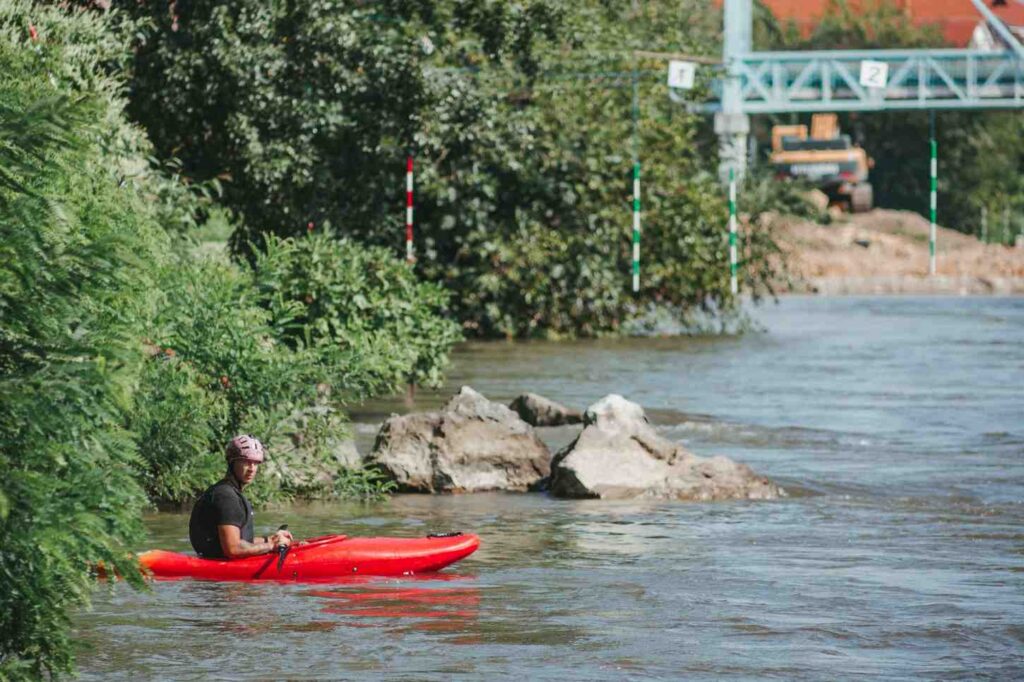
But they do fail in predictable ways:
- Seams under heat stress
- Overinflation in hot weather
- Dragging on rough ground
Treat it properly, and it lasts years.
Ignore it, and it won’t matter what brand you bought.
Frequently Asked Questions
What’s the best inflatable kayak under $300?
The Intex Excursion Pro K1.
Balanced, stable, and consistent across conditions.
Is inflatable kayaking safe?
Yes.
If you use a life jacket and respect weather conditions.
Is K1 good for beginners?
Yes.
Probably one of the easiest entry points available.
Can I fish from it?
Yes, especially the K2 because of space—storing longer tandem kayaks can be tricky in tight garages or apartments, which is why planning ahead is important, just like knowing how to pick the perfect kayak for fishing before you buy one.
How long does it last?
5–10 years with proper care.
Final Recommendation (No Confusion)
If you’re solo → K1
If you need space → K2
If you need portability → QuikPak K1
That’s it.
No overthinking needed.
Pick based on how you’ll actually use it, not how you imagine using it.
Because most kayaks don’t fail in theory.
They fail in real life use patterns.
The hardest part isn’t choosing the kayak.
It’s realizing how long you waited to start.